A roof is much more than the top layer of a house; it is the primary shield that protects your home and its occupants from the elements. Whether it is scorching sun, torrential rain, heavy snow, or high winds, a roof ensures safety, comfort, and structural integrity. Consequently, roof installation is one of the most crucial investments a homeowner can make, whether building a new house or replacing an existing roof. A properly installed roof improves energy efficiency, enhances curb appeal, reduces maintenance costs, and increases the overall value of the property.
The process of roof installation is a complex task that demands careful planning, high-quality materials, and professional expertise. A poorly executed installation can lead to water infiltration, structural damage, energy loss, and expensive repairs over time. In contrast, a correctly installed roof offers long-term reliability and peace of mind. By understanding the steps, materials, and factors involved in roof installation, homeowners can make informed decisions that ensure both functionality and aesthetic appeal.
The Importance of Professional Roof Installation
Proper roof installation is essential for multiple reasons, beyond simply making a home look attractive. Structurally, the roof protects the house from external hazards such as moisture, pests, and extreme temperatures. Even minor mistakes during installation, such as improperly aligned shingles or insufficient flashing around roof penetrations, can result in leaks and water damage that compromise the structural integrity of the building.
Energy efficiency is another critical benefit. A well-installed roof, combined with appropriate insulation and ventilation, helps maintain stable indoor temperatures, reducing dependence on heating and cooling systems. This translates to lower utility bills and a more comfortable living environment. Modern roofing materials and energy-efficient installations, such as reflective coatings and ventilated attic spaces, further enhance sustainability and long-term savings.
Safety is also a major consideration. A professionally installed roof ensures that materials are correctly fastened, and the structure is capable of withstanding environmental stresses such as heavy snow loads, wind gusts, or hailstorms. Homeowners who attempt DIY installations without adequate knowledge often risk poor durability, voided warranties, and potential hazards during severe weather conditions.
Choosing the Right Roofing Material
Selecting the right material is a critical component of a successful roof installation. The choice affects durability, energy efficiency, maintenance requirements, aesthetics, and overall cost. Common roofing materials include asphalt shingles, metal, tile, wood, slate, and synthetic composites. Each material has unique advantages and considerations.
Asphalt shingles are the most widely used roofing material due to their affordability, ease of installation, and variety of colors and textures. They offer moderate durability and are suitable for most climates, making them a practical choice for many homeowners.
Metal roofing is renowned for longevity, often lasting between 40 and 70 years. It is highly resistant to fire, wind, and insect damage and offers excellent energy efficiency by reflecting solar heat. Metal roofing comes in panels or shingles with various finishes, providing both durability and aesthetic versatility.
Tile roofs, commonly made from clay or concrete, offer exceptional durability and an elegant, distinctive appearance. They are heavy, requiring reinforced roof framing, but their lifespan can exceed a century when properly maintained.
Wood shingles and shakes provide a natural, rustic look, though they require regular maintenance to prevent rot, mold, and insect infestations. These materials are best suited for dry climates where moisture exposure is minimal.
Slate roofing is one of the most durable and long-lasting options, often exceeding 100 years in service. It is resistant to fire and extreme weather, but the cost and complexity of installation make it a premium choice.
Synthetic materials, such as composite shingles or rubber-based products, mimic natural materials like slate or wood while offering lower maintenance and reduced costs. These materials are increasingly popular for homeowners seeking a balance between aesthetics and durability.
Steps Involved in Roof Installation
A successful roof installation requires meticulous attention to each step. Skipping any phase can compromise the roof’s performance and longevity.
Inspection and preparation are the first steps in the process. The existing roof deck is examined for damage, rot, or structural weaknesses. Any compromised areas must be repaired or reinforced to provide a solid foundation for the new roof. If a replacement is being performed, old roofing materials are carefully removed, and the surface is cleaned and leveled for installation.
Next comes underlayment installation, which serves as a protective barrier against moisture and leaks. The underlayment, often made from felt or synthetic materials, is laid across the roof deck to provide an additional layer of protection beneath the shingles or other roofing materials. Proper underlayment placement is essential for long-term performance, especially in regions with heavy rainfall or snow.
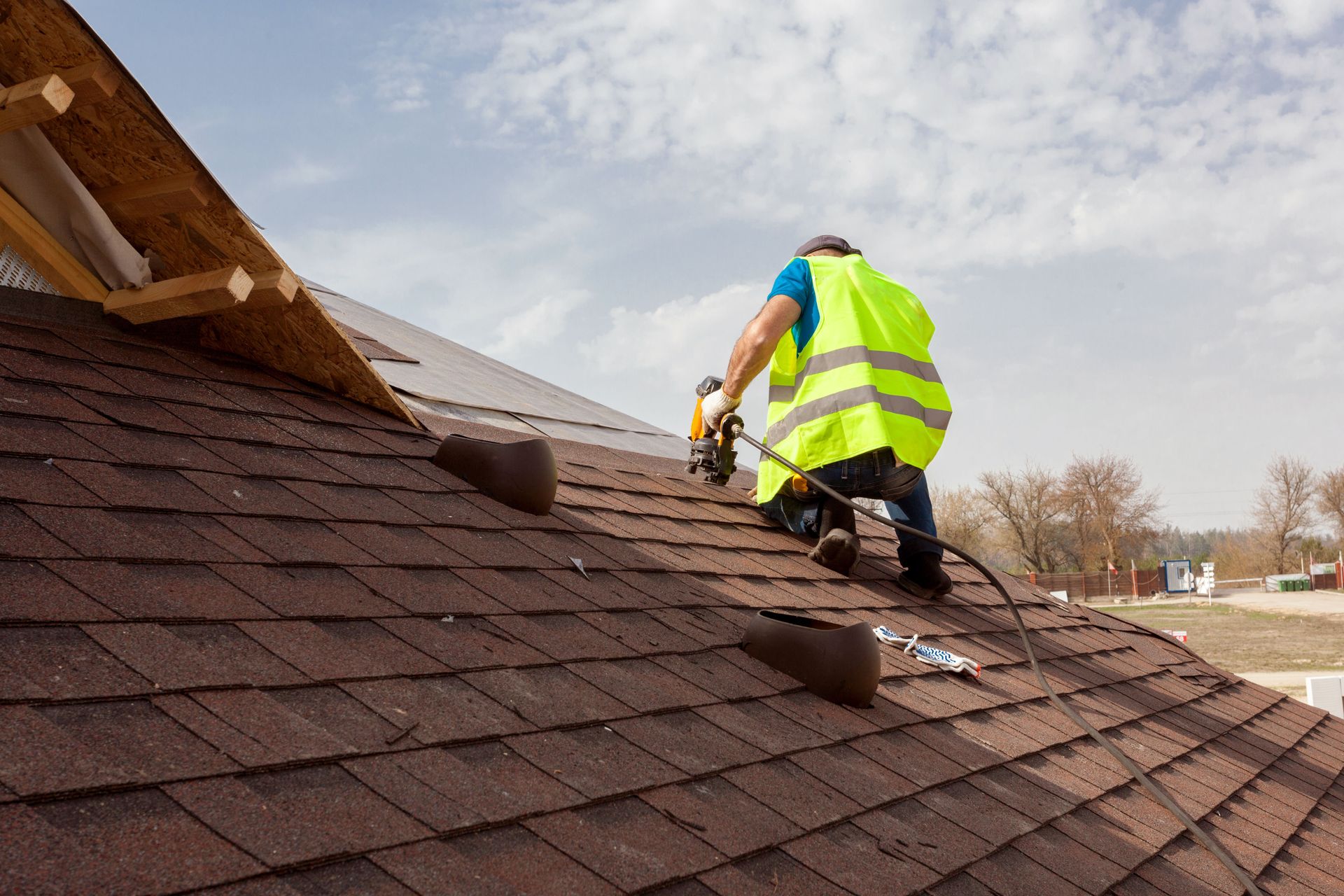
Shingle or material installation is the core of the roofing process. Materials must be aligned, overlapped, and securely fastened according to manufacturer specifications and industry standards. Incorrect installation can result in premature wear, water intrusion, or wind damage. For metal or tile roofing, precision and expertise are particularly critical to ensure proper interlocking and alignment.
Flashing and ventilation are vital elements that protect vulnerable areas of the roof, such as chimneys, skylights, vents, and valleys. Flashing directs water away from these points to prevent leaks, while proper ventilation reduces heat and moisture buildup in the attic, which can otherwise degrade roofing materials and insulation.
Finally, a thorough inspection and cleanup is performed to ensure quality and safety. The roof is examined for alignment, secure fastening, and potential weak points. Leftover debris and materials are cleared from the property to create a safe, clean environment around the home.
Factors to Consider During Roof Installation
Several factors influence the durability and effectiveness of a new roof. Climate and weather conditions play a significant role in material selection and installation techniques. Roofs in areas prone to heavy rain, snow, or strong winds require additional reinforcements and water-resistant materials.
Roof pitch and design also affect installation. Steeply sloped roofs require specialized safety measures and installation techniques, while flat or low-slope roofs demand materials that provide superior water drainage. Homeowners must consider how the roof design will handle snow, ice, and runoff.
Compliance with building codes and local regulations is essential. Professional installers ensure that the roof meets all safety standards, which is critical for insurance coverage and legal protection.
Warranties and guarantees should be reviewed before installation. A combination of manufacturer and installer warranties provides long-term protection against defects, material failure, and installation errors, offering peace of mind for homeowners.
Finally, energy efficiency is an important consideration. Proper insulation, reflective coatings, and well-designed ventilation contribute to consistent indoor temperatures, reducing reliance on HVAC systems and lowering energy costs.
Common Mistakes to Avoid
Errors during roof installation can compromise durability and safety. Common mistakes include improper underlayment placement, insufficient fastening of shingles, inadequate flashing, and failure to follow manufacturer guidelines. These issues can lead to leaks, structural damage, and reduced lifespan of the roof. Hiring a qualified, experienced roofing contractor is the most effective way to prevent costly mistakes and ensure long-lasting results.
Maintenance After Roof Installation
A professionally installed roof requires ongoing maintenance to maximize its lifespan. Regular inspections should be conducted to identify loose or damaged shingles, flashing issues, or signs of water intrusion. Gutters should be cleared of debris to prevent water buildup, and ventilation systems should be monitored to maintain proper airflow. Prompt attention to minor issues prevents costly repairs and preserves the roof’s integrity over time.
Benefits of Professional Roof Installation
Professional roof installation offers numerous advantages that homeowners cannot achieve with DIY approaches. Experienced contractors bring expertise in material selection, structural requirements, and installation best practices. They ensure compliance with safety standards, building codes, and manufacturer specifications.
A high-quality roof installation maximizes durability, reduces maintenance needs, and enhances both the visual appeal and value of the home. Professional services also include warranties that protect homeowners against potential defects or premature failure, offering long-term financial security and peace of mind.
Conclusion
Roof installation is a critical investment that directly impacts the safety, comfort, and value of a home. Choosing the right materials, following a systematic installation process, and relying on professional expertise ensures that a roof performs efficiently and withstands environmental stresses for decades. Beyond protection from weather, a properly installed roof enhances energy efficiency, supports structural integrity, and contributes to the overall aesthetic appeal of a property.
By prioritizing careful planning, quality materials, skilled installation, and ongoing maintenance, homeowners can enjoy the benefits of a durable, functional, and visually appealing roof that safeguards their home and family for years to come. Roof installation is not just a construction task—it is an investment in security, comfort, and long-term home value.