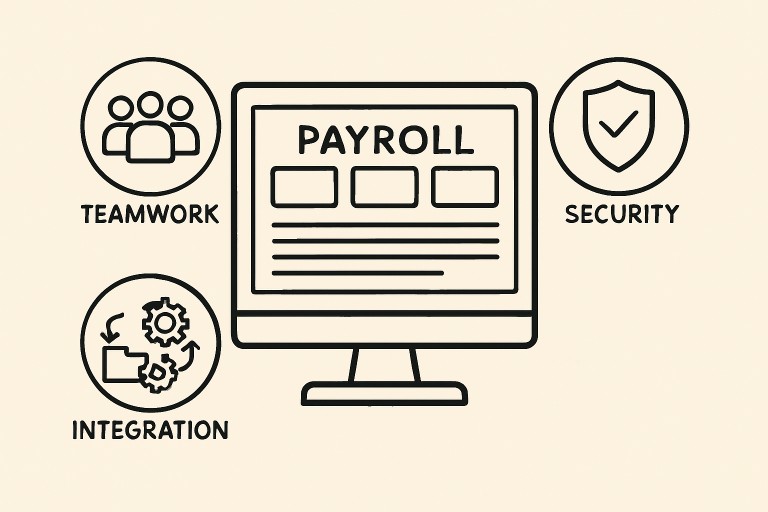
Key Takeaways
- Thoroughly assess payroll needs and organizational requirements before choosing software.
- Select intuitive platforms to ease team adoption and reduce onboarding time.
- Ensure integrations with HR, accounting, and time-tracking tools work flawlessly.
- Commit to strongdata security practices to safeguard payroll information.
- Offer detailed training and clear documentation for payroll staff.
- Utilize parallel payroll runs to reliably test the new system before full deployment.
- Continue monitoring the solution after implementation to resolve any issues quickly.
Embracing modern payroll technology can be a game-changer for businesses seeking to increase efficiency and maintain compliance. From streamlining pay calculations to ensuring regulatory accuracy, proper implementation reduces operational headaches and boosts productivity. When exploring solutions, ADP payroll software offers robust tools that suit organizations of any size or complexity, making it an excellent starting point for businesses aiming to modernize their payroll processes.
Rolling out new payroll software, however, demands more than just installing new systems. It requires thoughtful planning and targeted execution to ensure your workforce can hit the ground running with minimal disruption. With user-centric interfaces and ongoing support, top payroll solutions help companies overcome common roadblocks and create a seamless transition for all stakeholders.
Success depends on aligning technology choices with business needs. From the outset, organizations should clearly outline their payroll objectives, analyze their current workflows, and prioritize platforms that not only simplify processes but also protect sensitive data. These early steps lay the foundation for a smoother adoption experience and ensure that long-term benefits follow the initial rollout.
Integrating a payroll system is also a valuable opportunity to rethink legacy tools and methods. Businesses benefit from considering how the new solution fits alongside existing human resources and accounting functions to ensure data is accurate, timely, and secure. Approaching implementation holistically is essential to achieving lasting results.
1. Assess Your Payroll Needs
Every business has distinct payroll requirements that reflect the number of employees, types of compensation, pay schedule, and legal regulations governing pay processes. Start by mapping your company’s specific needs and future growth projections. This clarity helps you pinpoint payroll platforms that accommodate custom reporting, multi-state compliance, pay types, and more. Additionally, understanding in-house payroll expertise and pain points enables businesses to prioritize software features that will have the greatest organizational impact.
2. Prioritize User-Friendly Software
The best payroll programs are intuitive for all users, regardless of technical background. Prioritize software with clean navigation menus, clear on-screen instructions, and responsive dashboards. By minimizing complexity, companies reduce onboarding demands and the likelihood of input errors. Guided workflows and contextual help features give your payroll team confidence when handling tasks ranging from manual data entry to generating reports. Easy-to-understand platforms can transform routine payroll tasks while saving valuable staff time.
3. Ensure Seamless Integration
A new payroll solution should integrate smoothly with your HR, benefits administration, and accounting systems. Look for platforms with pre-built connectors, open APIs, or native partnerships with the tools your business already trusts. Avoiding duplicate data entry is not only efficient but also lowers the risk of mismatches and errors across platforms. Integration enables accurate, real-time updates on employee changes, time-off balances, and tax reporting, ensuring your organization meets regulatory requirements and internal standards effortlessly. For deeper insights on system integrations, you can consult guidance from established resources like SHRM’s HR technology overview.
4. Implement Robust Security Measures
Payroll data contains some of your business’s most sensitive information, including bank account numbers, social security numbers, and salary details. Modern payroll software should include features such as data encryption, role-based access controls, multi-factor authentication, and ongoing vulnerability monitoring. Ensure that security protocols comply with the latest industry standards and government regulations. Regularly review permissions for both internal payroll teams and any external vendors to prevent unauthorized access. A strong security posture will help avoid costly breaches and maintain employee trust.
5. Provide Comprehensive Training
Even the most user-friendly systems can pose a challenge when first adopted. Provide tailored training sessions, hands-on demonstrations, and detailed documentation for your payroll staff. Training ensures team members fully understand the new system’s features and can address issues independently. Choose vendors who offer live support and updated knowledge bases so your team can resolve issues quickly. Ongoing training is especially beneficial as new features or updates are released, fostering constant improvement and confidence among your team.
6. Conduct Parallel Payroll Runs
To reduce risk, pilot the new software alongside your legacy payroll process for at least one or two complete cycles. This trial phase, known as a parallel run, allows you to catch differences between old and new calculations, check deduction rules, and verify employee data settings. Addressing any inconsistencies before officially retiring the previous system ensures your workforce is paid correctly and helps build stakeholder trust in the software rollout.
7. Monitor Post-Implementation
Transitioning to live payroll is just the beginning. Set up regular monitoring processes to identify operational hiccups, such as delayed payments, tax filing issues, or integration failures. Encourage payroll users to report any problems quickly and have an escalation plan for major incidents. Review metrics regularly to identify opportunities for process improvements, system updates, or additional user training. Continuous monitoring protects your investment and supports seamless, compliant payroll operations long after the initial rollout.
Following these best practices allows businesses to unlock the full potential of payroll software. Strategic adoption not only enhances efficiency but also secures ongoing compliance and employee satisfaction. Proactive planning and thorough training pave the way for smoother payroll operations and long-term organizational growth.