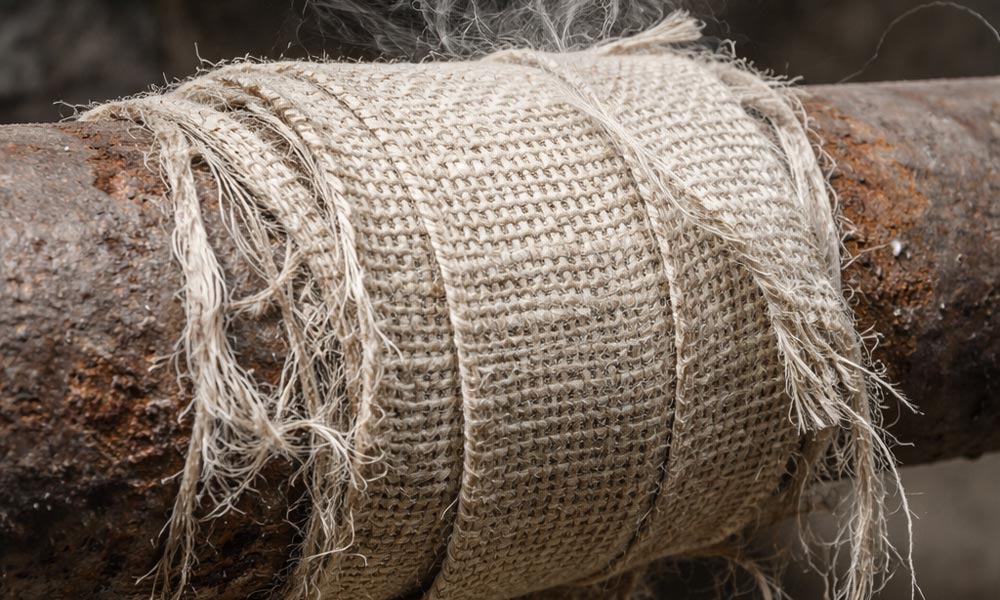
Asbestlint is a word that many people have never heard before, but it is something that still exists in many old homes and buildings today. At first, it may sound like any normal building material, but the truth is very different. Asbestlint is linked to serious dangers, and most people only learn about it when it is already too late. That is why learning about it now can help keep you, your family, and even your community safe.
In this article, we will take a clear and simple look at what asbestlint really is, where it hides, why it was used for so many years, and what dangers come with it. We will talk about real risks, real health problems, and the best ways to stay safe today. Everything will be explained in very easy words, so you do not feel lost or confused. Let’s begin by understanding the meaning behind this old but important material.
What Asbestlint Really Means
Asbestlint is a simple word that comes from two parts: “asbest,” which means asbestos, and “lint,” which means a strip or tape. So when we say asbestlint, we are talking about a tape made from asbestos fibers. This tape was soft, strong, and easy to wrap around pipes or machines. Many workers in the past used it every day without knowing the harm it could cause.
People once believed asbestlint was safe. They loved it because it did not burn, did not melt, and could handle very high heat. It was seen as a miracle material for factories and buildings. But the hidden danger came later, when experts found out that the tiny fibers inside asbestlint could harm the lungs and cause deadly diseases.
Even today, some old places still have this material. That is why knowing what asbestlint means helps you understand why it must be treated with care and never handled without the right safety steps.
Where Asbestlint Is Found Today
Asbestlint is not used in new buildings anymore, but many older buildings still have it. You may find it hiding in places that deal with heat, such as around pipes, boilers, or heating ducts. It was often wrapped tightly around these parts to stop heat from escaping and to reduce fire risks.
You can also find asbestlint in old factories, shipyards, and power plants. In the past, workers used it in many machines because it did not break down easily. Even after decades, it can still be found in corners where no one has touched the equipment for years.
If you live in a house built before the 1980s, there is a chance that some form of asbestos tape, including asbestlint, may be present. This does not mean you are in danger right now. The danger usually begins only when the material is disturbed. But knowing where it might be found helps you stay alert during repairs or home updates.
Why Asbestlint Was Used So Much
For many years, asbestlint was popular because it solved problems that other materials could not. One of its biggest strengths was heat resistance. It could stay strong even in places with very high temperatures. This made it perfect for factories, ships, and buildings where heat was a big concern.
Asbestlint was also cheap and easy to use. Workers could bend it, wrap it, or fold it without breaking it. Imagine trying to wrap a hard board around a hot pipe—it would never work. But a flexible tape like asbestlint fit perfectly, and that convenience made people trust it even more.
Another reason for its heavy use was its long life. Once you installed asbestlint, you did not have to replace it for many years. It could handle smoke, steam, oil, and chemicals without falling apart. At the time, it felt like the perfect product. No one knew that this strong and helpful material had a dark side that could harm lives decades later.
The Real Dangers of Asbestlint Exposure
The dangers of asbestlint do not come from touching it. They come from the tiny fibers inside it. These fibers are so small that you cannot see them with your eyes. When asbestlint becomes old, cracked, or broken, these fibers can float into the air. Once they are in the air, anyone nearby can breathe them in without noticing.
The scary part is that you do not feel the damage right away. The danger is slow and silent. The fibers stay inside the lungs for years and cause harm over a long time. Many people who worked with asbestlint in the past only learned they were sick 20 to 40 years later.
This is why experts always say: never disturb asbestlint. Once the fibers are released, they can cause serious, life-changing health problems. Understanding this danger is the first step in staying safe.
Health Problems Linked to Asbestlint
Asbestlint is linked to several serious diseases. The most well-known one is mesothelioma. This is a very rare but aggressive cancer that affects the lining of the lungs or stomach. Doctors say almost all mesothelioma cases come from asbestos exposure. This shows how dangerous asbestlint truly is.
Another major disease is asbestosis. This happens when asbestos fibers cause scarring inside the lungs. Over time, the lungs become stiff, making it very hard to breathe. People with asbestosis often have a dry cough and feel tired even when they have not done much.
Lung cancer is also linked to asbestlint. The risk becomes much higher if the person also smoked at some point in their life. The problem with all these diseases is that they take many years to appear. This delay makes them harder to treat, which is why preventing exposure is so important.
Jobs and Places With Highest Asbestlint Risk
Some jobs faced a much higher risk of asbestlint exposure than others. Construction workers and demolition teams often worked in buildings that had asbestos tape on pipes or heating systems. When they cut or removed old materials, fibers could easily float into the air.
Plumbers and electricians also worked close to asbestlint. Many pipes and wires were covered with heat-proof tape in the past. These workers often had no idea they were breathing in dangerous fibers while doing simple everyday tasks.
Shipyard workers, factory workers, and power plant employees were also exposed. In many old ships and machines, asbestlint was used everywhere because of high temperatures. Even teachers, students, and janitors in older schools may face risks today if the buildings still contain asbestos materials.
Signs That Asbestlint May Be in Your Home
If your home was built before the 1980s, there is a chance it may contain asbestlint. One sign is old insulation wrapped around pipes in the basement or attic. If the material looks dusty, frayed, or worn out, it could be asbestos tape.
Another sign is old heating ducts or boilers covered with white or grey tape that looks like cloth. Some people mistake this for normal insulation, but it may actually be asbestlint that has been there for decades.
You should never touch or try to remove anything you suspect is asbestos. Even a small disturbance can release harmful fibers into the air. Instead, the safe step is to call a trained asbestos expert who can inspect the material without risk.
What To Do if You Found Asbestlint
If you find something in your home that looks like asbestlint, the first rule is simple: do not touch it. Do not try to peel it, cut it, or clean it. Even sweeping the area can release fibers into the air. Leave it exactly as it is.
The next step is to keep the area closed off. If the material is in the basement, for example, avoid going there until a professional checks it. You can also place a simple sign to remind others not to enter or disturb the area.
Then, call a licensed asbestos inspector or removal team. These experts have special tools and safety gear. They know how to test the material safely and tell you what to do next. Trying to handle asbestlint by yourself is never safe.
Laws and Rules About Asbestlint Removal
Different countries around the world now have strict laws about asbestlint because the dangers are well known. Many places have banned the use of asbestos in new buildings. This means no new asbestlint can be made or sold. But old buildings still need special care, which is why these laws are important.
There are rules for how asbestlint must be handled, removed, and thrown away. Only trained and licensed teams are allowed to remove it. These laws help protect workers and families from breathing in dangerous fibers. If a company or building owner does not follow the rules, they can face large fines or legal action.
Workers also have rights. If someone works in a place that might have asbestlint, the employer must provide safety training and protective equipment. These laws help make sure everyone stays safe during repairs, renovations, or demolition in older buildings.
Safe Solutions for Handling Asbestlint
Handling asbestlint safely always starts with calling a trained professional. These experts have special suits, masks, and tools that stop fibers from spreading in the air. They also seal off the work area so no one else is exposed. This step is very important for keeping homes and workplaces safe.
One safe method used by experts is the “wet removal” process. They spray water on the asbestlint before removing it. The water helps keep the fibers from floating away. This reduces the risk of anyone breathing in harmful dust. After removing it, they seal the material in strong bags before taking it away.
Safe solutions also include cleaning the area after the removal. Professionals use special vacuums and filters to make sure no fibers are left behind. When the job is done, they test the air to confirm it is safe for people to return. This careful process shows why trained teams are needed for any work involving asbestlint.
Modern Alternatives to Asbestlint
Today, there are many safe materials that have replaced asbestlint. One popular choice is fiberglass tape. It is heat-resistant but does not contain harmful fibers. It is often used on pipes, ducts, and machines that need protection from heat.
Another alternative is ceramic fiber tape. This tape can handle very high temperatures and is safe for workers to use. Unlike asbestlint, it does not release dangerous particles into the air. These modern materials give people the same benefits without putting their health at risk.
Science has improved a lot, and new insulation products are now safer, stronger, and long-lasting. This progress shows how far we have come. We can still enjoy the safety and performance that asbestlint once offered, but without any of the danger.
How To Protect Yourself From Asbestlint Risks
Protecting yourself from asbestlint starts with simple awareness. If your home or workplace is old, take extra care during repairs or renovation. Ask yourself: “Could this old tape or insulation be asbestos?” If you are not sure, treat it with caution and avoid touching it.
Another step is regular checks. If you see old, dusty, or damaged tape around pipes, do not ignore it. A quick call to a professional can save you from a big problem later. It is always better to check early than deal with health concerns many years later.
Education is also a form of protection. When you learn about asbestlint and its risks, you make safer choices. You help others stay safe too. Talking about it with family members or coworkers can prevent exposure for many people. Staying informed is one of the strongest tools for protecting your future.
Conclusion
Asbestlint may seem like a small and simple material, but its impact is large. It reminds us that even helpful tools can hide danger when we do not understand them fully. Today, we know the risks, and we know how important it is to handle this material with care.
By learning how to identify asbestlint, where it may be hiding, and why it is dangerous, you have taken an important step toward safety. You now understand the laws, the safe solutions, and the modern alternatives that protect people today. This knowledge can help you make the right choices in your home, workplace, or community.
Staying informed is the best way to stay safe. If you ever come across old insulation or tape that might be asbestlint, remember what you learned here. Do not touch it. Call an expert. Protect yourself, your family, and your future. Awareness is your strongest shield, and with it, you can stay safe in a world where old materials sometimes still hold hidden risks.
(FAQs)
What is asbestlint?
Asbestlint is a type of tape made from asbestos fibers. It was used in old buildings to wrap pipes, heaters, and machines that became very hot. It looks like a cloth tape, but it contains tiny fibers that can harm the lungs if they get into the air.
Why was asbestlint used in the past?
People used asbestlint because it was strong, heat-proof, and did not burn. Workers could wrap it around pipes or machines to stop heat loss or prevent fires. At that time, no one knew it could cause serious health problems later on.
Is asbestlint still used today?
No. Most countries banned asbestos many years ago because of its health risks. New buildings do not use asbestlint anymore. But old homes, schools, factories, and ships may still have it, which is why awareness is important.
How can asbestlint harm my health?
The danger comes from tiny asbestos fibers inside the tape. When asbestlint is old or damaged, it can release these fibers into the air. Breathing them in can lead to serious diseases like mesothelioma, lung cancer, and asbestosis. These diseases may appear many years after exposure.
How do I know if asbestlint is in my home?
You may see old tape wrapped around pipes or heating systems. If your home was built before the 1980s, this tape could be asbestlint. But you cannot be fully sure by looking. Only trained experts can test it safely. Never touch or disturb the tape yourself.
What should I do if I think I found asbestlint?
Do not touch it or try to remove it. Keep the area closed and avoid going near it. Then call a licensed asbestos inspector. They can test the material and tell you the safest next step. Trying to remove it yourself can release harmful fibers.
Is it safe to live in a home that has asbestlint?
Yes, it can be safe if the asbestlint is not damaged or disturbed. The danger starts when the tape breaks, crumbles, or is moved. As long as it stays sealed and untouched, the fibers usually stay in place. But it is always wise to have professionals check it.
How do professionals remove asbestlint safely?
Experts wear special suits and masks to protect themselves. They seal off the area, spray the asbestlint with water to stop fibers from floating, and remove it very carefully. Then they seal the waste in strong bags and clean the area with special vacuums. This process keeps everyone safe.
Are there safe alternatives to asbestlint?
Yes. Today we use materials like fiberglass tape and ceramic fiber tape. These do the same job—protect pipes and machines from heat—but they do not contain dangerous fibers. They are much safer for workers and building owners.
Why is it important to learn about asbestlint now?
Even though asbestlint is no longer used, it still exists in many older buildings. Learning about it helps you protect yourself during repairs, home upgrades, or when buying an older property. Knowing the risks helps you take the right steps and avoid accidents that could affect your health years later.
Read next: Centro Politecnico Superior: A Simple Guide for Future Engineers