Key Takeaways
- Asphalt shingles can be a practical roofing option when product selection and installation details match the home’s needs.
- Wind rating, fastening, underlayment, flashing, deck condition, and ventilation all affect roof performance.
- BC American Roofing helps homeowners determine whether repair, storm-related evaluation, or replacement is the appropriate next step.
- Architectural and 3-tab shingles serve different budgets, appearance preferences, and product-performance goals.
- Roof material decisions should account for storm exposure, roof design, long-term plans, and maintenance expectations.
For homeowners in St. Petersburg, a roofing decision is rarely just about choosing a color. Strong sun, heavy rain, wind, and tropical weather can expose weaknesses in an aging roof or a poorly detailed installation. BC American Roofing, a St. Petersburg, Florida, roofing company providing commercial and residential roofing services and installation, offers asphalt shingle installation and repair for homeowners who need a practical way to assess roof condition, compare options, and plan work around their property’s priorities.
Asphalt shingles remain a familiar residential roofing material because they offer a broad range of styles, relatively straightforward repairs for isolated damage, and a lower upfront cost than many metal or composite systems. Their suitability, however, depends on more than the surface material. The selected shingle, its wind rating, the underlayment, nail placement, flashing, roof edges, ventilation, and condition of the roof deck all deserve attention.
What Roofing Problems Can an Inspection Clarify?
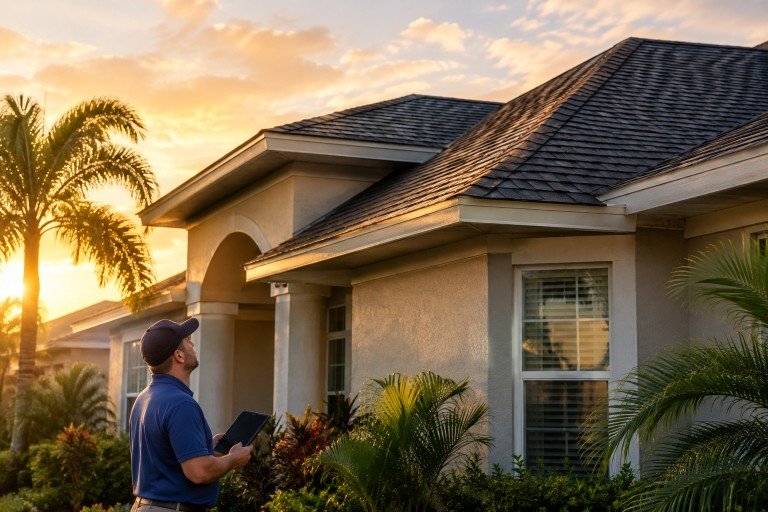
Missing, lifted, creased, curled, blistered, cracked, or visibly worn shingles can signal that a roof needs professional attention. Granules in gutters, water stains on ceilings, loose flashing, exposed underlayment, and recurring leaks are also reasons to schedule an evaluation. A visible symptom does not automatically mean a full replacement is necessary, but it should not be ignored.
BC American Roofing can evaluate whether the problem appears limited to a repair area or whether broader work may be needed. That assessment can include shingles, roof penetrations, flashing, roof edges, ventilation, and visible decking conditions. If old roofing is removed, concealed concerns such as damaged decking or trapped moisture may become apparent and can be addressed before the new roof covering is installed.
Why Wind Rating and Installation Details Matter
A shingle brand alone does not determine how a roof will perform in severe weather. The product’s tested wind classification is important, but so are the manufacturer’s fastening requirements and the installation of the complete roofing system. Florida’s wind-resistance classifications for asphalt shingles identify ASTM D7158 categories ranging from Class A at 60 mph to Class H at 150 mph. A classification is useful for comparison, but it is not a guarantee that a roof will avoid all storm damage.
High-wind roofing practices focus on details that are easy to overlook: proper nail placement and depth, suitable underlayment, secure starter and edge details, properly integrated flashing, and sound roof-deck preparation. Federal building-science guidance on installing asphalt shingles for high-wind conditions emphasizes following manufacturer instructions, using appropriate fasteners, and protecting vulnerable roof areas from water intrusion if shingles are damaged or displaced.
Architectural vs. 3-Tab Shingles
Both types can be considered during a residential roof replacement, but they have meaningful differences.
- 3-tab shingles: These typically have a flatter, more uniform appearance and may appeal to homeowners focused on a simpler look or lower initial material cost.
- Architectural shingles: These have a thicker, layered appearance that creates more dimension. Many architectural products also offer stronger wind ratings than basic 3-tab options, although the specific product rating should always be reviewed.
- Color and curb appeal: Asphalt shingles are available in a variety of colors and blends, allowing homeowners to coordinate the roof with exterior finishes.
- Best fit: The right choice depends on budget, roof geometry, storm priorities, desired appearance, and the product options available for the project.
How In-House Supervision Supports the Project
BC American Roofing states that its roofing jobs receive in-house supervision, with the owner involved in on-site project decisions. For a homeowner, direct oversight can be valuable when the old roof is removed, and a decision is needed regarding deck repairs, material changes, or unexpected conditions. It also provides continuity between the original inspection, the agreed scope of work, and the final walkthrough.
Supervision does not eliminate the possibility of hidden damage or weather-related scheduling changes. It can, however, help ensure that questions are addressed while the work is underway rather than after the crew has left. Homeowners should still review their proposal carefully and ask how concealed conditions, change orders, cleanup, and final inspection will be handled.
What the Asphalt Shingle Process Can Include
- Initial discussion: Review roof age, visible symptoms, prior repairs, and recent storm exposure.
- Inspection: Evaluate the roof covering, flashing, edges, ventilation, gutters, and accessible signs of deterioration.
- Material comparison: Discuss architectural and 3-tab shingles, color choices, wind ratings, and practical trade-offs.
- Scope planning: Separate known repair or replacement work from conditions that can only be confirmed after tear-off.
- Installation or repair: Complete the agreed work with attention to water-shedding details, fastening, underlayment, and flashing.
- Final review: Walk through the completed work and discuss reasonable maintenance steps.
When Asphalt Shingles May Not Be the Best Fit
Asphalt shingles can make sense for many St. Petersburg homes, but they are not automatically the right answer for every property. A homeowner who places the highest priority on long service life, a different architectural style, or another approach to storm resistance may want to compare metal, stone-coated steel, composite, or flat-roofing options where appropriate. BC American Roofing provides commercial and residential roofing services and offers multiple roofing systems, allowing the discussion to focus on the property rather than a single material.
Questions to Ask Before Approving Roofing Work
- What shingle product and wind classification are proposed?
- How will the roof deck be evaluated and documented?
- Which underlayment, flashing, ventilation, and edge details are included?
- How will the crew follow the manufacturer’s fastening requirements?
- Who will supervise the work on site?
- How will concealed damage be communicated and priced?
- Would another roofing material better fit the home’s budget and long-term goals?
Frequently Asked Questions
Can asphalt shingles work well in St. Petersburg?
They can be a practical choice when the selected product and installation details are suited to the home and local conditions. A professional inspection can help determine whether asphalt shingles align with the project’s budget, roof design, and storm-readiness priorities.
Can a damaged shingle roof be repaired?
Some isolated issues, such as localized shingle or flashing damage, may be repairable. Widespread aging, repeated leaks, extensive storm damage, or deteriorated decking may point toward a broader replacement discussion.
What should homeowners do after a major storm?
Avoid walking on the roof. Look for visible concerns from the ground, document damage when safe to do so, and arrange a professional inspection if shingles appear lifted, missing, creased, or damaged.
Conclusion
Choosing an asphalt shingle roof in St. Petersburg involves more than selecting the least expensive option or the most familiar brand. BC American Roofing helps homeowners consider the condition of their roof, material ratings, installation details, repair needs, and alternative roofing systems before work begins. With a planned evaluation and clear questions, homeowners can make a more informed decision about protecting their property.