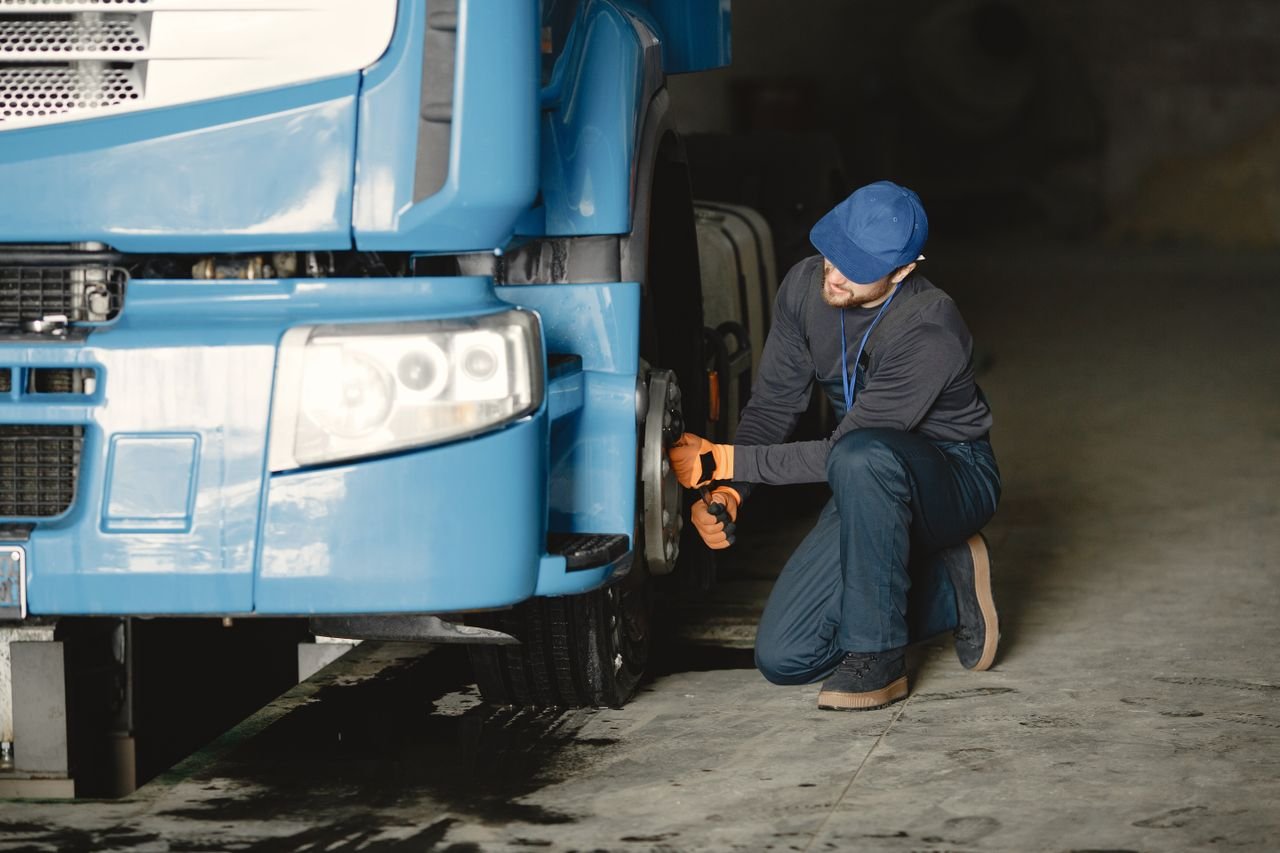
A bent wheel can happen quickly and unexpectedly. Whether you hit a pothole at highway speed, strike a curb while parking, or encounter road debris, wheel damage is one of those automotive problems that many drivers overlook until it becomes a safety concern. Understanding what bent wheel repair involves, when you can fix a wheel versus when you need replacement, and how much the process typically costs can help you make informed decisions and avoid costly mistakes. This guide walks you through the essentials of bent wheel repair so you can approach the process with confidence.
1. Understanding Wheel Damage and When It Matters
Not all wheel damage is created equal. A bent wheel can range from a minor cosmetic dent that does not affect performance to a severe structural deformation that compromises your vehicle’s safety and handling. The severity depends on factors such as the size and location of the bend, the wheel material, and how the impact occurred. A bend on the outer edge of the wheel rim may be purely aesthetic, while a bend closer to the tire bead, the area where the tire sits on the rim, can cause air leaks and tire pressure problems. Understanding the difference helps you decide whether immediate repair is necessary or whether you can schedule service at your convenience.
The location of the bend also matters significantly. Bends in the center of the wheel face or along the inner rim are generally more serious than bends on the outer lip. Center damage can affect wheel balance and cause vibration at higher speeds, potentially damaging your suspension and steering components over time. Inner rim bends may prevent proper tire seating, leading to slow air leaks that leave you stranded or result in a flat tire when you need the vehicle most. A professional inspection can pinpoint exactly where the damage is and whether your specific wheel can be safely repaired or must be replaced.
2. The Wheel Repair Process and What to Expect
When you take a bent wheel to a professional repair facility, the technician will first clean the wheel thoroughly and assess the damage under proper lighting. This inspection determines whether the wheel is repairable or if replacement is the only safe option. If the wheel can be repaired, the technician uses specialized equipment to straighten the bend gradually and carefully. The process is not instantaneous; it requires skill and patience to restore the wheel to its proper shape without creating new damage or weak spots in the metal.
The repair itself typically involves removing the tire from the wheel, heating the damaged area to make the metal more malleable, and then using hydraulic presses and hand tools to carefully straighten the bend. Once the straightening is complete, the technician checks the wheel for balance and proper dimensions using precision equipment. Facilities that prioritize safe bent wheel repair verify that the wheel meets factory specifications before remounting and balancing the tire, ensuring structural integrity is fully restored. Different repair shops may use slightly different techniques, but the core principle remains consistent across the industry.
3. Knowing When Repair Is Impossible and Replacement Is Necessary
Some wheel damage cannot be safely repaired, no matter how skilled the technician. Large cracks in the wheel structure, severe bends that affect multiple areas of the rim, or damage to the valve stem area may make repair impractical or dangerous. Additionally, if the wheel has been bent and repaired multiple times previously, the metal may be weakened and unable to withstand further stress. Attempting to repair an unrepairable wheel puts you at risk of catastrophic failure while driving, potentially causing accidents or loss of vehicle control.
Alloy wheels are more prone to cracking during straightening attempts compared to steel wheels, which are more forgiving. If a technician detects cracks during the inspection process, repair is not an option, and replacement becomes necessary. Similarly, if a wheel has been bent so severely that straightening would require removing excessive amounts of metal or would leave the wheel thinner and weaker than factory specifications, the technician will recommend replacement. A reputable repair shop will not attempt an unsafe repair simply to make a sale; they will be honest about whether your wheel can be safely restored.
4. Cost Considerations and What Affects Pricing
The cost of bent wheel repair varies based on several factors, including the severity of the damage, the type of wheel, the facility’s location, and the equipment required for the repair. A minor bend on a steel wheel might cost significantly less than a complex bend on a premium alloy wheel. Most repair facilities offer reasonable rates for straightforward repairs, though pricing ranges widely depending on regional labor markets and shop overhead. If the wheel cannot be repaired and replacement is necessary, you are looking at the full cost of a new wheel, which can be considerably more expensive.
Labor costs also play a role in the final price. A technician who must spend considerable time heating, pressing, and adjusting the wheel will charge accordingly. Some shops charge by the hour for labor, while others offer flat rates for specific types of damage. Getting quotes from multiple facilities before making a decision is always wise. Additionally, consider whether you need a matching replacement wheel if repair is not possible, since buying a single replacement that matches your existing set is important for maintaining balanced handling and preventing premature tire wear.
5. Prevention and Long-Term Wheel Care
While accidents and road hazards cannot always be avoided, certain driving habits and vehicle maintenance practices can reduce the risk of wheel damage. Slowing down when approaching potholes, being cautious in parking situations, and maintaining proper tire pressure all contribute to wheel longevity. Underinflated tires are particularly vulnerable to rim damage because they provide less support and protection to the wheel structure. Checking your tire pressure monthly and before long trips helps maintain this protective cushion between the tire and the road.
Regular visual inspections of your wheels can catch early signs of damage before they become serious problems. Look for small bends, cracks, or areas where the tire does not sit evenly on the rim. If you hit something significant, such as a large pothole or a curb, inspect your wheels shortly afterward, even if you do not notice immediate problems. Early detection makes repair easier and less expensive. Rotating your tires regularly also ensures even wear and helps you spot damage more easily, since you will become familiar with how each wheel appears over time.
Conclusion
Bent wheel repair is a manageable problem when you understand your options and act promptly. By recognizing the signs of wheel damage, knowing when repair is possible versus when replacement is necessary, and getting professional assessments before making decisions, you can protect both your vehicle and your safety. Whether your bent wheel can be straightened or needs replacement, addressing the issue quickly prevents cascading damage to your tires, suspension, and steering components. Take time to understand the repair process, get multiple quotes if needed, and trust the expertise of qualified professionals who can honestly assess your wheel’s condition and recommend the best path forward.