Hair plays an important role in personal appearance, and noticing increased shedding or gradual thinning can be worrying. Some daily hair shedding is normal, but persistent changes in density, a widening part, a receding hairline, or visible scalp areas may indicate an underlying issue. Identifying the reason for these changes is the first step towards choosing an appropriate solution.
People researching hair loss treatment Dubai will encounter a range of options, from medical assessment and topical therapies to non-surgical procedures and hair transplantation. The most suitable approach depends on the cause, pattern, duration, and extent of hair loss. There is no single treatment that works equally well for everyone, which is why a personalised assessment matters.
Why Does Hair Loss Happen?
Hair growth follows a natural cycle involving growth, transition, and resting phases. Individual hairs shed at different times, allowing new strands to develop. When this cycle is disrupted or follicles gradually become smaller, thinning may become more noticeable.
Several factors can contribute to hair loss. These include hereditary pattern hair loss, hormonal changes, nutritional deficiencies, thyroid conditions, illness, certain medications, scalp inflammation, and physical or emotional stress. Some people experience temporary increased shedding after a major illness or stressful event, while others develop gradual thinning over several years.
The pattern provides useful clues, but it does not establish the cause by itself. A clinical assessment may include questions about family history, recent health changes, diet, medications, scalp symptoms, and the timing of shedding. In some cases, a doctor may recommend blood tests or further investigations.
Why Diagnosis Should Come Before Treatment
Different causes of hair loss require different management strategies. For example, hereditary pattern thinning may be approached differently from sudden shedding associated with illness or a nutritional problem. Treating the wrong cause can waste time and may delay appropriate care.
A specialist should assess the scalp and hair pattern before recommending a procedure. Patients should explain when the shedding began, whether it is diffuse or concentrated in certain areas, and whether there are symptoms such as itching, scaling, pain, or redness.
Anyone experiencing sudden patchy hair loss, scalp inflammation, or rapid unexplained shedding should seek medical evaluation rather than relying only on cosmetic products.
Non-Surgical Options for Hair Restoration
Some people with thinning hair may be suitable for non-surgical therapies. These treatments aim to support scalp health and hair growth, although results vary according to the cause and stage of hair loss.
Cutis International lists several options, including platelet-rich plasma (PRP), growth factor concentrate (GFC), PRP with biotin, Exosome therapy, and Maxxi PRP. A clinician can explain the differences and determine whether any of these approaches are appropriate for an individual patient.
PRP Hair Treatment
PRP uses a sample of the patient’s own blood, which is processed to concentrate platelets and associated growth factors. The prepared material is then applied or injected into selected scalp areas according to the treatment protocol.
The aim is to provide biological signals that may support follicle activity and scalp health. Suitability depends on the patient’s condition, and PRP should not be presented as a guaranteed solution for every type of hair loss.
GFC Hair Treatment
Growth factor concentrate treatment involves preparing concentrated growth factors from a blood sample and applying them to targeted areas. The procedure is intended to support the scalp environment and hair follicle activity.
Patients should ask how the treatment is prepared, how many sessions may be recommended, and what evidence and limitations apply to their specific hair-loss pattern.
PRP Biotin Therapy
This option combines PRP with biotin as part of a treatment approach intended to support hair and scalp health. It is important to discuss whether the added component is appropriate, particularly if a patient has an existing deficiency or takes supplements.
Exosome Therapy and Maxxi PRP
Exosome-based treatments and concentrated PRP preparations are also listed among Cutis International’s hair-restoration services. These are specialised options, and patients should ask about the protocol, regulatory considerations, available evidence, potential risks, and expected outcomes before deciding.
A qualified clinician should explain what is known about each approach rather than relying on promotional descriptions alone.
When Is Hair Transplantation Considered?
For some people with established pattern hair loss, a transplant may be considered after assessment. Hair transplantation moves follicles from a donor area, usually the back or sides of the scalp, to areas where density has reduced.
Not everyone is a suitable candidate. Donor hair quality, the pattern and progression of hair loss, scalp health, age, medical history, and expectations all influence the decision. A specialist should explain the potential benefits, limitations, risks, and likely recovery process.
A transplant also does not prevent future hair loss in untreated areas. Some patients may need ongoing medical management to help maintain their existing hair.
What to Expect During a Hair Consultation
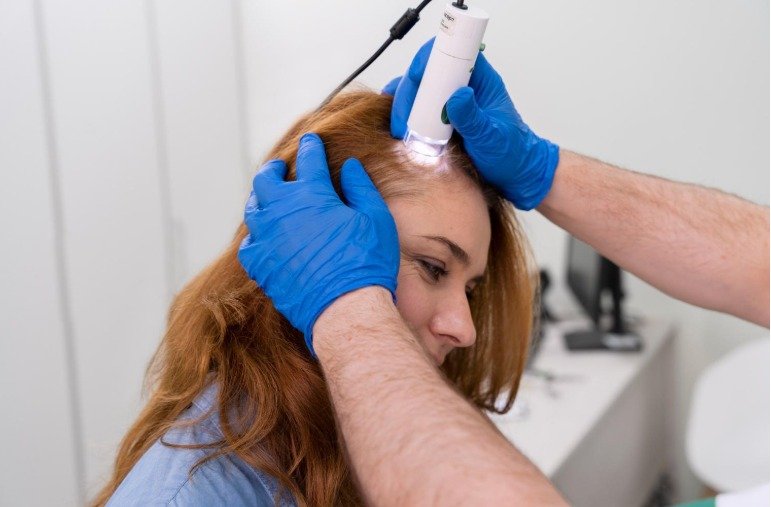
A good consultation should be detailed enough to identify the likely cause and establish realistic goals. The clinician may examine the scalp, review the pattern of thinning, discuss family history, and consider whether investigations are needed.
Patients should ask which treatment is being proposed and why it is suitable. They should also understand the expected number of sessions, likely costs, possible side effects, and how progress will be assessed.
If a treatment is not appropriate, a responsible clinician should explain the reason and discuss alternatives. Patients should be cautious of guarantees, fixed promises about regrowth, or recommendations that do not account for their medical history.
Supporting Hair Health Between Appointments
Professional treatment is only one part of managing hair concerns. A balanced diet, adequate protein intake, and appropriate management of diagnosed deficiencies can support general health. Gentle hair care may reduce breakage caused by excessive heat styling, tight hairstyles, or harsh chemical treatments.
Patients should avoid starting high-dose supplements without advice. Excessive intake of certain vitamins and minerals can be harmful, and supplements do not correct every cause of hair loss.
If a medical condition or medication is contributing to shedding, that issue needs to be addressed with the appropriate healthcare professional.
How to Assess Progress
Hair growth is gradual, so changes may take months to become noticeable. The timeline depends on the cause of hair loss and the treatment selected. Consistent photographs under similar lighting can help patients and clinicians compare density over time.
Follow-up appointments allow the treatment plan to be reviewed. If there is no meaningful improvement or the pattern changes, the clinician may reassess the diagnosis and consider another approach.
Choosing a Hair Treatment Clinic
When comparing providers for hair loss treatment Dubai, consider the qualifications of the clinical team, the assessment process, treatment explanations, hygiene standards, and access to follow-up care. Ask whether the clinic offers a range of options and whether recommendations are based on individual findings.
Cutis International lists PRP, GFC, PRP Biotin, Exosome therapy, and Maxxi PRP among its non-surgical hair-restoration options. Its approach emphasises assessment of hair and scalp concerns before treatment selection.
Conclusion
Hair thinning can have several causes, and the most effective management begins with understanding the reason behind it. Professional assessment, appropriate treatment selection, realistic expectations, and consistent follow-up are all important parts of the process.
For those exploring hair loss treatment Dubai, Cutis International offers consultation-led hair restoration services and a range of non-surgical options. Speaking with its clinical team can help determine which approaches may suit an individual’s hair and scalp condition.