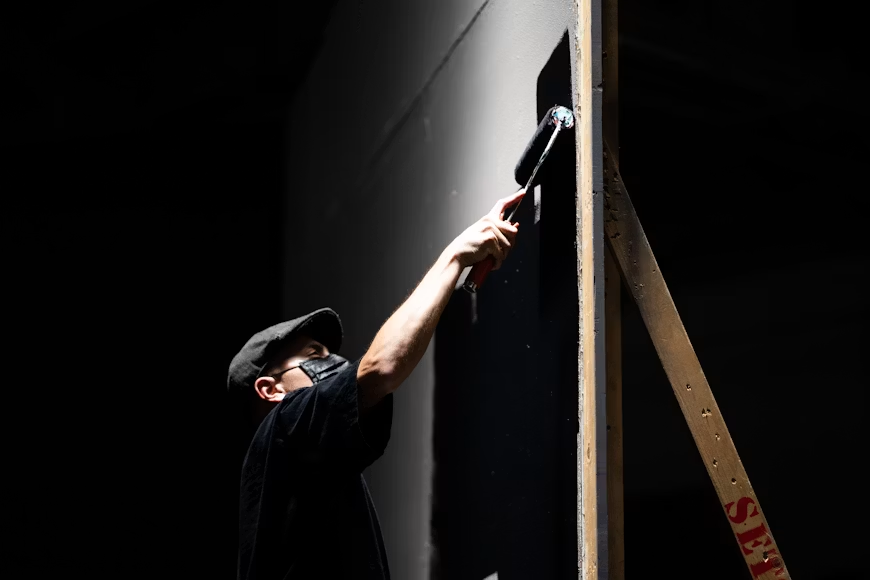
A fresh coat of paint can transform your home. The wrong contractor? That can leave you with streaky walls, missed spots, and a whole lot of frustration.
Most homeowners don’t regret painting. They regret who they hired.
Before you sign anything, ask these seven questions. They’ll help you separate the pros from the people who show up with a ladder and a bucket, and hope for the best.
#1. Are You Licensed, Bonded, and Insured?
This isn’t paperwork. It’s protection.
If something goes wrong on your property, you don’t want to be on the hook. Architectural Digest suggests verifying licensing and insurance as one of the first steps before hiring any contractor.
“Other insurance problems can happen when, for example, you complete unpermitted electrical, plumbing, structural, or roof work that causes a loss and the insurer questions whether the work was legal or professionally done.” – Dennis Shirshikov, a professor of finance and economics at City University of New York/Queens College via The Mountain Ear.
There’s also the legal risk. A recent $2.2 million civil settlement involving a painting contractor cautions that liability issues, particularly involving paint, can become expensive. Ask about:
- Proof of insurance
- Up-to-date licensing
- No hesitation when you ask
If they dodge the question, walk away.
#2. What Prep Work Do You Include?
Prep is everything. No prep? No quality. Simple as that.
Professional painters will clean surfaces, sand rough spots, patch holes, and protect floors and furniture. Skipping these stages is the fastest way to a bad finish.
Homeowners regularly point this out in online discussions where poor prep is one of the biggest complaints about bad contractors. Ensure they:
- Give a detailed prep process (not vague answers)
- Mention sanding, priming, and repairs
- Protection of surrounding areas
If they say “we’ll just paint over it,” that’s your cue to move on.
#3. What Paint and Materials Do You Use?
The type of paint influences the result. Higher-quality products last longer, look better, and resist wear.
Experienced contractors will explain what they use and why. Some might recommend specific finishes based on the room. But also ask about materials upfront to avoid surprises later. Take note of:
- Brand transparency
- Finish recommendations
- Willingness to discuss options
If they won’t talk specifics, that’s a red flag.
#4. Can You Show Me Recent Work or References?
Interior decor magazines or Pinterest boards are always go-to places for inspiration. Homes in the Pacific Northwest, particularly in Mercer Island, tend to opt for nature-inspired tones. But what you see on paper isn’t always what you get.
As they say, the proof is in the pudding. In this case, the proof is in the work. Anyone can say they’re great at what they do. Not everyone can prove it. Consider a painting company in Mercer Island with the relevant experience.
Check their Google reviews. Zero in on the small things. Star ratings. Their responses to those reviews. How they respond.
EA Pro Painters says that reputable companies rely heavily on referrals and past work to build trust with new clients. So don’t discount those suggestions either. Inquire about:
- Before-and-after photos
- Recent client references
- Consistent quality across projects
No portfolio? That’s a gamble.
#5. What’s Included in the Estimate?
A low quote looks great until the extras start piling up. A solid estimate should outline labor, materials, prep work, the number of coats, and the timeline.
Home improvement experts emphasize the importance of understanding the scope before committing. Ask for a:
- Clear breakdown of costs
- Defined scope of work
- No vague language
If it’s unclear, it’s probably incomplete.
#6. How Will You Handle Cleanup and Inspection?
A professional job includes cleanup and a final walkthrough.
You shouldn’t be left with paint splatters, tape residue, or missed areas. Family Handyman recommends doing a final inspection to catch issues before the crew leaves. Ensure the company does a:
- Daily cleanup
- Final walkthrough process
- Willingness to fix touch-ups
If they rush out the door, expect problems.
#7. What’s the Timeline, and Will You Stick to It?
Painting projects have a way of dragging on with poor planning.
A good contractor will give you a start date, a realistic timeline, and updates if anything changes.
And to prove that you’ve made the right choice, an excellent contractor will give specific timelines, not guesses. Clear communication plan. Oh, and that thing called accountability.
If they can’t commit to a schedule, that’s when delays occur.
FAQs
1. How many quotes should I get before hiring a painter?
Aim for at least three. This helps you compare pricing, scope, and professionalism.
2. Is it worth paying more for a professional house painter?
In most cases, yes. Higher-quality work lasts longer and reduces the need for costly fixes later.
3. How long should a typical paint job take?
It depends on the size and scope, but most interior jobs take a few days to a week.
4. What’s the biggest mistake homeowners make when hiring residential painters?
Choosing based on price alone. Cheap work can result in expensive corrections.
Key Facts at a Glance
| Insight | Source |
| Licensing and insurance are critical when hiring contractors | Architectural Digest |
| Poor prep work is a leading cause of bad paint jobs | Reddit homeowner discussions |
| Legal liability can arise from improper paint handling | Wireless Estimator |
| Final inspections help catch missed defects before completion | Family Handyman |
The X Factor
By now, you must have figured out that hiring a painting contractor doesn’t always depend on price. Trust is the most important factor.
The right questions will tell you everything you need to know. The wrong contractor will tell you what you want to hear.
Take your time. Ask the questions. And don’t settle for vague answers.