Aesthetic medicine has changed. A lot. People are no longer walking into clinics only asking for one quick fix before an event. A wedding. A vacation. A birthday. Sure, that still happens. But more and more, the conversation is different.
It sounds more like this: “How do I want to age?”
Not: “What can I change today?”
That shift matters. Because the best cosmetic results usually do not come from rushing. They come from planning. Looking at the face, the skin, the structure, the timing, the maintenance. Then making choices that still make sense six months later. A year later. Maybe even longer.
The Problem With Quick Cosmetic Thinking
Quick results are tempting. Of course they are. People want to see change. They want to feel better right away. And in some cases, fast treatments can be useful. A small refresh. A soft correction. A bit more balance.
But when every decision is based on speed, the results can become disconnected. One area gets treated, then another. Then something else looks out of place. The face starts to look “done” instead of rested. Not always because too much was used, but because there was no real plan.
This is where long-term aesthetic thinking becomes more valuable. It asks better questions:
- What is actually causing the concern?
- Is it volume loss, skin quality, facial movement, or texture?
- Will this treatment still look natural over time?
- How often will maintenance be needed?
- Is the patient ready for gradual results?
That type of thinking is slower. But better. More controlled. More honest.
Why Gradual Results Often Look More Natural
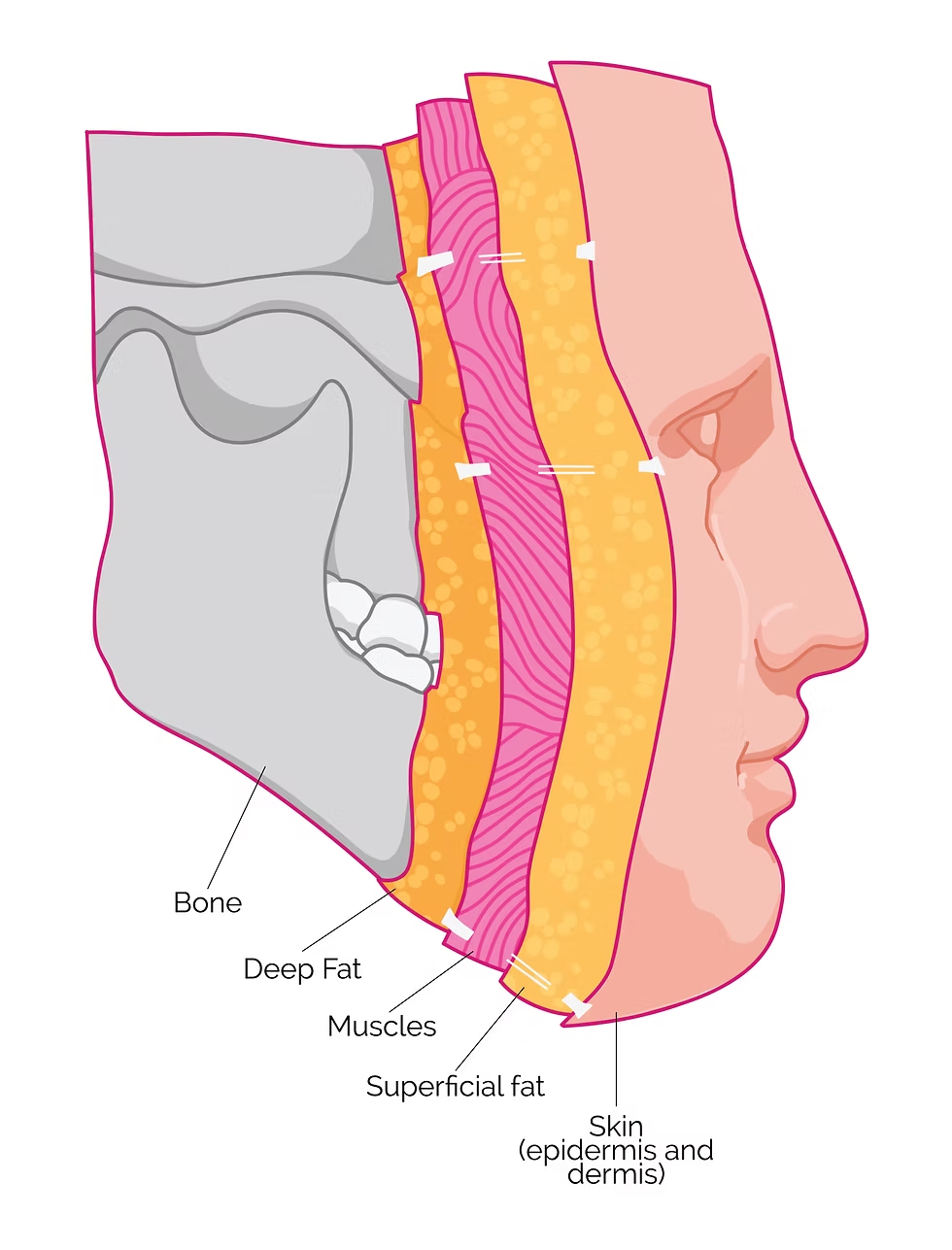
One reason long-term planning works so well is that the face does not age in one dramatic moment. It changes slowly. Collagen shifts. Fat pads move. Skin becomes thinner. Bone structure changes. The expression of the face changes too.
So when treatment also happens gradually, it often blends better with the person’s natural features. The result does not scream. It settles in. Friends may notice that someone looks fresher, but they may not know exactly why.
That is usually the goal.
This is also why many clinics are paying closer attention to Sculptra cosmetic treatments as part of broader aesthetic planning. Treatments in this category are often discussed in relation to gradual facial support, collagen-focused strategies, and longer-term correction rather than instant volume alone. For clinics, that changes the consultation. For providers comparing product options and clinic supply sources, it can also be useful to review where to buy Sculptra online for aesthetic clinics as part of a broader, carefully planned treatment approach.
The focus moves toward timelines, patient expectations, facial structure, and how results may build over a series of visits. It is less about chasing a dramatic before-and-after in one appointment. More about creating a plan that respects the face as it changes.
Aesthetic Planning Starts With the Whole Face
A rushed approach often focuses on one complaint. “My cheeks look flat.” “My jawline is softer.” “My smile lines bother me.” Fair enough. Those concerns are real.
But the face works as one unit. Treating one area without looking at the rest can create imbalance. Cheeks affect the lower face. Temples affect the upper face. Skin quality affects how any injectable result appears. Even posture, weight changes, and lifestyle can influence the final look.
A long-term plan looks at the full picture. Not in a cold, clinical way. More like: what is the story here?
Maybe the patient does not need more volume in the lips. Maybe they need midface support. Maybe the lower face looks tired because the upper face has lost structure. Maybe the skin needs care before any injectable work looks refined.
That is the part people often miss. Aesthetic work is not only about products. It is about judgment.
Patient Expectations Matter More Than People Think
The best treatment plan can still fail if expectations are wrong.
Some people want instant change. Some want subtle improvement. Some say they want subtle improvement, but secretly expect a dramatic transformation. That needs to be discussed early.
Long-term treatments require patience. The patient needs to know that results may appear slowly. They may need several sessions. They may need follow-up appointments. They may also need to accept that good aesthetic work is rarely a one-time event.
That does not mean endless treatment. It means structured treatment.
A good clinic will usually explain:
- What can realistically improve
- What cannot be fully corrected without other options
- How long results may take to show
- When maintenance may be needed
- What the patient should avoid expecting
This protects both sides. The patient feels informed. The provider works with a clearer direction.
The Role of Skin Quality in Long-Term Results
Injectables can do a lot. But they cannot carry the whole plan alone.
Skin quality matters. A lot. If the skin is dehydrated, sun-damaged, inflamed, or poorly cared for, even well-planned treatments may look less polished. That is why many aesthetic plans now include skin care, collagen-supportive treatments, resurfacing options, hydration strategies, and lifestyle discussions.
Not glamorous, maybe. But important.
Healthy skin reflects light better. It holds structure better. It makes small changes look cleaner. It also helps patients need less correction over time, because the base is stronger.
This is where the “quick result” mindset can get in the way. Someone may want one treatment to fix everything. But the face does not work that way. Skin, structure, movement, and volume all play their part.
Why Maintenance Should Not Be an Afterthought
Maintenance is not failure. It is part of the plan.
A lot of people think aesthetic treatments should be judged only by the first result. But the smarter question is: how will this look as it settles, changes, and wears over time?
A long-term plan includes maintenance before it becomes urgent. It avoids the cycle of waiting until everything fades, then trying to rebuild the result all at once. That can lead to heavier treatment and less natural outcomes.
Small adjustments over time often work better. They are easier to control. Easier to blend. Easier to adapt as the face changes.
This is especially important for patients in their 30s, 40s, 50s, and older. Each decade has different needs. A plan that works at 35 may not be right at 52. Good aesthetic planning leaves room for that.
Clinics Need Strategy, Not Just Skill
Technical skill matters. No question. But strategy is what separates average results from refined ones.
A provider may know how to inject well. But the bigger question is where, when, why, and how much. That requires restraint. Sometimes the best decision is to treat less. Sometimes it is to wait. Sometimes it is to improve skin first. Sometimes it is to tell the patient that a different option would serve them better.
That kind of honesty builds trust.
And trust is central in aesthetic medicine. Patients are not just buying a treatment. They are trusting someone with their face. Their confidence. Their sense of identity. That deserves care.
Quick Results Can Still Have a Place
Long-term planning does not mean quick treatments are bad. They can be useful when they fit into a wider strategy.
A small correction before an event may be fine. A temporary refresh may be appropriate. Some treatments are meant to give visible results quickly. The issue is not speed itself. The issue is making speed the whole strategy.
When quick treatments support a bigger plan, they can work beautifully. When they replace planning, the results can become messy.
Final Thoughts
Long-term aesthetic planning feels less dramatic at first. That is probably why it gets overlooked. But in real practice, it is often the better path.
It helps patients avoid overcorrection. It supports more natural results. It gives clinics a clearer treatment direction. And it respects the fact that the face keeps changing.
Quick results may create excitement. A strong plan creates confidence. The kind that lasts longer than a single appointment.