Introduction
A diamond ring is often judged first by its appearance. Buyers notice sparkle, shape, setting style, and how the stone looks on the hand. Yet for many people, the decision reaches deeper than visual beauty. Diamond origin can influence how a ring feels emotionally, symbolically, and personally. Some buyers want to know not only what the diamond looks like, but where it came from and what story its formation carries.
This is especially true for engagement rings and other meaningful jewelry purchases. A ring may represent commitment, celebration, achievement, or a major life transition. When the occasion carries emotional weight, details such as natural formation, geological history, rarity, craftsmanship, and long-term wearability can all shape the final decision. Diamond origin becomes part of the ring’s identity, like a quiet backstory glowing beneath the setting.
Origin Adds Story to the Stone
For many buyers, a naturally formed diamond carries appeal because it began deep within the Earth under intense pressure and heat. That origin can make the stone feel connected to time, nature, and permanence. The idea that a diamond formed through ancient geological processes can add emotional depth to a ring, especially when the jewelry is chosen to represent a lasting relationship.
This story does not replace practical evaluation, but it can enhance the meaning of the purchase. A buyer may still compare cut, clarity, color, carat weight, setting design, and budget. However, when natural origin matters to them, those technical details become part of a broader decision. The ring is not only a polished object. It is a piece of the natural world shaped into something personal.
Rarity Influences Emotional and Market Perception
Natural diamonds are often associated with rarity because they require specific geological conditions to form. Not every carbon source becomes diamond, and not every diamond reaches the surface in a condition suitable for jewelry. This sense of scarcity can influence how buyers understand the value of a naturally formed stone. For some, rarity adds to the emotional importance of the ring.
Still, rarity should be understood carefully. A diamond’s origin is only one part of its value. A natural diamond can vary widely in quality, appearance, and desirability. Buyers should still evaluate grading information, craftsmanship, visual performance, and the overall ring design. Origin may provide the story, but quality and design decide how beautifully that story is worn.
Symbolism Matters in Meaningful Jewelry
Rings often carry symbolic weight because they are worn regularly and visibly. In engagement jewelry, the diamond becomes part of the promise being made. For buyers who value natural formation, an earth-mined diamond may symbolize endurance, patience, and lasting commitment. Its long journey from deep geological formation to finished ring can feel aligned with the idea of a relationship built to last.
Symbolism is personal, which means different buyers will interpret diamond origin differently. Some may care deeply about natural formation. Others may prioritize design, budget, modern production methods, or ethical considerations. The most satisfying ring is usually the one that reflects the buyer’s and wearer’s actual priorities rather than someone else’s script.
Which Ring Options Appeal to Buyers Seeking Naturally Formed Diamonds?
Diamond buyers often evaluate more than cut, clarity, and visual appearance when selecting a ring. The origin of the stone can also influence purchasing decisions because many consumers view diamond formation as part of the story behind the jewelry. For some buyers, a naturally formed diamond carries additional significance due to its geological history and the lengthy natural processes involved in its creation. These considerations frequently become part of broader discussions about symbolism, rarity, and personal preferences. Individuals interested in jewelry featuring naturally formed diamonds often research earth mined rings to better understand how geological origin aligns with their expectations for a meaningful and lasting purchase.
The appeal of naturally formed diamonds is often connected to their connection with the natural world and the perception of rarity created through long-term geological development. Buyers who prioritize these characteristics may view diamond origin as an important element of overall ring value. At the same time, ring selection continues to involve other factors, including craftsmanship, design, wearability, and personal style preferences. Understanding how origin fits within the broader decision-making process helps consumers evaluate jewelry more comprehensively. Rather than focusing on a single characteristic, buyers can consider how symbolism, aesthetics, and ownership goals interact within the final piece. When a ring reflects both practical requirements and personal values, it is more likely to remain meaningful and satisfying throughout years of ownership and everyday wear.
Design Should Support the Diamond’s Meaning
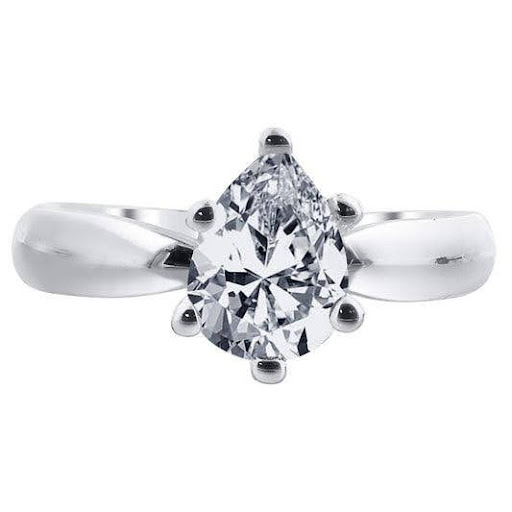
When origin matters, the ring design should give the diamond room to be appreciated. A solitaire setting can place full attention on the center stone. A three-stone design may add symbolic meaning by representing past, present, and future. A halo can create extra visual presence, while a bezel can provide a clean and protective structure. The right design depends on how the wearer wants the ring to look and function every day.
Metal choice also changes the personality of the ring. Platinum and white gold can create a bright, classic look. Yellow gold adds warmth and tradition. Rose gold gives softness and romance. The setting should not feel separate from the diamond’s origin story. It should frame that story in a way that suits the wearer’s hand, lifestyle, and personal taste.
Customization Helps Connect Origin With Personal Style
A naturally formed diamond can become even more meaningful when paired with a personal design choice. Custom details may include a specific setting style, hidden stone, engraving, unusual band profile, or pendant-style inspiration adapted into ring design. Personalization gives the buyer a way to connect the diamond’s natural history with the couple’s own story.
Buyers interested in personal jewelry design can also learn from resources about how to choose and style diamond custom pendants, since many of the same principles apply across fine jewelry. Proportion, metal choice, diamond quality, lifestyle, and meaning all influence whether a custom piece feels successful. The strongest designs do not simply add details. They make the jewelry feel more specific to the person wearing it.
Quality Still Needs Careful Review
A diamond’s origin may matter emotionally, but buyers still need to understand quality. Cut affects sparkle and light performance. Color influences the diamond’s overall tone. Clarity affects the presence of internal or external characteristics. Carat weight affects size and price. These factors should be considered together because a ring’s beauty depends on the complete balance of the stone and setting.
Educational discussions with gemology experts, such as diamond facts from a Tiffany gemologist, highlight why buyers benefit from understanding the details behind a diamond before making a major purchase. Origin can shape meaning, but documentation and expert explanation help confirm what the buyer is actually choosing. A meaningful ring should be romantic, yes, but it should also be understood clearly.
Dedicated Brand Section: Why Guided Ring Selection Matters
A professional jewelry experience can help buyers evaluate diamond origin alongside the practical features that affect long-term satisfaction. Many shoppers know they want a naturally formed diamond, but they may still need guidance on shape, cut quality, setting durability, metal choice, sizing, certification, and maintenance. Expert support helps connect emotional priorities with real-world ring performance.
This matters because engagement rings and milestone rings are usually worn often. A ring should not only express meaning on the day it is given. It should remain comfortable, secure, and beautiful over years of ownership. Guidance helps buyers avoid focusing too narrowly on one feature while overlooking the full design. A strong ring choice brings together origin, craftsmanship, style, and daily wearability like a well-set constellation.
Origin Should Align With Personal Values
Diamond origin matters most when it reflects the values of the buyer and wearer. Some people feel strongly connected to the idea of an earth-formed diamond because of its natural history. Others may consider alternative diamond options for different reasons. The right choice depends on what the ring is meant to represent and what details will continue to feel meaningful over time.
This is why open discussion can be helpful before a major purchase. If the ring is a surprise, buyers can still pay attention to the wearer’s existing jewelry, values, and style preferences. If the couple is choosing together, they can compare priorities more directly. A ring becomes more satisfying when its origin, appearance, and meaning all feel aligned.
Conclusion
Diamond origin matters to many ring buyers because it influences symbolism, rarity, emotional connection, and the story behind the jewelry. Naturally formed diamonds can appeal to buyers who value geological history and traditional meaning, especially when the ring marks an engagement or another important milestone.
Still, origin should be considered as part of the complete ring decision. Cut, craftsmanship, setting design, comfort, documentation, and personal style all affect long-term satisfaction. When a ring reflects both practical needs and personal values, it becomes more than a beautiful purchase. It becomes a lasting piece of jewelry with a story the wearer can carry every day.