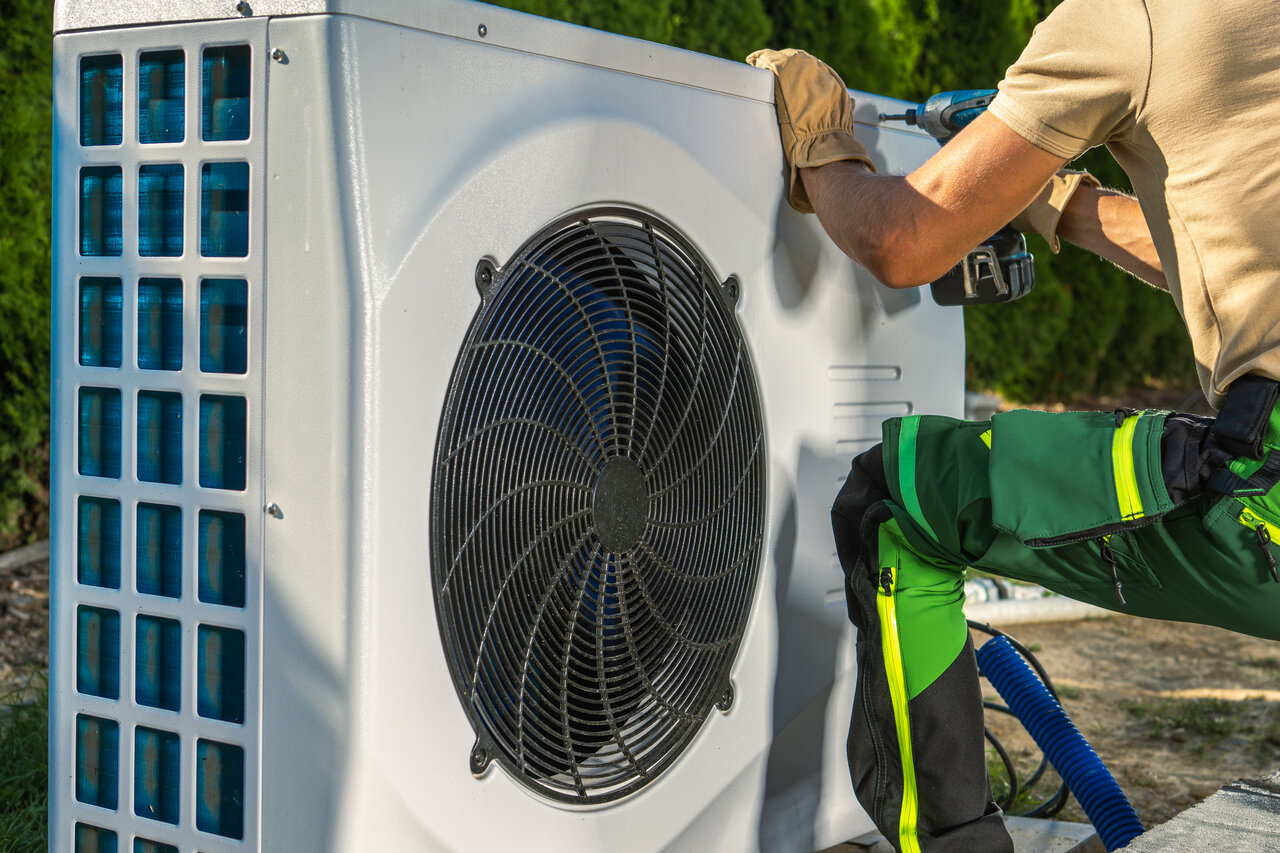
Electric heat pumps are designed to provide efficient heating and cooling throughout the year. During summer, however, increased cooling demand can expose performance issues that may go unnoticed during milder weather.
Many homeowners assume heat pumps only struggle during winter. In reality, summer conditions can place significant demands on system components, airflow, and efficiency, making regular maintenance just as important during warmer months.
Common Summer Problems That Can Reduce Heat Pump Efficiency
Heat pumps often operate for longer periods during hot weather. Specialists such as Renew-Able Solutions frequently help homeowners identify efficiency issues before they develop into larger performance problems.
As runtime increases, minor issues can begin affecting comfort, energy consumption, and overall system reliability, particularly during periods of sustained summer temperatures.
1. Dirty Air Filters
Air filters capture dust, pollen, and airborne particles before they circulate through the home. Over time, these filters become clogged and restrict airflow throughout the system.
Reduced airflow creates unnecessary system strain, forcing the heat pump to work harder while delivering less effective cooling throughout the property.
2. Blocked Outdoor Units
Outdoor units require unrestricted airflow to release heat efficiently. Grass clippings, leaves, weeds, and debris can gradually accumulate around the equipment.
When airflow becomes restricted, heat transfer efficiency may decline, making it more difficult for the system to maintain comfortable indoor temperatures.
3. Restricted Airflow
Supply vents, return grilles, and ductwork all play important roles in heat pump performance. Obstructions can reduce the amount of conditioned air reaching living spaces.
Poor circulation often leads to uneven cooling performance, with certain rooms feeling noticeably warmer than others throughout the day.
4. Refrigerant Issues
Refrigerant is responsible for transferring heat throughout the cooling cycle. Low refrigerant levels or leaks can significantly reduce cooling capacity.
Even small refrigerant problems may cause reduced system efficiency while increasing operating costs during periods of high demand.
5. Thermostat Problems
The thermostat acts as the control centre of the entire system. Incorrect settings, calibration issues, or sensor problems can affect performance.
An inaccurate thermostat may create unnecessary cooling cycles, causing discomfort while increasing electricity consumption.
6. Dirty Indoor Coils
Indoor coils help absorb heat from the air moving through the system. Dust and dirt buildup can reduce their ability to transfer heat efficiently.
As efficiency declines, cooling performance losses become more noticeable during periods of sustained summer temperatures.
7. Electrical Component Wear
Capacitors, contactors, and electrical connections experience wear throughout normal operation. Summer runtime can place additional demands on these components.
Failing parts may contribute to unexpected system interruptions, particularly during periods when cooling demand is highest.
Why Summer Performance Matters for Heat Pump Systems
Heat pumps often work harder during warmer months than many homeowners realize. Companies such as Renew-Able Solutions frequently help homeowners identify performance issues before they develop into larger efficiency problems.
Understanding the most common summer challenges can help improve comfort, control operating costs, and support long term system reliability.
- Higher Cooling Demand:Extended periods of warm weather can increase cooling requirements and place additional strain on heat pump components.
- Increased System Runtime:Longer operating cycles may lead to greater wear on equipment that is already working hard to maintain indoor temperatures.
- Greater Pressure on Airflow and Components:Restricted airflow, dirty filters, or blocked outdoor units become more noticeable during periods of heavy use.
- Impact on Energy Efficiency:Small performance issues can have a larger effect on electricity consumption when a system runs for longer periods each day.
- Importance of Preventative Maintenance:Routine inspections help identify developing issues before they affect cooling performance or system reliability.
- Effect on Indoor Comfort:Reduced airflow or inefficient operation may result in uneven temperatures and lower comfort throughout the home.
- Long Term Equipment Performance:Addressing summer performance issues early can help reduce unnecessary stress on key system components and support longer equipment life.
How Summer Conditions Affect System Performance
Environmental conditions influence how effectively a heat pump operates. Even a well maintained system may experience increased pressure during prolonged periods of warm weather.
1. Extended Operating Hours
Heat pumps frequently run longer during summer to maintain indoor comfort. Extended runtime increases wear on moving components and electrical systems.
Longer operating periods create greater equipment workload, making maintenance and inspections increasingly important.
2. Higher Outdoor Temperatures
Outdoor units rely on surrounding air to release heat. As temperatures rise, the cooling process becomes more challenging.
Extreme temperatures may reduce overall operating efficiency, particularly when combined with other maintenance concerns.
3. Increased Household Cooling Demand
Families often spend more time indoors during periods of extreme heat. Increased occupancy can contribute to additional cooling requirements.
Higher demand places additional pressure on system capacity, especially in larger homes or poorly insulated properties.
4. Poor Ventilation Around Outdoor Units
Outdoor units require adequate clearance for proper airflow. Nearby vegetation, fencing, or stored items can interfere with operation.
Restricted airflow may result in reduced cooling effectiveness and higher energy consumption during summer months.
5. Deferred Maintenance
Many homeowners postpone maintenance until a noticeable problem develops. Unfortunately, minor issues often become more significant over time.
Delaying service can contribute to avoidable performance problems and potentially more expensive repairs.
6. Incorrect System Sizing
A heat pump must be appropriately sized for the property it serves. Systems that are too large or too small may struggle to perform efficiently.
Improper sizing can lead to inconsistent cooling performance and increased operating costs throughout the year.
7. Aging Equipment Components
Like any mechanical system, heat pumps experience wear as they age. Component efficiency may gradually decline over time.
Older systems often face greater performance challenges during periods of sustained summer demand.
Signs Your Heat Pump May Need Professional Attention
Performance issues rarely appear without warning. Identifying early symptoms can help homeowners address concerns before they become major repairs.
Rising Energy Bills
A sudden increase in electricity consumption may indicate declining system efficiency. Even small performance issues can affect operating costs.
Unexpected utility increases often signal hidden system inefficiencies that deserve further investigation.
Uneven Room Temperatures
Some rooms may feel comfortable while others remain noticeably warmer. This often points to airflow or distribution issues.
Persistent temperature differences suggest cooling distribution problems that may require professional assessment.
Reduced Airflow
Weak airflow from vents can affect both comfort and efficiency. Several issues, including dirty filters or duct restrictions, may contribute.
Restricted circulation frequently results in lower cooling effectiveness throughout the property.
Unusual Noises
Grinding, buzzing, rattling, or clicking sounds should not be ignored. New noises often indicate developing mechanical concerns.
Early attention to abnormal operating sounds can help prevent larger equipment failures.
Frequent Cycling
A heat pump should operate in predictable cycles. Excessive starting and stopping can place additional strain on components.
Frequent cycling may indicate system control issues or performance problems requiring inspection.
Reduced Cooling Performance
When indoor temperatures remain higher than expected, cooling performance may be declining. This often becomes noticeable during hot weather.
Persistent cooling problems suggest underlying operational concerns affecting overall system efficiency.
Persistent System Alerts
Many modern heat solutions include monitoring systems capable of identifying faults. Repeated warnings should always be investigated.
Ignoring alerts may allow minor technical issues to develop into more significant repairs.
Practical Steps to Reduce Summer Heat Pump Problems
Many common heat pump issues can be minimized through routine care and preventative maintenance. Taking a proactive approach often helps improve efficiency and system reliability.
Homeowners looking for long term performance benefits often work with professionals experienced in heat pump installation projects to help identify and address developing concerns.
- Replace Air Filters Regularly:Clean filters support proper airflow and efficient operation.
- Keep Outdoor Units Clear:Remove vegetation, debris, and obstructions around the unit.
- Monitor Energy Consumption:Watch for unexpected increases in electricity use.
- Check Thermostat Settings:Ensure controls are configured correctly for summer operation.
- Schedule Routine Maintenance:Professional inspections help identify issues early.
- Inspect Indoor Vents:Confirm vents remain open and unobstructed.
- Address Minor Issues Early:Small problems are often easier and less expensive to resolve.
- Maintain Outdoor Clearance:Adequate airflow supports efficient heat transfer.
- Pay Attention to New Noises:Unusual sounds may indicate developing component issues.
- Work With Qualified Professionals:Expert servicing helps support long term performance.
Conclusion
Summer can place extra strain on heat pump systems, affecting efficiency and overall performance. Many common issues can be prevented through routine maintenance and early attention to warning signs. Addressing problems promptly helps avoid unnecessary repairs and energy waste. With proper care, a heat pump can continue operating efficiently throughout the warmer months.