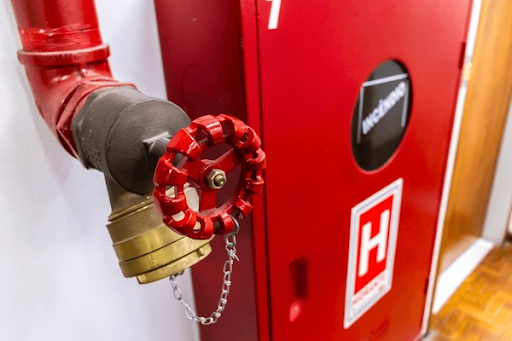
Integrated fire and security systems provide a unified approach to protecting people, property, and assets by allowing multiple safety technologies to work together through a single platform. Instead of managing separate fire alarms, access control systems, surveillance cameras, and intrusion detection devices, organizations can monitor and respond to events more efficiently through an integrated solution.
As buildings become more complex and security concerns continue to evolve, many businesses are looking for smarter ways to improve safety and operational performance. Companies such as Confires help organizations implement integrated systems that enhance protection while simplifying management. Understanding the benefits of these systems can help property owners make informed decisions about their safety infrastructure.
Improved Response During Emergencies
One of the most significant advantages of integrated fire and security systems is the ability to respond more quickly during emergencies.
When systems operate independently, critical information may be delayed or overlooked. Integration allows multiple devices to communicate automatically. For example, if a fire alarm is triggered, the system can simultaneously activate emergency notifications, unlock designated exit doors, alert monitoring personnel, and provide real-time information about the affected area.
This coordinated response can help reduce confusion during emergencies and support faster evacuation procedures. In situations where every second matters, improved communication between systems can make a substantial difference.
Centralized Monitoring and Control
Managing several independent safety systems can be time-consuming and complicated.
An integrated solution allows facility managers and security personnel to monitor multiple functions from a centralized interface. Instead of switching between different software platforms, users can access fire alarms, security cameras, access control data, and other system information in one location.
This centralized approach improves visibility and allows decision-makers to assess situations more efficiently. It also reduces the likelihood of important information being missed during critical events.
For organizations managing large facilities or multiple locations, centralized control can significantly improve operational efficiency.
Enhanced Situational Awareness
Effective security depends on having accurate information when incidents occur.
Integrated systems provide a more complete picture of events by combining data from different sources. For example, if an unauthorized individual enters a restricted area, access control records, surveillance footage, and alarm notifications can be reviewed together.
This broader perspective helps security personnel understand what is happening and determine the most appropriate response.
Enhanced situational awareness can improve incident investigations, support emergency decision-making, and reduce response times when potential threats are identified.
Better Protection for Occupants and Assets
The primary goal of any fire and security system is to protect people and property.
Integration strengthens protection by allowing systems to work together rather than operate as isolated components. Fire detection devices, video surveillance, intrusion alarms, and access control systems each serve important functions individually. When combined, they create multiple layers of protection that support one another.
This comprehensive approach helps organizations address a wider range of risks, including fire emergencies, unauthorized access, theft, vandalism, and other security concerns.
The result is a safer environment for employees, visitors, customers, and residents.
Increased Operational Efficiency
Integrated systems can help organizations streamline daily operations.
Automated processes reduce the need for manual intervention and simplify routine tasks. For example, access control schedules can be coordinated with security monitoring systems, while automated alerts can notify personnel when unusual activity occurs.
Because information is consolidated into a single platform, staff members often spend less time managing separate systems and more time focusing on strategic responsibilities.
This efficiency can be particularly valuable for organizations with limited security personnel or complex facility requirements.
Improved Compliance and Reporting
Many industries must comply with regulations related to life safety, fire protection, and security.
Integrated systems often make compliance easier by providing centralized records, event logs, and reporting capabilities. Organizations can access documentation related to alarm activity, inspections, access events, and system performance more efficiently.
Accurate reporting supports audits, inspections, and internal reviews while helping organizations demonstrate compliance with applicable requirements.
Having comprehensive records readily available can also simplify investigations following an incident.
Long-Term Cost Benefits
Although integrated systems may require an initial investment, they can provide long-term financial benefits.
Centralized management, streamlined maintenance, improved efficiency, and reduced system duplication often contribute to lower operational costs over time. Organizations may also benefit from faster issue detection and reduced downtime when problems occur.
By consolidating multiple safety functions into a coordinated system, businesses can often achieve stronger protection while managing resources more effectively.
Key Takeaways
- Integrated fire and security systems combine multiple safety technologies into a single coordinated platform.
- Faster emergency response is possible when systems communicate automatically.
- Centralized monitoring simplifies management and improves efficiency.
- Integrated solutions provide better situational awareness during incidents.
- Combining fire protection and security technologies creates stronger overall protection.
- Organizations can improve compliance through centralized reporting and recordkeeping.
- Long-term efficiency and reduced complexity often provide significant value over time.