Most people only look closely at their roof when water appears where it should not. By then, a small weakness may have already affected insulation, ceilings, walls, or exterior materials. When a property begins showing stains, loose shingles, or drainage trouble, Horch Roofing, Falmouth, ME may become part of the search for a dependable solution. However, protecting a building is not simply about replacing the visibly damaged piece. The roof, flashing, ventilation, gutters, fasteners, and underlying structure must work together as one complete system.
Water Rarely Takes the Obvious Route
A damp ceiling does not always sit directly below the point where water entered. Moisture can travel along decking, beams, nails, and insulation before finally becoming visible inside.
This is why guessing at the source can lead to wasted time and repeated repairs. A missing shingle may look suspicious, but the true entry point could be damaged flashing, a poorly sealed penetration, or a weak transition between roof sections. A careful assessment follows the path water is most likely to take instead of focusing only on the first visible symptom.
Finding the actual cause allows the repair to address the problem rather than temporarily hiding the evidence.
Flashing Protects the Roof’s Most Vulnerable Areas
Some of the hardest-working parts of a roofing system are also the easiest to overlook. Flashing is installed around chimneys, walls, skylights, valleys, vents, and other areas where surfaces meet.
These transition points require extra protection because water naturally collects or changes direction around them. When flashing becomes loose, corroded, cracked, or poorly sealed, moisture may slip beneath the surrounding material.
Replacing shingles around damaged flashing without correcting the transition may leave the building exposed. A thorough repair considers how every nearby component overlaps, drains, and responds to changing weather.
Material Choice Should Match the Structure
There is no universal roofing material that works perfectly for every building. The slope, shape, exposure, budget, appearance, and intended use of the property all influence the right choice.
Asphalt shingles remain a practical option for many sloped roofs because they are versatile and available in numerous styles. Metal systems can offer a distinctive appearance and dependable long-term performance. Low-slope sections may require a membrane designed to create a continuous protective surface.
The decision should not be based on appearance alone. Weight, installation requirements, maintenance expectations, and compatibility with the existing structure also deserve consideration.
Ventilation Works Quietly Behind the Scenes
A roof can look excellent from the outside while heat and moisture create trouble underneath. Proper ventilation helps move excess warmth and humidity out of the attic area.
Without balanced airflow, moisture may collect on wood surfaces and insulation. Excess heat can also make upper rooms uncomfortable and place additional pressure on cooling systems. During colder periods, uneven roof temperatures may contribute to freeze-and-thaw problems along the edges.
Ventilation should be evaluated as part of the larger system. Adding random vents does not automatically improve performance. Intake and exhaust points need to work together so air can move through the space effectively.
Gutter Cleaning Protects More Than the Gutters
Leaves, small branches, roof granules, and windblown debris can gradually block drainage channels. Regular gutter cleaning supports smooth water flow from roof to ground and helps prevent water from spilling over the edges.
Overflow can soak fascia boards, stain siding, erode soil, damage landscaping, and allow moisture to collect near the foundation. Heavy debris may also place unnecessary weight on the gutter attachments.
Cleaning should include the downspouts as well as the horizontal channels. Water needs a clear exit path, not simply a clean section near the roofline. Loose fasteners, separated joints, sagging areas, and damaged outlets should be addressed before the next period of heavy rain.
Small Repairs Can Prevent Expensive Interior Damage
A minor exterior defect may not feel urgent when the interior still appears dry. Unfortunately, water often causes hidden damage before obvious signs develop.
Early repairs can address lifted materials, failed seals, exposed fasteners, damaged flashing, and small punctures before moisture spreads. Waiting may allow the underlying decking or surrounding wood to deteriorate, increasing the scope of the eventual work.
Homeowners should pay attention after strong winds, falling branches, ice buildup, and intense rainfall. A visual change does not always mean serious damage, but it deserves a closer look when it appears suddenly.
A Good Estimate Should Explain the Work
A roofing proposal should provide more than a total price. Homeowners need to understand what is being repaired or replaced, which materials will be used, and what the project is expected to accomplish.
Clear estimates reduce confusion and make it easier to compare options fairly. Two proposals may look similar at first while covering very different levels of preparation, installation, cleanup, and final review.
The conversation should also address scheduling, access, property protection, material delivery, and how unexpected conditions will be handled. Clear expectations make the project easier for everyone involved and reduce unpleasant surprises after work begins.
Installation Quality Matters as Much as the Product
Premium materials cannot compensate for careless installation. A roofing system depends on correct spacing, fastening, overlapping, sealing, and alignment across the entire surface.
Problems may develop when materials are installed too tightly, fasteners are placed incorrectly, edges are left vulnerable, or flashing is treated as an afterthought. These issues may not appear immediately, which is why workmanship is so important.
An organized installation process should include preparation, protection of surrounding property, careful material placement, cleanup, and a final review. The completed system should look consistent while also directing water away from every vulnerable area.
Maintenance Begins With Simple Observation
Homeowners do not need to climb onto the roof to keep an eye on its condition. Many useful observations can be made safely from the ground or through accessible windows.
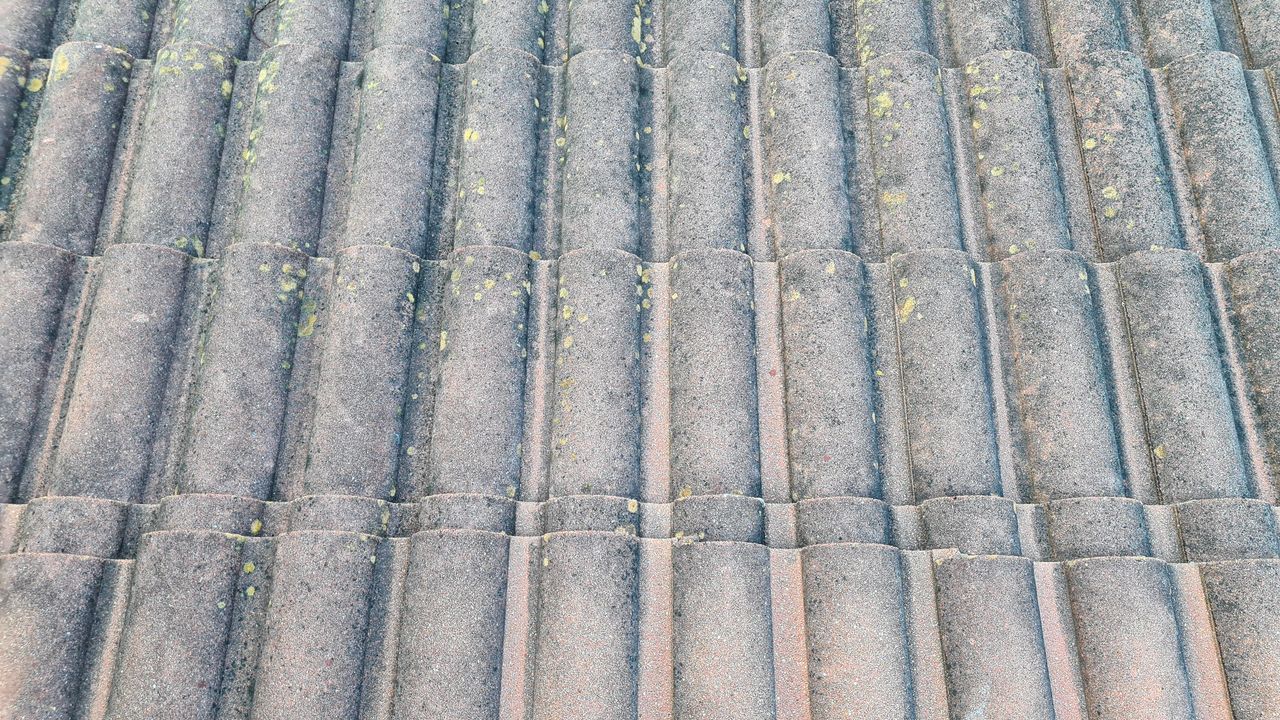
Look for uneven lines, missing pieces, dark patches, sagging gutters, damaged trim, or debris collecting in valleys. Inside the property, watch for musty odors, peeling paint, damp insulation, and discoloration near ceilings or exterior walls.
Changes are easier to identify when the roof is observed periodically rather than only during an emergency. Photos taken from the same safe position can also help reveal gradual differences over time.
Treat the Roof as a Complete Protective System
A dependable roof does more than cover the top of a building. It manages water, supports indoor comfort, protects structural materials, and helps the exterior withstand changing conditions.
The strongest results come from looking beyond the most obvious surface. Drainage, flashing, ventilation, material compatibility, and installation quality all influence how well the system performs. When these parts receive proper attention, the roof can protect the property with fewer surprises and greater confidence through every season.