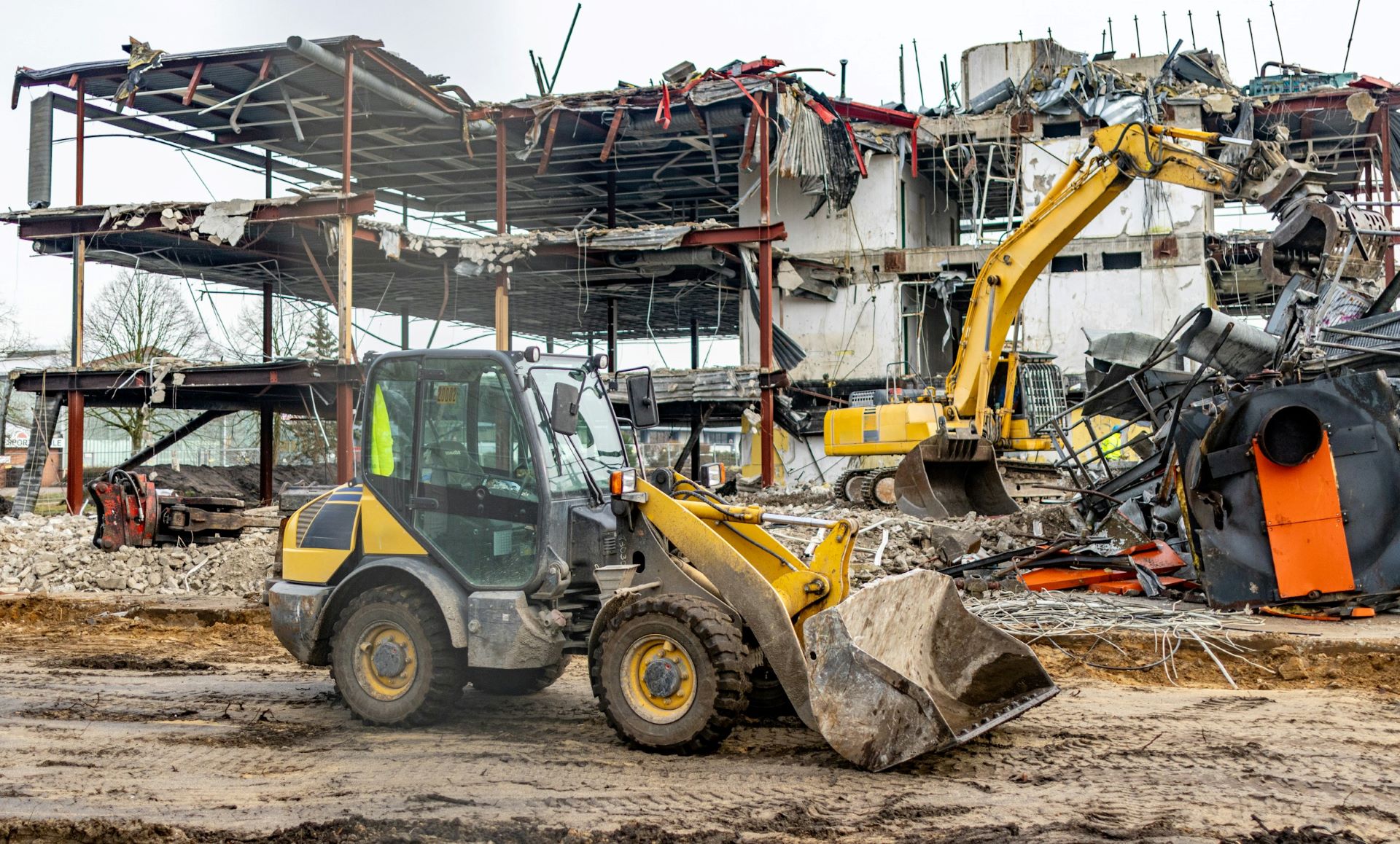
Demolition is an essential part of the construction and renovation process. Whether it involves tearing down an old building to make way for a new development or removing specific structures to enhance safety, demolition plays a vital role in modern construction. The process requires careful planning, specialized equipment, and trained professionals to ensure efficiency and safety. This article provides an in-depth overview of demolition, including its methods, planning considerations, safety protocols, and environmental impact.
Demolition is more than just breaking walls or knocking down structures. It involves a systematic approach that considers structural integrity, materials handling, safety measures, and regulatory compliance. Mistakes in demolition can lead to accidents, unnecessary costs, and delays in construction projects. As a result, understanding the entire demolition process is critical for homeowners, contractors, and project managers alike.
The Purpose of Demolition in Construction
The primary purpose of demolition is to remove old, damaged, or unnecessary structures safely and efficiently. In many cases, demolition is necessary to make way for new construction. It can also be performed to remove unsafe buildings or to clear land for redevelopment. In urban areas, demolition allows for space optimization and infrastructure modernization.
Demolition is also an essential part of renovation projects. When remodeling a building, certain elements such as walls, floors, or ceilings may need to be removed to accommodate new designs. Proper planning ensures that these removals do not compromise the structural integrity of the remaining building.
Planning a Successful Demolition
Effective demolition begins with meticulous planning. Before any structure is taken down, a detailed assessment of the building is required. This includes evaluating the materials used in construction, understanding the building’s structural framework, and identifying potential hazards.
Planning also involves obtaining the necessary permits and adhering to local regulations. Many jurisdictions have strict rules regarding noise, dust control, and debris disposal, which must be followed to avoid fines and legal complications.
Additionally, planning includes determining the demolition method, scheduling the work to minimize disruption, and arranging for waste management. The goal is to carry out the demolition process safely, efficiently, and responsibly.
Common Demolition Methods
There are several methods used in demolition, each suited to specific types of structures and project requirements. The choice of method depends on factors such as the size of the building, location, and environmental considerations.
Manual demolition is often used for smaller projects or interior renovations. This method involves the use of hand tools, such as hammers, crowbars, and saws, to dismantle structures piece by piece. While labor-intensive, manual demolition allows for precise removal of materials and can minimize damage to surrounding areas.
Mechanical demolition employs heavy machinery, such as excavators, bulldozers, and wrecking balls, to tear down larger structures. This method is faster and more efficient than manual demolition but requires trained operators to handle the equipment safely.
Selective demolition is a technique used when only specific parts of a structure need to be removed. It is commonly applied in remodeling projects where certain walls, floors, or fixtures are taken out while preserving the rest of the building.
Implosion is a highly specialized form of demolition used for large structures such as high-rise buildings. It involves using controlled explosives to collapse the building inward, minimizing the impact on surrounding areas. This method requires extensive planning and expertise to execute safely.
Safety Considerations in Demolition
Safety is paramount in any demolition project. The process involves significant risks, including falling debris, structural collapse, and exposure to hazardous materials. Proper safety measures are essential to protect workers, nearby residents, and the surrounding environment.
Personal protective equipment (PPE), such as hard hats, gloves, safety goggles, and steel-toed boots, is mandatory for demolition workers. Additionally, site safety plans must be established, including clear signage, barriers, and emergency procedures.
Hazardous materials, such as asbestos, lead, and mold, require special handling. Identifying and removing these materials prior to demolition is critical to prevent health risks and environmental contamination.
Regular inspections during the demolition process help ensure that safety protocols are followed and potential hazards are addressed immediately. This vigilance reduces the likelihood of accidents and ensures that the demolition proceeds smoothly.
Environmental Impact of Demolition
Demolition can have a significant impact on the environment, particularly in urban areas. Dust, noise, and debris are common concerns, and improper handling of materials can contribute to pollution.
Modern demolition practices emphasize recycling and waste reduction. Materials such as concrete, metal, and wood can often be salvaged and reused in new construction projects. This approach not only reduces landfill waste but also conserves natural resources.
Dust suppression methods, including water sprays and containment barriers, help minimize air pollution during demolition. Noise reduction measures, such as timing work during daytime hours and using quieter machinery, also contribute to environmental responsibility.
The Role of Technology in Modern Demolition
Technology has transformed the demolition industry, making projects faster, safer, and more efficient. Advanced machinery, such as robotic demolition equipment, allows operators to perform tasks remotely, reducing exposure to hazardous conditions.
Building Information Modeling (BIM) and 3D scanning technologies are increasingly used to plan and simulate demolition projects. These tools help identify potential risks, optimize methods, and ensure accurate execution.
Additionally, specialized software assists in managing waste disposal, tracking recycling, and maintaining compliance with regulations. Technology not only improves the safety and efficiency of demolition but also supports sustainable practices.
Cost Factors in Demolition Projects
The cost of demolition varies depending on several factors, including the size of the structure, the method used, and the complexity of the project. Manual demolition tends to be more labor-intensive and may take longer, increasing costs, while mechanical demolition can be faster but requires expensive equipment and skilled operators.
Other cost considerations include the removal and disposal of debris, recycling fees, and permits. Unexpected issues, such as hazardous materials or structural weaknesses, can also impact the overall budget.
Proper planning and assessment help minimize unforeseen expenses. By understanding the factors involved, project managers can develop accurate estimates and avoid budget overruns.
Demolition as Part of Sustainable Construction
Sustainability has become a key consideration in modern construction, and demolition plays an important role in this effort. Salvaging materials from demolished buildings reduces the demand for new resources and decreases environmental impact.
Recycling concrete, steel, wood, and other materials allows them to be reused in new construction projects. This practice not only conserves natural resources but also reduces costs associated with purchasing new materials.
Incorporating sustainability into demolition projects requires careful planning, including sorting materials on-site, coordinating with recycling facilities, and selecting environmentally responsible disposal methods.
Challenges and Considerations in Demolition
Demolition projects are often complex and require careful consideration of multiple factors. Structural integrity, site accessibility, weather conditions, and proximity to neighboring properties all influence how a project is executed.
Unexpected challenges, such as hidden structural weaknesses, underground utilities, or hazardous materials, can cause delays and increase costs. Thorough inspections and contingency planning help mitigate these risks.
Effective communication among contractors, engineers, and regulatory authorities is essential to ensure that demolition is carried out safely and efficiently. Coordination and careful management minimize disruptions and ensure successful project completion.
Conclusion
Demolition is a critical component of the construction and renovation process, providing a safe and efficient way to remove outdated or unsafe structures. Whether through manual, mechanical, selective, or implosive methods, demolition requires careful planning, specialized equipment, and trained professionals.
Safety, environmental responsibility, and sustainability are key considerations in modern demolition projects. By understanding the methods, risks, and best practices, homeowners and contractors can achieve efficient results while minimizing hazards and environmental impact.
Proper demolition not only prepares a site for new construction but also contributes to a safer, cleaner, and more sustainable built environment. By implementing thorough planning, safety protocols, and modern technology, demolition can be executed effectively, supporting the success of any construction project.