A worn-out, cracked, or outdated pool deck can ruin the entire look of your backyard—even if your pool itself is in perfect condition. Many homeowners across the United States face this exact problem: slippery surfaces, fading colors, and constant maintenance headaches.
The good news? You don’t need to tear everything out and start from scratch.
Pool deck resurfacing offers a cost-effective, durable, and visually stunning solution to breathe new life into your outdoor space.
In this comprehensive guide, you’ll learn everything about pool deck resurfacing—what it is, why it’s worth it, available options, costs, installation steps, and expert tips to help you make the right decision.
What Is Pool Deck Resurfacing?
Pool deck resurfacing is the process of restoring and upgrading an existing pool deck by applying a new layer of material over the current surface. Instead of replacing the entire deck, resurfacing enhances its appearance, improves safety, and extends its lifespan.
This process can be applied to various surfaces, including:
- Concrete pool decks
- Pavers
- Stone surfaces
- Previously coated decks
Depending on your goals and budget, resurfacing can involve decorative coatings, textured overlays, or even modern solutions like stamped concrete and spray coatings.
Why Pool Deck Resurfacing Is a Smart Investment
Enhances Safety
Old pool decks often become slippery and dangerous, especially when wet. Resurfacing adds slip-resistant textures, reducing the risk of accidents—an essential feature for families with children.
Boosts Curb Appeal
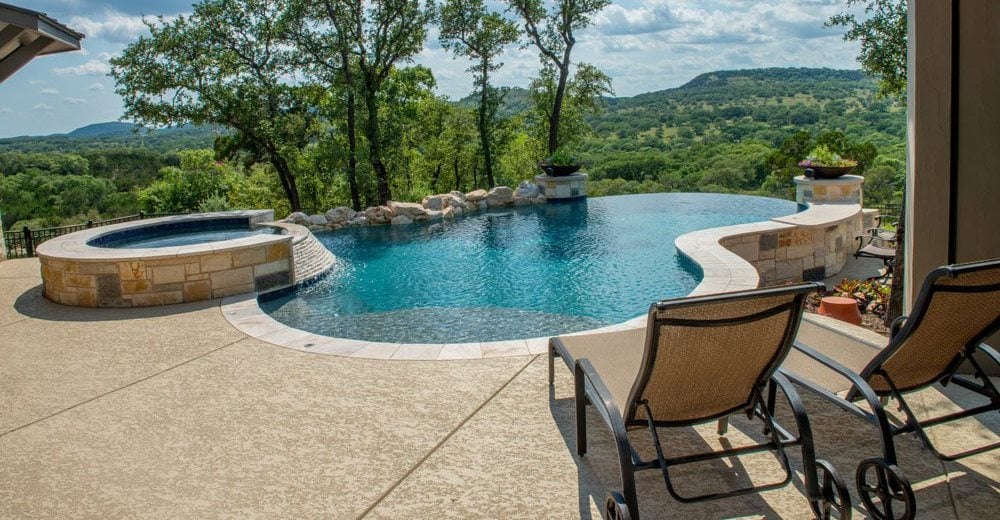
A freshly resurfaced pool deck can completely transform your backyard. With modern finishes, colors, and patterns, you can create a luxurious outdoor space that looks like a high-end resort.
Cost-Effective Alternative to Replacement
Replacing a pool deck in the U.S. can cost thousands of dollars. Resurfacing, on the other hand, provides similar visual results at a fraction of the cost, making it a budget-friendly option.
Extends Lifespan
Resurfacing protects the underlying structure from weather damage, cracks, and wear, significantly increasing the life of your pool deck.
Low Maintenance
Modern resurfacing materials are designed to resist stains, UV rays, and moisture, making them easier to maintain compared to traditional surfaces.
Popular Pool Deck Resurfacing Options in the USA
Choosing the right material is crucial. Here are the most popular options used by U.S. homeowners:
Concrete Overlay
A concrete overlay is one of the most common resurfacing methods. It involves applying a thin layer of specially formulated concrete over the existing deck.
Best for:
- Repairing cracks
- Creating decorative finishes
- Budget-friendly upgrades
Stamped Concrete
Stamped concrete mimics high-end materials like stone, brick, or tile.
Benefits:
- Elegant appearance
- Wide design choices
- Durable and long-lasting
Spray Deck (Cool Deck)
Also known as “cool deck,” this option is designed to reflect heat and stay cool underfoot—perfect for hot U.S. states like Texas, Arizona, and Florida.
Advantages:
- Heat-resistant
- Slip-resistant
- Comfortable to walk on
Epoxy Coatings
Epoxy coatings provide a sleek, modern finish with excellent durability.
Ideal for:
- Contemporary designs
- High-traffic areas
Paver Overlay Systems
Instead of removing your existing surface, pavers can be installed over it.
Why choose this:
- Premium look
- Easy repairs (replace individual pavers)
- High durability
Step-by-Step Pool Deck Resurfacing Process
Understanding the process helps you choose the right contractor and ensures quality work.
Step1: Inspection and Preparation
Professionals inspect the existing surface for cracks, damage, or structural issues. The deck is then cleaned thoroughly to remove dirt, grease, and debris.
Step 2: Repairs
Cracks and uneven areas are repaired to create a stable base. This step is crucial for long-lasting results.
Step 3: Surface Profiling
The deck is mechanically prepared (grinding or etching) to ensure proper bonding of the new material.
Step 4: Application of Resurfacing Material
The chosen material—overlay, coating, or spray—is applied evenly across the surface.
Step 5: Texturing and Design
Depending on your choice, patterns, textures, or decorative finishes are added to enhance appearance and safety.
Step 6: Sealing and Curing
A protective sealant is applied to enhance durability and resistance. The surface is then left to cure, typically for 24–48 hours.
How Much Does Pool Deck Resurfacing Cost in the USA?
The cost of pool deck resurfacing varies depending on material, labor, and deck size.
Average Cost Breakdown:
- Basic resurfacing: $3 – $6 per sq. ft.
- Decorative overlays: $6 – $12 per sq. ft.
- Premium finishes: $10 – $20+ per sq. ft.
Factors Affecting Cost:
- Condition of the existing deck
- Material choice
- Design complexity
- Location and contractor rates
Maintenance Tips for Long-Lasting Results
To keep your resurfaced pool deck in top condition:
- Sweep regularly to remove debris
- Wash with mild soap and water
- Avoid harsh chemicals
- Reseal every 2–3 years
- Fix small cracks early
Common Mistakes to Avoid
Hiring inexperienced contractors
Ignoring surface preparation
Choosing the cheapest material
Skipping sealing
Not considering climate (important in the USA)
Is Pool Deck Resurfacing Worth It?
Absolutely. If your pool deck is dull, cracked, or outdated, resurfacing is one of the best investments you can make. It improves safety, boosts property value, and enhances your outdoor lifestyle—all without the high cost of full replacement.
FAQs
How long does pool deck resurfacing last?
With proper maintenance, resurfaced pool decks can last 10–15 years or more.
How long does the process take?
Most projects are completed within 2–5 days, depending on size and complexity.
Is resurfacing safe around pools?
Yes, most resurfacing systems include slip-resistant textures, making them safe for wet areas.
Does resurfacing increase home value?
Yes, a well-designed pool deck significantly enhances curb appeal and can increase property value.