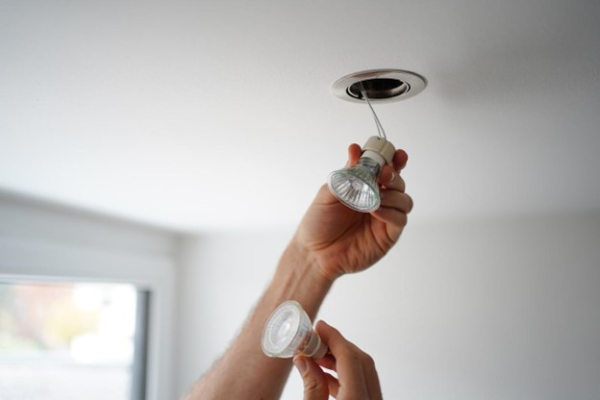
Understanding the Importance of Lighting Upgrades
Lighting Upgrades are essential improvements for both residential and commercial properties, enhancing energy efficiency, aesthetics, and safety. Lighting plays a critical role in how a space looks, feels, and functions. Outdated or inefficient lighting systems can consume excessive energy, produce inadequate illumination, and create safety hazards. Upgrading lighting ensures that homes and offices have sufficient, well-distributed light while reducing energy costs and environmental impact.
A professional Lighting Upgrades plan goes beyond simply swapping old bulbs for new ones. It involves evaluating lighting needs, selecting the right fixtures, and implementing modern technologies such as LED lighting, smart controls, and energy-efficient solutions. Upgraded lighting can transform a space, improve visibility, and even enhance property value while providing long-term savings on electricity bills.
Signs That You Need Lighting Upgrades
There are several indicators that lighting improvements are needed. Flickering or dim lights, frequent bulb replacements, and uneven illumination across rooms suggest that the existing system is outdated or inefficient. Homes with older wiring or inefficient fixtures may also experience increased energy costs and decreased safety.
Additionally, changes in property use, renovations, or additions may require improved lighting solutions to accommodate new layouts or functional areas. Outdated lighting systems may not support modern fixtures, smart lighting controls, or energy-efficient technology, making professional Lighting Upgrades necessary to meet contemporary needs.
Benefits of Lighting Upgrades
The benefits of performing Lighting Upgrades extend beyond improved visibility. Energy efficiency is one of the most significant advantages. Modern LED fixtures consume significantly less electricity than traditional incandescent or fluorescent lights, reducing monthly energy bills and lowering carbon footprints.
Safety is another key benefit. Well-designed lighting enhances visibility in critical areas such as staircases, hallways, kitchens, and outdoor spaces, reducing the risk of accidents. Upgraded lighting also improves aesthetics, creating a modern, inviting atmosphere that complements interior design. Furthermore, smart lighting systems allow homeowners to control brightness, color, and scheduling, increasing convenience, comfort, and security.
Types of Lighting Upgrades
Lighting upgrades can take several forms, depending on the goals of the property owner. Interior lighting upgrades may include replacing outdated fixtures, installing recessed lighting, or adding under-cabinet and task lighting in kitchens and workspaces. Exterior upgrades often involve installing motion-sensor lights, landscape lighting, or energy-efficient outdoor fixtures to enhance safety and curb appeal.
Another type of lighting upgrade involves incorporating smart technologies. Smart bulbs, dimmers, and automated lighting systems provide customizable illumination, remote control, and energy monitoring capabilities. These solutions not only improve functionality but also integrate seamlessly with home automation systems, offering modern convenience and efficiency.
Energy Efficiency and Environmental Impact
One of the most significant aspects of Lighting Upgrades is energy efficiency. Replacing incandescent or halogen bulbs with LEDs or compact fluorescents reduces electricity consumption while maintaining or improving brightness. Energy-efficient lighting produces less heat, reducing cooling costs and extending fixture lifespan.
Environmentally conscious homeowners benefit from lighting upgrades as they reduce greenhouse gas emissions and decrease landfill waste associated with frequent bulb replacements. Many modern fixtures are also made from sustainable materials, further enhancing the eco-friendly impact of lighting improvements.
Choosing the Right Lighting Fixtures
Selecting the appropriate lighting fixtures is essential for a successful Lighting Upgrades project. Factors to consider include room function, natural light availability, fixture style, energy consumption, and control options. Living areas may benefit from warm, ambient lighting, while workspaces require brighter, focused illumination.
Professional electricians or lighting designers can evaluate the space, recommend suitable fixtures, and ensure proper installation. Proper fixture selection ensures optimal lighting performance, energy efficiency, and aesthetic appeal, creating a functional and visually pleasing environment.
Installation Process for Lighting Upgrades
The installation process for lighting upgrades varies depending on the type and complexity of the project. Simple bulb replacements can be done by homeowners, but more extensive upgrades involving rewiring, recessed lighting, or smart system integration require professional expertise.
A typical installation begins with an assessment of the current electrical system and lighting layout. Wiring, circuits, and switches are inspected to ensure compatibility with new fixtures. Next, old fixtures are removed, and new fixtures are installed according to manufacturer specifications and safety codes. Finally, the system is tested to ensure proper functionality, brightness levels, and energy efficiency. Professional Lighting Upgrades ensure compliance with safety regulations and maximize the performance of new lighting systems.
Cost Considerations for Lighting Upgrades
The cost of lighting upgrades depends on the scope of the project, fixture types, labor requirements, and integration of advanced technologies. While upfront costs may vary, energy-efficient fixtures and smart systems often result in long-term savings through reduced electricity bills and maintenance expenses.
Budget planning and consulting with licensed electricians or lighting specialists help property owners make informed decisions and achieve maximum value. Investing in high-quality lighting upgrades improves safety, aesthetics, and energy efficiency, making it a worthwhile long-term investment for any property.
Maintenance and Longevity
Regular maintenance is essential to ensure the longevity and performance of upgraded lighting systems. This includes cleaning fixtures, replacing bulbs when necessary, inspecting wiring and switches, and updating smart systems or controls. Proper maintenance prevents malfunctions, ensures consistent illumination, and maximizes energy efficiency.
By combining quality fixtures with professional installation and ongoing maintenance, lighting upgrades can last for decades while providing optimal performance and energy savings.
Conclusion
Lighting upgrades are an essential investment for modern homes and commercial properties, providing energy efficiency, improved aesthetics, enhanced safety, and long-term cost savings. Recognizing the need for upgrades, selecting the appropriate fixtures, and hiring professional electricians ensure that lighting systems function effectively while complementing the overall design and functionality of the property. From energy-efficient LEDs and smart lighting to modern interior and exterior fixtures, lighting upgrades enhance comfort, convenience, and sustainability, making them a crucial step in optimizing the performance and value of any property.