Understanding the Importance of Interior Painting
Interior painting is a transformative aspect of home improvement that goes beyond mere decoration. It plays a crucial role in enhancing the ambiance, aesthetic appeal, and even the perceived value of a home. A well-executed interior painting project can revitalize dull or outdated spaces, create harmony between different rooms, and influence mood and functionality. Interior painting is not just about applying color to walls; it involves careful planning, surface preparation, color selection, and proper application techniques to achieve a professional finish that stands the test of time.
The benefits of interior painting extend beyond aesthetics. High-quality paints and finishes protect walls from moisture, wear, and everyday damage, ensuring longevity and reducing maintenance costs. Moreover, modern interior painting techniques incorporate environmentally friendly paints, low-VOC products, and sustainable practices, contributing to healthier indoor air quality. Proper interior painting also addresses imperfections, such as cracks, dents, and stains, providing a clean and uniform surface that enhances the overall beauty of a home.
Preparing Surfaces for Interior Painting
Preparation is a fundamental step in interior painting and directly affects the quality and durability of the final result. Effective preparation begins with cleaning walls to remove dirt, grease, or mold, which can interfere with paint adhesion. Damaged surfaces, including holes, cracks, and uneven textures, must be repaired using appropriate fillers, sanding, and priming techniques. Priming is essential, as it creates a uniform base for paint, prevents stains from bleeding through, and enhances the adhesion of the topcoat.
Protecting furniture, flooring, and fixtures is also a key part of preparation. Drop cloths, painter’s tape, and plastic sheeting safeguard surfaces from splatters and drips, making the painting process cleaner and more efficient. Professional interior painting emphasizes meticulous preparation to ensure that the final finish is smooth, consistent, and long-lasting. By investing time in preparation, homeowners can avoid costly touch-ups and achieve superior results.
Choosing Colors and Finishes for Interior Painting
Color selection is one of the most significant aspects of interior painting, as it directly influences the mood, perception of space, and overall design of a home. Light colors can make small rooms appear larger and brighter, while darker tones create warmth, intimacy, and a sense of coziness. Interior painting professionals often provide color consultations to help homeowners choose complementary tones, contrasts, or accent colors that enhance architectural features and furniture.
The choice of paint finishes is equally important. Matte or flat finishes conceal imperfections and create a soft, elegant look, while satin and eggshell finishes offer durability and easier cleaning. Semi-gloss and gloss finishes are ideal for high-traffic areas, kitchens, and bathrooms, as they resist moisture and are easier to maintain. By combining thoughtful color schemes with appropriate finishes, interior painting can dramatically elevate the aesthetics and functionality of any room.
Techniques and Methods in Interior Painting
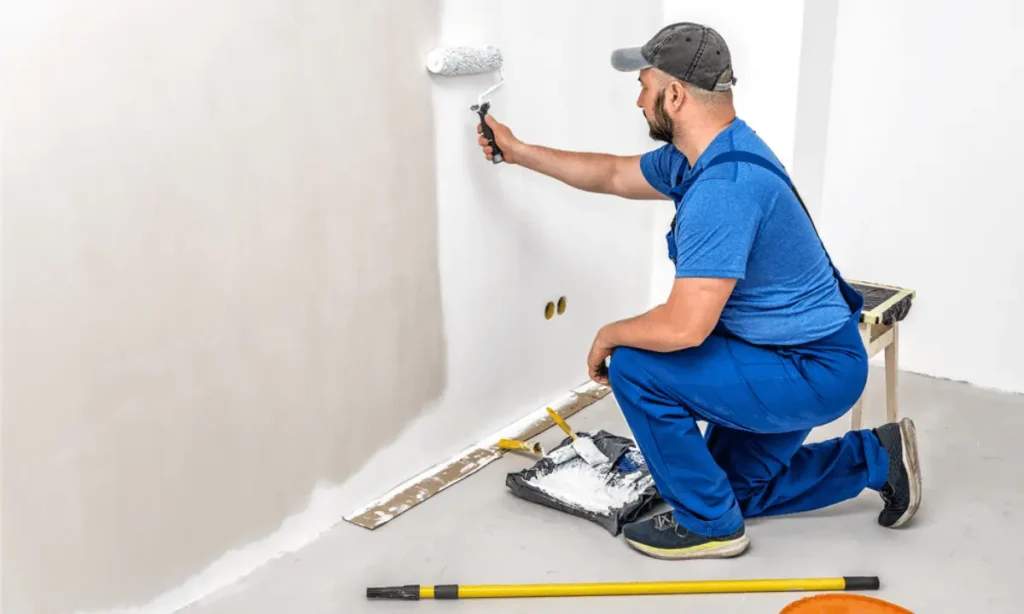
Interior painting involves a variety of techniques that ensure a professional and visually appealing finish. Common methods include brushing, rolling, and spraying, each suited to different surfaces and project requirements. Brushing allows for precise work around corners, trim, and edges, while rolling is efficient for covering large wall areas uniformly. Spraying is ideal for smooth, high-volume applications, such as ceilings or cabinets, and provides a consistent finish with minimal texture.
Decorative techniques are also an integral part of advanced interior painting. Faux finishes, textured paints, murals, and accent walls add character and individuality to spaces. Techniques such as color washing, sponging, or rag rolling create depth and interest, demonstrating that interior painting is not just functional but also an art form. Skilled painters combine technical precision with creative flair to achieve visually stunning results that reflect the homeowner’s style.
Interior Painting for Different Rooms and Surfaces
Interior painting strategies vary depending on the specific room and surface being painted. Kitchens and bathrooms require moisture-resistant paints to prevent mold and mildew, while living rooms and bedrooms may prioritize aesthetics and comfort. Ceilings, trim, doors, and moldings each demand distinct techniques and finishes to ensure a cohesive and professional appearance. For example, painting crown molding or baseboards requires attention to detail and careful masking, while large walls benefit from consistent rolling or spraying techniques.
Interior painting is also tailored to surface types. Drywall, plaster, wood, and textured surfaces each have unique requirements for preparation, priming, and application. Understanding these differences allows for a smoother, longer-lasting finish and prevents common issues such as peeling, bubbling, or uneven coverage. By considering room function, surface type, and desired effect, interior painting professionals create results that are both beautiful and durable.
Maintenance and Longevity of Interior Painting
A key advantage of professional interior painting is its long-term durability. Proper preparation, quality paint, and correct application techniques contribute to a finish that withstands daily wear, moisture, and UV exposure. Regular cleaning, gentle scrubbing of high-traffic areas, and periodic inspections help maintain the vibrancy and integrity of painted surfaces. Touch-ups and minor repairs can be performed as needed, ensuring that the interior painting remains fresh and appealing for years.
Modern interior painting practices also incorporate sustainable products that reduce the frequency of repainting. Low-VOC paints, for instance, minimize health risks while providing durable coverage. By investing in professional-grade materials and techniques, homeowners maximize the lifespan and value of their interior painting projects.
Safety and Environmental Considerations
Interior painting involves certain safety and environmental considerations that must be addressed. Proper ventilation is essential to reduce exposure to fumes, dust, and airborne particles during painting. Protective gear, such as gloves, masks, and eye protection, safeguards against chemical and physical hazards. Environmentally responsible paints and finishes contribute to healthier indoor air quality and reduce environmental impact. These practices ensure that interior painting projects are safe for both residents and the environment.
Professional Expertise in Interior Painting
Hiring experienced professionals for interior painting offers significant advantages. Skilled painters bring technical knowledge, artistic vision, and specialized equipment to ensure high-quality results. They can provide guidance on color selection, surface preparation, and finishing techniques, tailoring solutions to the homeowner’s preferences and property requirements. Professional interior painting reduces errors, improves efficiency, and delivers consistent results that elevate the overall aesthetics of the home. Investing in expertise ensures that interior painting projects are executed safely, effectively, and with a polished, lasting finish.
Trends and Innovations in Interior Painting
Interior painting trends continue to evolve, with new colors, finishes, and techniques shaping modern design. Neutral palettes, bold accent walls, textured surfaces, and sustainable materials are increasingly popular among homeowners. Innovative products, such as washable paints, magnetic or chalkboard finishes, and smart coatings, provide functionality alongside beauty. Staying informed about trends allows homeowners to integrate contemporary styles while maintaining timeless appeal, ensuring that interior painting enhances both design and usability.
Conclusion: The Transformative Power of Interior Painting
In conclusion, interior painting is a comprehensive practice that combines preparation, technique, color theory, surface treatment, and environmental considerations to transform home interiors. It enhances aesthetics, protects surfaces, improves functionality, and contributes to the long-term value of a property. From meticulous surface preparation to creative finishing techniques, professional interior painting delivers results that are visually stunning, durable, and environmentally responsible. By investing in high-quality interior painting services, homeowners can create spaces that are not only beautiful but also inviting, comfortable, and long-lasting, reflecting their personal style and improving the overall home environment.