Preparing a property for construction, landscaping, or other residential projects begins with effective and strategic land clearing. Residential land clearing involves the removal of trees, shrubs, stumps, rocks, and debris to create a safe, accessible, and usable space for building, gardening, or outdoor recreation. While some homeowners may attempt this work themselves, professional services provide unmatched efficiency, safety, and long-term benefits that are difficult to achieve with DIY methods. Hiring experts in residential land clearing ensures that the property is properly prepared, reduces risks associated with heavy equipment, and allows homeowners to focus on planning and completing their projects without unnecessary stress.
Residential land clearing is more than simply cutting down vegetation. It requires an understanding of the terrain, soil composition, vegetation types, drainage patterns, and potential hazards. For homeowners, balancing the need to clear land with preserving the aesthetic and environmental value of their property is essential. Professional companies specialize in assessing these factors, developing a strategic plan, and executing the clearing process safely and responsibly. This comprehensive guide will explore the importance of residential land clearing, the processes involved, equipment used, safety and environmental considerations, and tips for choosing the right company to ensure a successful and efficient project.
Understanding Residential Land Clearing
Residential land clearing is the process of preparing a property for construction, landscaping, or other uses by removing unwanted vegetation, debris, and obstacles. It is typically one of the first steps in creating a safe and functional property. Beyond aesthetics, effective land clearing improves safety, accessibility, drainage, and fire protection, while ensuring construction projects can proceed without unexpected complications caused by stumps, rocks, or uneven terrain.
The process begins with a thorough site assessment. Professionals examine the topography, soil type, density of vegetation, and any potential hazards. This initial evaluation is essential for developing a plan that maximizes efficiency, minimizes environmental impact, and maintains safety. Residential land clearing also considers the homeowner’s long-term goals, such as landscaping, garden design, or the location of new structures, ensuring that the cleared land meets both practical and aesthetic objectives.
Benefits of Residential Land Clearing
Investing in professional residential land clearing services offers numerous benefits. First, it improves safety and accessibility. Overgrown vegetation, debris, and uneven ground can create hazards for construction workers, family members, or visitors. Clearing these obstacles reduces the risk of accidents and allows safe access across the property.
Residential land clearing also increases property value by creating a usable, organized, and visually appealing space. Properly cleared land makes construction projects more straightforward, landscaping more effective, and outdoor areas more enjoyable. Removing trees, stumps, and brush helps prevent pest infestations, reduces fire hazards, and improves water drainage, protecting the property from erosion and water damage over time.
By working with a professional land clearing company, homeowners gain efficiency, safety, and long-term benefits. Experts in the field have the knowledge, skills, and equipment to complete the project correctly the first time, saving homeowners time and preventing costly mistakes.
The Residential Land Clearing Process
The residential land clearing process typically involves several carefully planned steps. The first stage is planning and assessment, where professionals evaluate the property to determine the most efficient and safe methods for clearing land. Permits may be required in some areas, and a professional company ensures compliance with local regulations.
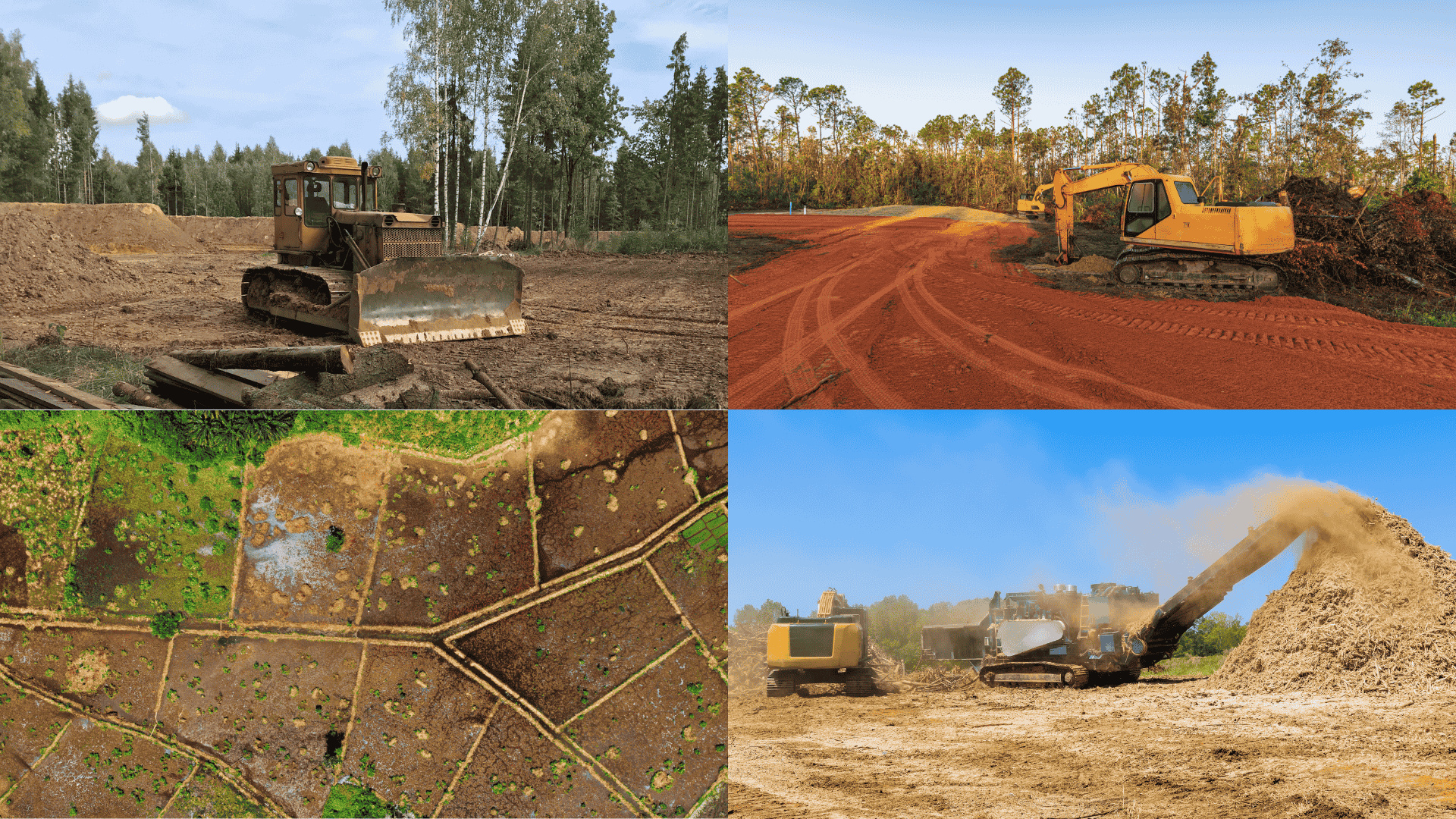
Once the plan is in place, the actual clearing begins. This may include manual removal of small plants and shrubs, mechanical removal of trees and stumps, and grading of the land to create a level surface for construction or landscaping. Heavy machinery such as bulldozers, excavators, and brush mowers are often used to tackle large or dense areas efficiently.
After vegetation and obstacles are removed, professionals typically perform soil grading and site cleanup. Proper grading ensures water drains away from foundations, preventing potential flooding or erosion problems. The final step involves inspection to confirm that the land is safe, accessible, and ready for the homeowner’s intended use.
Equipment and Techniques Used in Residential Land Clearing
Professional residential land clearing companies use a variety of tools and equipment to complete projects safely and efficiently. For smaller properties, hand tools like chainsaws, axes, pruners, and shovels may be sufficient for removing shrubs, small trees, or brush.
For larger properties or more challenging terrain, heavy machinery is essential. Bulldozers, excavators, and skid-steer loaders allow crews to clear extensive areas quickly, while stump grinders ensure that removed trees do not leave behind obstacles. Brush mowers, mulchers, and chippers help manage vegetation by converting it into mulch or wood chips, which can be reused or responsibly disposed of.
Advanced techniques such as selective tree removal may be employed to maintain desirable trees while removing unwanted vegetation. Water-fed erosion control and careful soil management prevent degradation during the clearing process, ensuring the land remains fertile, stable, and ready for development.
Safety Considerations in Residential Land Clearing
Safety is paramount in residential land clearing because the process involves heavy machinery, sharp tools, and unpredictable terrain. Professional companies follow strict safety protocols to minimize risk to workers, homeowners, and neighboring properties.
Workers wear protective equipment, including helmets, gloves, steel-toed boots, and eye protection, and secure the work area to prevent accidents. Proper equipment operation is crucial to prevent injuries or property damage, particularly when using bulldozers, excavators, and stump grinders. Homeowners benefit from professional expertise by avoiding costly mistakes, liability issues, and potential injuries that can occur when attempting DIY land clearing.
Environmental Considerations
Residential land clearing must balance efficiency with environmental responsibility. Improper clearing can lead to soil erosion, damage to natural habitats, and water runoff problems. Professional companies prioritize sustainable practices, including preserving topsoil, replanting vegetation where appropriate, and managing debris responsibly.
Recycling cleared vegetation into mulch, compost, or firewood is one way professionals reduce environmental impact. Buffer zones may also be maintained around sensitive areas such as streams or wetlands to protect ecosystems. By hiring a professional company, homeowners ensure that their land clearing project is both efficient and environmentally responsible.
Choosing the Right Residential Land Clearing Company
Selecting the right residential land clearing company is crucial for a successful project. Key considerations include experience, equipment, safety standards, and environmental responsibility.
Experience matters because companies with a proven track record can handle challenging terrains, dense vegetation, and unexpected obstacles efficiently. Modern, well-maintained equipment ensures faster, safer, and more precise clearing. Safety protocols and trained personnel prevent accidents and protect property. Environmentally responsible practices preserve soil, vegetation, and natural habitats.
Homeowners should also consider customer reviews, project portfolios, and transparent pricing. Obtaining detailed estimates that include debris removal, grading, and cleanup helps ensure there are no hidden costs and that the project proceeds smoothly.
Cost Factors for Residential Land Clearing
The cost of residential land clearing depends on several factors, including property size, vegetation density, terrain complexity, and required equipment. Additional considerations such as debris disposal, stump removal, grading, and permit acquisition can impact the total price. While professional services may cost more than a DIY approach, they often provide long-term savings by ensuring safety, preventing property damage, and creating a usable, well-prepared space.
Homeowners are encouraged to request multiple quotes and detailed project breakdowns to understand the scope of work and ensure the chosen company fits their budget while delivering high-quality service.
Conclusion
Residential land clearing is a critical first step in preparing a property for construction, landscaping, or other home improvement projects. It requires careful planning, skilled personnel, specialized equipment, and attention to safety and environmental standards. Hiring a professional residential land clearing company ensures the land is cleared efficiently, safely, and responsibly, resulting in a usable, organized, and visually appealing space. By understanding the process, benefits, and factors to consider when selecting a company, homeowners can invest in services that provide long-term value, protect their property, and create a safe and functional environment for their projects.