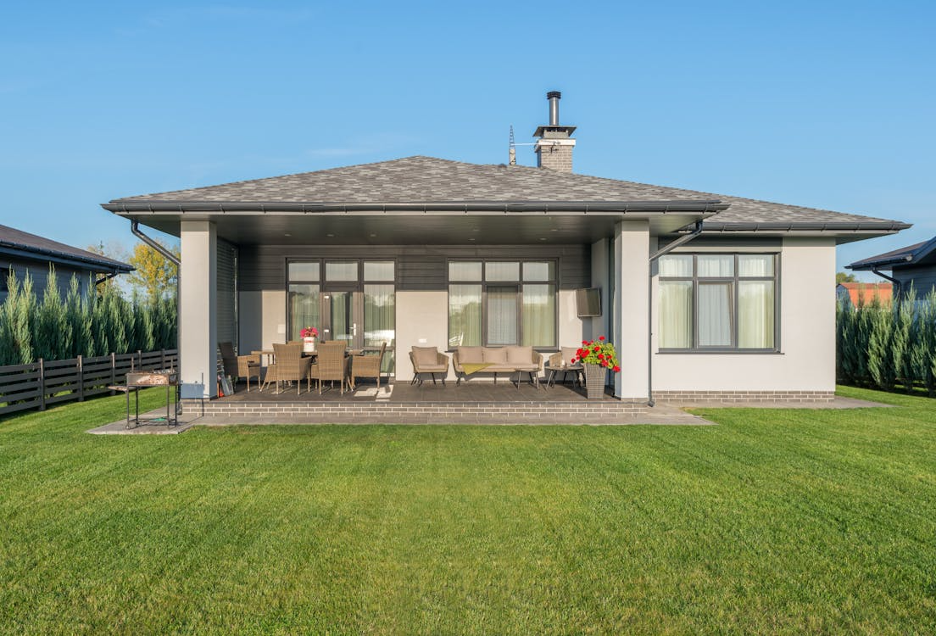
Curb appeal plays a vital role in how a home is perceived, especially in well-maintained residential areas where exterior quality reflects overall property value. Homeowners today understand that the outer surface of a house is more than a visual feature. It serves as the first line of defense against weather, temperature fluctuations, and moisture. When this barrier begins to weaken, it can affect not only appearance but also the home’s structural stability.
Over time, even high-quality materials begin to show signs of wear due to sun exposure, rain, and seasonal changes. As these elements take their toll, homeowners may notice subtle changes that signal deeper issues. Investing in updated exterior solutions, including premium siding options, becomes an important step in preserving both durability and efficiency. A timely upgrade helps maintain long-term value while ensuring the home remains well-protected and visually appealing.
Early Warning Signs: Cracks, Warping, and Surface Deterioration
Visible damage is often the first indication that your home’s exterior surface is no longer performing as it should. Cracks, warped panels, and soft or rotting areas can develop due to prolonged exposure to moisture, fluctuating temperatures, or aging materials. These issues may start small, but they tend to spread quickly if left unaddressed. Regular inspections help homeowners catch these warning signs early and recognize when surface-level fixes are no longer enough to maintain proper protection.
As damage becomes more frequent or widespread, repeated repairs can become both costly and ineffective. At this stage, homeowners often need a permanent solution that improves durability, weather resistance, and long-term performance. If you are looking for luxury siding services, there are many professionals who specialize in installing high-performance materials, such as vinyl and fiber-cement siding, designed for long-term durability. These upgrades help eliminate recurring issues while improving structural protection and overall property value.
Rising Energy Bills and Poor Insulation Performance
An unexpected increase in energy bills can often be traced back to inefficient exterior materials. Older siding systems often lack adequate insulation, allowing heat to escape during colder months and enter during warmer months. This forces heating and cooling systems to work harder, resulting in higher utility costs and inconsistent indoor temperatures. Over time, gaps or deteriorated layers behind the exterior can further reduce energy efficiency.
Modern exterior upgrades address these issues by incorporating materials with improved R-values and integrated insulation. These systems help regulate indoor temperatures more effectively by minimizing heat transfer. As a result, homeowners experience more consistent comfort while reducing the strain on HVAC systems. Improved insulation not only lowers energy costs but also contributes to a more sustainable, energy-efficient home environment.
Interior Clues: Peeling Paint and Moisture Intrusion
Interior damage often provides clear evidence of exterior problems. Peeling paint, bubbling wallpaper, or unexplained wall stains can indicate that moisture is entering through compromised exterior surfaces. When siding or protective layers fail, water can seep into the structure, leading to mold growth and weakening internal materials. These signs should not be ignored, as they often indicate hidden damage that can worsen over time.
Addressing moisture intrusion requires more than cosmetic fixes. It involves identifying the source of the problem and ensuring the exterior barrier is properly sealed and protected. Upgrading to modern exterior systems with built-in moisture barriers and proper flashing can prevent water from penetrating the home. This not only protects interior finishes but also preserves the structural integrity of the entire building.
Fading Colors and Outdated Aesthetic Appeal
Over time, exterior surfaces lose their original color and finish due to constant exposure to sunlight and environmental pollutants. Fading, chalking, and discoloration are common in older materials, especially those without UV-resistant coatings. These visual changes can make a home look neglected, even if the structure remains sound. Homeowners often overlook this gradual decline until the difference becomes noticeable from the street.
An outdated exterior design can also reduce a property’s appeal in competitive housing markets. Modern materials now offer advanced color retention and a wider range of finishes that stay vibrant for years. Updating the exterior not only refreshes the home’s appearance but also aligns it with current design preferences. This upgrade enhances curb appeal and supports stronger resale potential.
High Maintenance Demands and Frequent Repairs
Older exterior materials often require frequent upkeep to maintain their appearance and functionality. Tasks such as repainting, sealing, and cleaning can become routine, especially with wood-based surfaces that are vulnerable to moisture and pests. These repeated efforts add up in both time and cost, making maintenance increasingly burdensome for homeowners.
When maintenance becomes constant, it signals that the material is no longer performing efficiently. Modern alternatives are designed to reduce these demands by offering resistance to weather, insects, and general wear and tear. Switching to low-maintenance materials allows homeowners to focus less on repairs and more on enjoying their property. This shift also leads to long-term cost savings and improved durability.
Advantages of Premium, Weather-Resistant Materials
Upgrading to advanced exterior materials provides significant performance benefits. Many modern options are engineered to withstand extreme weather conditions, including heavy rain, strong winds, and temperature fluctuations. These materials often include protective layers that resist moisture penetration, reducing the risk of mold and structural damage over time.
In addition to durability, premium materials offer improved insulation and energy efficiency. Higher R-values help maintain stable indoor temperatures, reducing reliance on heating and cooling systems. These upgrades can last several decades with minimal maintenance, making them a practical investment. Homeowners also benefit from enhanced safety features, such as fire resistance and impact durability.
Safety and Efficiency Checklist for a Full Exterior Upgrade
A comprehensive exterior upgrade requires careful evaluation of both visible and hidden components. Homeowners should inspect for structural weaknesses, including soft spots, gaps, or damaged framing beneath the surface. Identifying these issues early ensures that repairs address the root cause rather than just surface-level symptoms.
Efficiency also depends on proper installation techniques and materials. This includes verifying insulation performance, ensuring correct flashing placement, and maintaining effective drainage systems. Adequate ventilation plays a key role in preventing moisture buildup within walls. A thorough checklist helps ensure that the new exterior system delivers long-term protection, improved efficiency, and reliable performance.