A roof is one of the most critical components of any property, providing shelter, security, and protection from the elements. Over time, roofs experience wear and tear due to exposure to sunlight, rain, wind, snow, and fluctuating temperatures. Neglecting roof maintenance can lead to significant damage, including leaks, structural weakness, and even interior property damage. Roof repair is a vital aspect of property upkeep, ensuring that the roof continues to perform its essential functions while extending its lifespan and maintaining property value. Proper roof repair involves understanding the types of roofing materials, identifying common problems, employing effective repair techniques, and implementing ongoing maintenance strategies. By addressing issues early and using professional techniques, property owners can prevent small problems from escalating into costly replacements. This guide will explore the importance of roof repair, common signs of damage, material considerations, repair methods, maintenance tips, and the long-term benefits of investing in a well-maintained roof.
Understanding the Importance of Roof Repair
The roof is the first line of defense against weather and environmental hazards. A compromised roof not only jeopardizes the safety and comfort of the occupants but can also cause extensive damage to walls, insulation, and interior finishes. Timely roof repair addresses structural vulnerabilities, prevents leaks, and restores the protective function of the roofing system. Beyond safety, repairing a roof enhances energy efficiency by ensuring proper insulation, reducing heat loss in winter and heat gain in summer. Additionally, a well-maintained roof contributes to the overall aesthetic appeal of a property, boosting curb appeal and property value. Ignoring necessary repairs can result in escalating costs, as minor leaks or damaged shingles can evolve into significant structural issues that may require complete replacement. Roof repair is therefore both a practical and strategic investment, safeguarding the property while maintaining its appearance and efficiency.
Common Signs That Roof Repair Is Needed
Recognizing when roof repair is necessary is crucial for preventing minor issues from becoming major problems. Common indicators include missing, cracked, or curling shingles, which can compromise water resistance and expose the roof structure to damage. Leaks or water stains on ceilings or walls often signal that water is penetrating the roof, requiring immediate attention. Other signs include sagging areas, loose flashing around chimneys and vents, and granule loss on shingles, which can indicate aging or deterioration. Mold, moss, or algae growth can further degrade roofing materials and create slippery surfaces that exacerbate damage. Additionally, noticeable drafts or increased energy bills may suggest that the roof’s insulation has been compromised. Early identification of these issues allows for timely roof repair, preserving the structural integrity of the roof and preventing costly consequences.
Types of Roofing Materials and Their Impact on Repair
Roofing materials play a significant role in determining the approach to repair, as different materials have unique characteristics, durability, and maintenance requirements. Asphalt shingles are among the most common roofing materials due to their affordability and ease of installation, but they may be susceptible to cracking, curling, and granule loss over time. Metal roofs are highly durable and resistant to extreme weather, though they require specialized repair techniques to address dents, rust, or loose panels. Tile and slate roofs provide excellent longevity and aesthetic appeal, but broken tiles or slipped slates must be carefully replaced to maintain the roof’s integrity. Wood shake roofs offer a natural appearance but require regular maintenance to prevent rot, warping, or insect damage. Understanding the properties of the roofing material is essential for executing effective roof repair, ensuring that the chosen methods are compatible with the material and capable of restoring both functionality and appearance.
Techniques and Methods for Roof Repair
Roof repair encompasses a wide range of techniques, from minor patching to more extensive structural restoration. For asphalt shingles, common repairs involve replacing damaged shingles, sealing cracks, and reinforcing flashing around chimneys, vents, and edges. Metal roof repair may include patching holes, sealing seams, or replacing corroded panels while ensuring proper alignment and waterproofing. Tile or slate repairs often require removing broken pieces and carefully installing replacements without disturbing surrounding tiles, a process that demands precision and experience. In cases where leaks have penetrated underlying layers, roof repair may involve replacing underlayment or reinforcing structural supports to prevent further damage. Roof repair techniques vary depending on the extent of the damage, the age of the roof, and the material used, but the goal remains consistent: restoring protection, functionality, and longevity.
Safety Considerations During Roof Repair
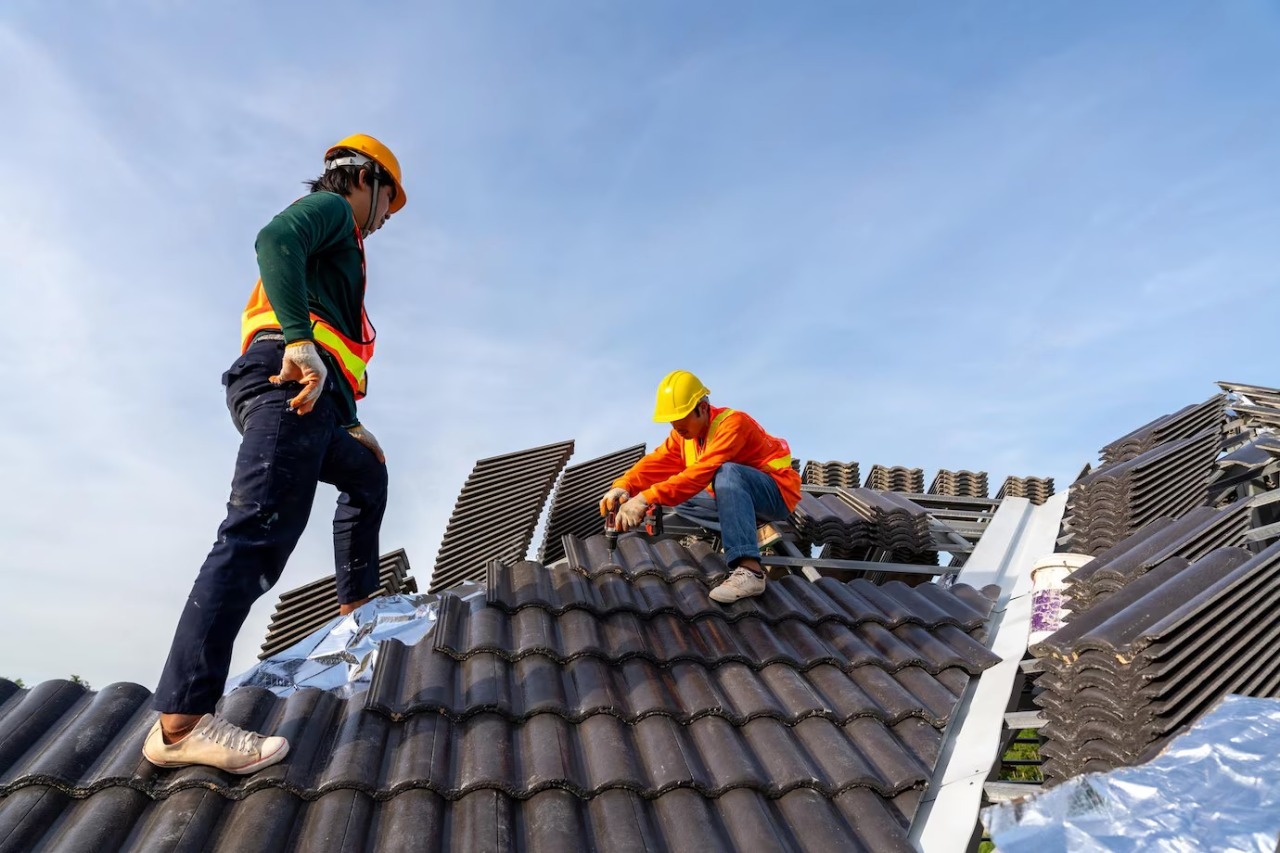
Roof repair can be hazardous if not conducted with proper precautions, as working at heights presents significant risks. Safety measures are critical to prevent accidents and ensure successful repair outcomes. Protective gear, including harnesses, helmets, gloves, and slip-resistant footwear, is essential for anyone working on a roof. Secure scaffolding, ladders, and roof anchors provide stable support during repair activities. Additionally, awareness of weather conditions is crucial, as wet or icy surfaces increase the risk of slips and falls. Professional roof repair technicians are trained to handle these risks while executing repairs efficiently, combining safety protocols with expert techniques. Property owners undertaking DIY repairs must adhere to strict safety guidelines and recognize the limits of their capabilities to avoid injury or improper repair that could compromise the roof’s performance.
Maintenance Strategies for Long-Lasting Roofs
Proper maintenance is integral to prolonging the life of any roof and reducing the need for frequent repairs. Regular inspections help identify potential issues before they escalate, focusing on areas such as shingles, flashing, gutters, and roof vents. Cleaning debris, leaves, and moss from the roof surface prevents water accumulation and deterioration of materials. Ensuring that gutters and downspouts are clear allows proper water drainage, reducing the risk of leaks and water damage. Applying protective coatings or sealants can enhance waterproofing and resistance to environmental stressors. Timely roof repair combined with consistent maintenance creates a proactive approach, minimizing emergency repairs and extending the lifespan of the roofing system. Property owners who invest in routine maintenance benefit from enhanced durability, improved performance, and a lower likelihood of costly structural problems.
Financial and Structural Benefits of Roof Repair
Investing in roof repair offers significant financial and structural benefits. By addressing minor issues early, property owners avoid the high costs associated with extensive damage or full roof replacement. Repairing leaks, reinforcing flashing, and replacing damaged shingles or tiles maintain the roof’s structural integrity, preventing water intrusion and protecting the interior of the building. Energy efficiency is also improved through the preservation of insulation and proper sealing, contributing to lower heating and cooling costs. Furthermore, a well-maintained roof enhances property value and curb appeal, making it an attractive asset for resale or rental purposes. Roof repair is a cost-effective approach that safeguards the property, preserves aesthetics, and reduces long-term expenditure.
Choosing Professional Roof Repair Services
While some minor repairs can be managed by property owners, professional roof repair services ensure accurate, efficient, and durable outcomes. Experienced technicians possess the knowledge and tools necessary to assess the condition of the roof, identify hidden issues, and apply repairs that align with industry standards. Professionals are equipped to handle various roofing materials, execute complex repairs, and implement safety protocols that mitigate the risks associated with working at heights. Hiring a professional roof repair service also provides peace of mind, as the quality of work is guaranteed, and potential liability is reduced. Property owners who engage skilled repair specialists maximize the longevity, safety, and performance of their roofs while minimizing disruption and stress.
Environmental Considerations in Roof Repair
Modern roof repair practices increasingly emphasize environmental responsibility. Choosing eco-friendly materials, recyclable roofing components, and energy-efficient repair techniques reduces the environmental footprint of the repair process. Proper disposal of damaged roofing materials prevents landfill waste, while energy-efficient repairs contribute to reduced heating and cooling demands. Additionally, repairs that prevent leaks and water damage protect the building envelope and surrounding environment, mitigating potential ecological impact. Incorporating environmentally conscious strategies in roof repair demonstrates a commitment to sustainability while maintaining the structural integrity and functionality of the property.
Conclusion: Maximizing the Benefits of Roof Repair
Roof repair is an essential investment for property owners seeking to maintain safety, durability, and value. By identifying common signs of damage, understanding the properties of roofing materials, applying appropriate repair techniques, and implementing proactive maintenance strategies, property owners can preserve the longevity and functionality of their roofs. Timely roof repair addresses structural weaknesses, prevents water damage, enhances energy efficiency, and improves the aesthetic appeal of the property. Professional services provide expert assessment, safe execution, and reliable results, ensuring that the roof continues to perform its critical functions for years to come. By prioritizing roof repair and ongoing maintenance, property owners protect their investment, safeguard occupants, and ensure long-lasting comfort and security.