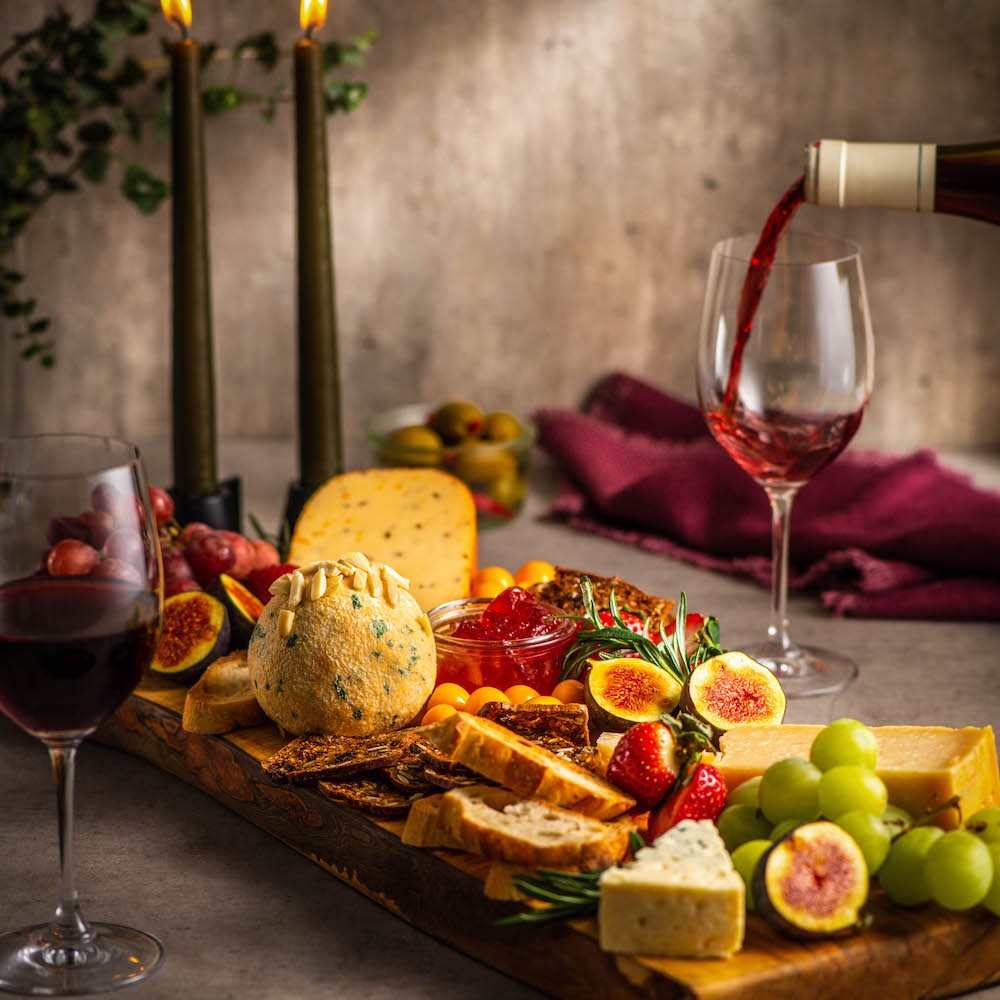
The Science Behind Your Wine and Cheese Board
Creating a great pairing requires looking past the surface to see how flavors and structures interact. When you understand the basic chemistry at play, you can elevate even the simplest evening into something memorable. Exploring pairings helps you appreciate the nuance in every bottle whether you visit a local shop or look for options to buy wine online.
Understanding Tannins and Protein
Tannins act as the backbone of red wine, providing that classic drying sensation on your tongue. When these compounds meet the rich proteins and fats in cheese, they soften significantly, which creates a harmonious experience. It is a classic move that makes even the boldest red wine feel accessible and smooth on the palate.
Why Fat Content Matters
Fat is the magic ingredient that bridges the gap between strong acids and sharp flavors. Without enough fat to coat your mouth, acidic wines can taste particularly bracing or harsh against certain cheeses. A higher fat content helps neutralize these effects, allowing the wine’s intricate fruit characteristics to shine through rather than being buried by sharpness.
Balancing Intensity Levels
Matching the weight of your wine with the strength of your cheese is the most important rule of the game. For instance, Levo Vineyard suggests that lighter, more delicate cheeses can be easily overpowered by high-intensity, full-bodied reds. You want each bite and each sip to feel like they are working together in the same weight class to deliver a balanced result.
Bold Reds for Strong Cheese Personalities
Strong cheeses demand wines that have enough personality to stay relevant in the conversation. When you introduce a powerful cheese, you need an equally robust red to ensure the pairing does not vanish into the background. Think of it as inviting two strong-willed individuals to share a meal; each needs space to show off their best qualities.
Choosing a Cabernet Sauvignon for Aged Cheddar
Aged cheddar is dense, sharp, and has its own distinct crystalline texture that stands out beautifully. A structured Cabernet Sauvignon has the tannins and complexity to handle this intensity without losing any of its own character. This pairing is a fundamental staple for any host who wants to deliver a sophisticated snack.
Pairing Syrah With Smoked Gouda
Smoked gouda brings an earthy component to the table that pairs perfectly with the dark, spicy notes often found in Syrah. The natural smoked profile of the cheese picks up on the similar qualities inherent in the wine, creating a bridge between the snack and the bottle. It is an adventurous choice that usually pays off with a deep, lingering finish.
Balancing Peppercorn-Crusted Cheeses
Cheeses coated with coarse black pepper provide a spicy kick that can be quite challenging for more delicate vintages. You need a red wine that is both fruit-forward and bold enough to handle the lingering heat of the spices. By providing a generous fruit foundation, you can soothe the pepper’s intensity while keeping the overall flavor profile exciting.
Fruit-Forward Reds and Their Creamy Companions
Creamy, mild cheeses are like a blank canvas waiting for the right splash of color from a vibrant red wine. You want something that offers plenty of fruit character to complement the richness without dragging the palate down into heaviness. These combinations work best when you choose lighter, aromatic styles that prioritize approachability.
Merlot and Camembert: The Velvety Match
When you combine a smooth Merlot with a creamy wheel of Camembert, the result is nothing short of luxurious. The velvety nature of the cheese melts into the soft, round tannins of the wine, creating an almost butter-like consistency. It is a popular pairing that thrives because it keeps things simple yet deeply satisfying for all participants.
Zinfandel’s Affinity for Aged Gouda
Zinfandel often carries sweeter fruit notes and a nice touch of spice that works wonders alongside the caramel-like sweetness of aged gouda. If you are preparing this for guests, follow these steps to keep the board organized and easy to navigate:
- Place the aged gouda in the center for quick access.
- Arrange your fruit-forward reds nearby.
- Scatter a handful of dried figs to bridge the flavor gap.
- Keep fresh baguette slices on the periphery to reset the palate.
Why Light Reds Work With Mild Chèvre
Mild chèvre has an acidity and tang that often makes it difficult to pair with big, high-tannin bottles. Levo Vineyard emphasizes the importance of selecting a bright, light-bodied red that respects the cheese’s subtle profile. These lighter wines ensure the delicate floral or herbal notes in the goat cheese remain front and center instead of being masked by oak or heavy alcohol.
What Goes Well With Red Wine: Earthy and Funky Pairings
Sometimes you want a pairing that is more about character, funk, and intrigue than simple elegance. Earthy, funky cheeses bring a sense of place to your board that calls for wines that are just as storied. Knowing what goes well with red wine when it gets a little wild is a skill that opens up entirely new worlds of flavor for your home tastings.
Matching Pinot Noir With Nutty Gruyère
Gruyère has a distinct, nutty, and slightly savory quality that acts as a glorious counterpoint to the bright acidity of a classic Pinot Noir. The wine’s natural red-fruit flavors add a layer of lift to the cheese, preventing the earthiness from becoming overwhelming. It is the kind of pairing that makes you slow down to properly analyze the transition from the first bite to the last sip.
Beaujolais and the World of Creamy Brie
Beaujolais provides a fresh, energetic profile that cuts right through the dense creaminess found in a ripe Brie. This pairing works because the wine remains lighthearted, never taking itself too seriously, which allows the subtle, mushroomy notes of the cheese to emerge. It creates a refreshing balance that keeps you coming back for just one more taste.
Taming the Funk of Blue Cheese With Port
Blue cheese is legendary for its intense funk, saltiness, and sharp edge. To manage this intensity, you need a wine that can handle the salt, and nothing does that quite like the sweet, fortified power of a good Port. Refer to the table below for quick reference on how these flavor profiles intersect during your tasting sessions.
| Cheese Type | Red Wine Style | Typical Effect |
| Sharp Cheddar | Full-Bodied Red | Tannins soften fat |
| Aged Gouda | Fruit-Forward Red | Complements sweetness |
| Blue Cheese | Fortified Red | Balances salt and intensity |
Using this table ensures your pairings are well-grounded in the fundamental chemistry that defines a successful board.
Pro-Tips for Building a Successful Board
Building an aesthetic board is about more than just grabbing a few items; it is about creating a deliberate flow. Levo Vineyard reminds us that the best boards are those that offer a variety of sensations for guests to encounter in sequence. Focusing on variety creates a dynamic tasting journey that keeps interest high from start to finish.
Balancing Acidity and Salt
Salt is the ultimate flavor enhancer, but it can also be a challenge if your wine selection is already quite dry. Balancing the saltiness of cured meats or aged cheeses requires attention to the acidity present in your bottle selection. When these two elements align, they sharpen the flavors of your food and freshen your palate, making each subsequent bite feel brand new.
Adding Crunch and Texture to the Spread
Texture is the secret weapon of a pro-level board, as it breaks up the monotony of soft fats and liquids. You should incorporate items like toasted nuts, rustic crackers, or even crisp apples to ensure there is something satisfying to chew on. This contrast keeps people interested and prevents the tongue from becoming tired after one or two glasses of wine.
Ordering Your Tasting Journey
If you are hosting a tasting, always start with the mildest options and work your way toward the most intense flavors. Arrange your display so guests move naturally across the board, starting with fresh cheeses and moving toward aged or blue varieties at the end. This structure prevents early flavor fatigue and ensures your guests can fully appreciate every bottle you share.
Frequently Asked Questions
Should I Always Serve Red Wine at Room Temperature?
It is a common misconception that red wine should be served at room temperature, but most benefit from being slightly cooler. Aiming for a cellar temperature around 60 to 65 degrees Fahrenheit helps the nuances in bold reds really pop without the alcohol becoming too prominent.
Can I Serve Red Wine With White Mold Cheeses Like Brie?
Yes, absolutely, provided you choose a wine that isn’t too overpowering for the delicate rind. Lighter, fruit-driven reds are perfect for this because they don’t fight the creamy, earthy nature of the cheese, allowing the mushroom-like qualities of the Brie to shine.
How Many Different Cheeses Should Be on a Single Board?
Three to five types of cheese are typically enough to provide a good range of textures and flavors without creating a chaotic spread. Focus on selecting items that offer contrast, such as one hard aged cheese, one soft cream-based cheese, and one funky or blue variety to cover your bases.
Does Age Matter When Selecting Red Wine for Cheese?
Older wines often have more delicate, mellowed-out tannins that might struggle against very strong or spicy cheeses. For intense cheeses, younger, higher-tannin reds are often a better choice because they have the structure to stand up to the food and provide a sturdy counterpoint.
Are Nuts a Mandatory Addition to a Wine and Cheese Board?
While not strictly mandatory, nuts provide a crucial textural contrast that elevates the board from a simple snack to a curated experience. They add a saltiness and crunch that helps cleanse the palate and pairs particularly well with the nutty notes found in many medium-bodied red wines.
Why Do Some Cheeses Taste Metallic With Red Wine?
This can happen if you are pairing a particularly tannic wine with a cheese that has high iron content or excessive salt. If you notice a metallic tang, consider choosing a wine with lower tannin content or a cheese that is less sharp, as this will help smooth out the interaction.
How Do I Store Leftover Cheese and Wine Properly?
Wrap your leftover cheese in parchment or wax paper rather than plastic wrap to allow it to breathe without drying out. For the wine, re-corking it tightly and keeping it in a cool, dark environment will preserve the flavor profile for an additional day or two.