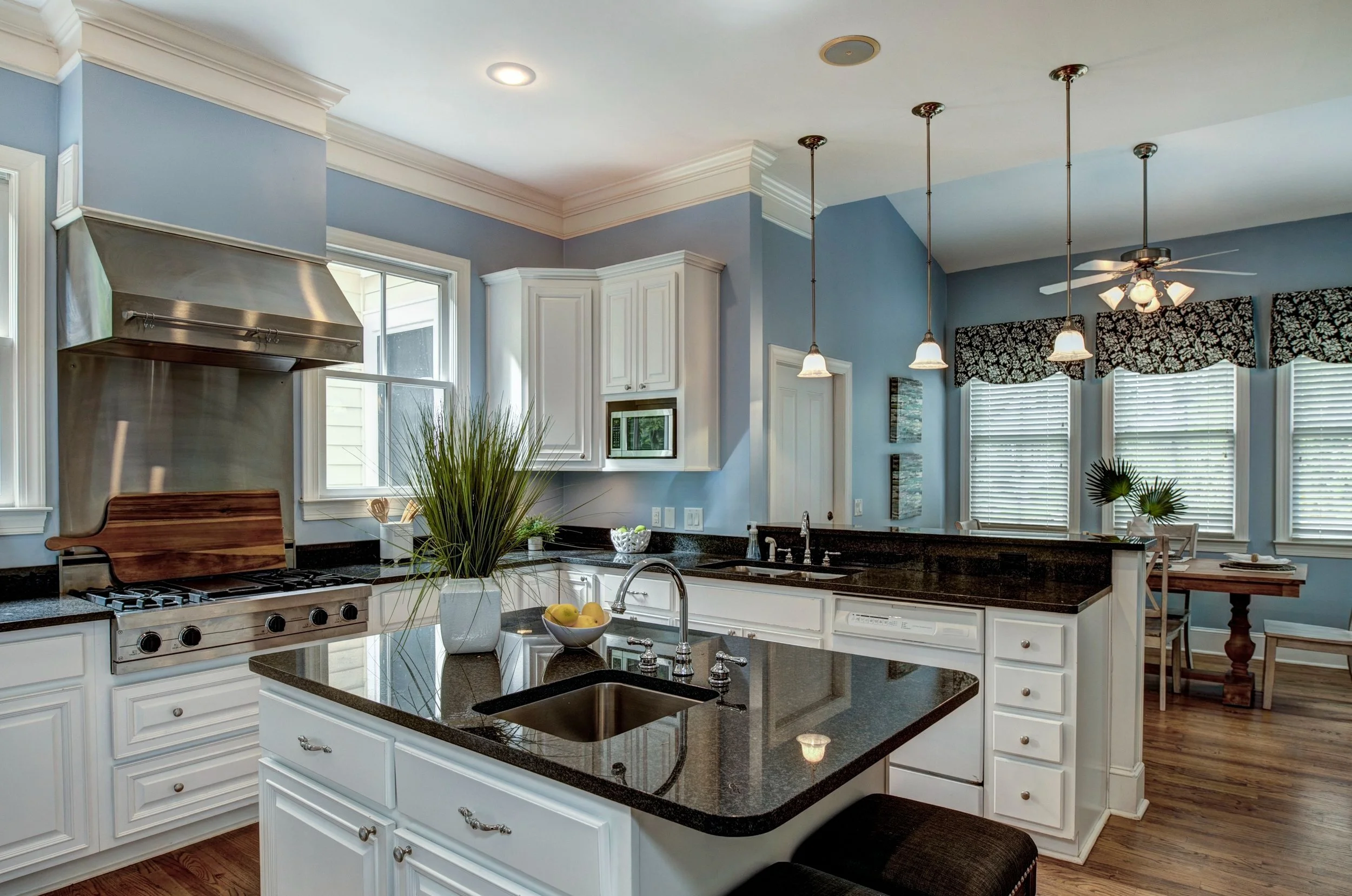
Kitchen remodeling is one of the most transformative home improvement projects a homeowner can undertake. It not only enhances functionality but also dramatically improves the aesthetic appeal and overall value of a property. The kitchen is often referred to as the heart of the home, serving as a place for cooking, socializing, and family gatherings. Over time, kitchens can become outdated, inefficient, or poorly suited to the evolving needs of a household. Remodeling allows homeowners to address these challenges by optimizing layout, upgrading appliances, incorporating durable and stylish materials, and creating a space that reflects personal taste while remaining practical. A well-executed kitchen remodel transforms a cramped or outdated space into a modern, inviting hub that balances beauty, efficiency, and comfort.
Why Kitchen Remodeling Matters
Kitchen remodeling is not just a cosmetic upgradeit has a tangible impact on lifestyle and property value. The kitchen plays multiple roles in daily life, from meal preparation to hosting gatherings and serving as a family hub. Outdated layouts, insufficient storage, and worn surfaces can make cooking and entertaining inefficient or stressful. Remodeling addresses these challenges by creating an environment tailored to the homeowner’s needs, improving workflow, accessibility, and overall comfort.
Beyond functional improvements, a remodeled kitchen increases the value of a home. Real estate experts consistently rank kitchens as one of the top areas for return on investment, with modern, high-quality upgrades attracting buyers and boosting resale value. Even relatively minor updates, such as installing new countertops, upgrading cabinets, or improving lighting, can make a substantial difference in both functionality and appeal.
Planning Your Kitchen Remodel
The foundation of a successful kitchen remodel is careful planning. Homeowners should begin by identifying the goals of the project, whether it is to increase counter space, add storage, enhance energy efficiency, modernize the design, or all of the above. Evaluating the existing kitchen layout helps highlight problem areas, such as awkward workflows, cramped work zones, or insufficient lighting.
Budgeting is another critical aspect of planning. Determining a realistic budget early allows homeowners to make informed decisions about materials, appliances, and labor while preventing overspending. It is important to allocate funds to major components such as cabinetry, countertops, flooring, appliances, lighting, and professional services. A contingency fund should also be included to account for unforeseen costs, which often arise during remodeling projects. Establishing a clear plan and budget ensures that the remodel stays on track and delivers a high-quality result that meets both functional and aesthetic objectives.
Choosing the Right Kitchen Layout
The layout of a kitchen significantly impacts workflow, efficiency, and comfort. Selecting the appropriate layout is essential for creating a functional and welcoming space. Popular kitchen layouts include L-shaped designs, which are versatile and ideal for open-plan areas; U-shaped layouts, which provide extensive counter space and storage; galley kitchens, which maximize efficiency in narrow spaces; and island or peninsula configurations, which offer additional workspace and serve as social hubs for family and guests.
A key principle to consider when designing a kitchen layout is the “work triangle,” which optimizes the distance between the stove, sink, and refrigerator. Properly planning the work triangle reduces unnecessary steps, streamlines cooking tasks, and ensures smooth movement within the kitchen. Additionally, careful placement of appliances, storage, and work surfaces enhances usability and creates a cohesive environment where both cooking and entertaining can take place efficiently.
Selecting Materials and Finishes
Materials and finishes have a major influence on the durability, appearance, and overall functionality of a remodeled kitchen. Cabinetry is one of the most significant design elements, and options range from traditional wood to high-gloss laminate or contemporary engineered finishes. Custom cabinetry provides flexibility for storage solutions tailored to the homeowner’s specific needs. Countertops, available in materials such as granite, quartz, marble, or butcher block, combine durability with aesthetic appeal, while flooring options including tile, hardwood, vinyl, or engineered wood balance style with long-term resilience. Backsplashes and wall finishes, such as glass, tile, or metallic panels, protect surfaces while adding visual interest. Choosing materials that are both durable and visually appealing ensures that the kitchen remains functional and stylish for years to come.
Lighting Design and Electrical Considerations
Lighting is a critical component of any kitchen remodel, impacting both functionality and ambiance. A combination of ambient, task, and accent lighting ensures that the space is well-lit and visually appealing. Ambient lighting, provided by recessed fixtures or overhead lights, illuminates the entire space, while task lighting focuses on specific work areas such as countertops, islands, or sink zones. Accent lighting enhances the visual appeal of design features or architectural elements, creating depth and interest.
During a remodel, it is also an ideal opportunity to update electrical systems. Adding additional outlets, USB ports, or smart home integration improves convenience and future-proofs the kitchen. Proper lighting and updated electrical infrastructure enhance usability, ensure safety, and contribute to the overall aesthetics of the space.
Appliances and Fixtures
Modern appliances and fixtures are essential for creating a functional and attractive kitchen. Energy-efficient appliances reduce utility costs and environmental impact while improving usability. Homeowners should select refrigerators, stoves, ovens, dishwashers, and microwaves that suit both the kitchen design and family needs. High-quality sinks and faucets, featuring elements such as pull-down sprayers, touchless operation, or deep basins, enhance both practicality and style. Thoughtful selection of appliances and fixtures ensures long-term performance, adds value, and contributes to a seamless and efficient kitchen experience.
Working with a Professional Kitchen Remodeling Contractor
Hiring a skilled kitchen remodeling contractor is essential for a successful project. Experienced professionals manage permits, coordinate subcontractors, and oversee timelines, ensuring that the remodel is executed efficiently and according to plan. When choosing a contractor, it is important to evaluate their portfolio, request references, and verify licenses and certifications. Clear communication, detailed contracts, and regular updates help avoid misunderstandings and ensure satisfaction. For homeowners seeking additional design expertise, collaborating with an interior designer can provide guidance on color schemes, materials, and layout, resulting in a polished and cohesive final result.
Budget-Friendly Kitchen Remodeling Ideas
Not every remodel requires a full-scale renovation to create a noticeable impact. Homeowners on a budget can achieve dramatic results with strategic updates. Painting or refinishing existing cabinets can provide a fresh appearance without the cost of full replacement. Laminate or engineered stone countertops offer affordable alternatives to marble or granite. Updating hardware, faucets, and lighting fixtures can dramatically transform the overall look of a kitchen. Prioritizing high-impact improvements ensures a stylish and functional remodel without exceeding financial constraints.
Maximizing Storage and Organization
Efficient storage is a central component of modern kitchen design. Incorporating pull-out shelves, deep drawers, lazy Susans, and vertical storage maximizes accessibility and minimizes clutter. Islands or peninsulas provide additional storage and work surfaces, while pantry organizers and overhead cabinets create space for everyday essentials. Thoughtful storage solutions streamline meal preparation, improve workflow, and maintain a clean and organized kitchen environment, ensuring that the space is both functional and welcoming.
Maintaining Your Remodeled Kitchen
After completing a kitchen remodel, proper maintenance is essential to preserve functionality and aesthetics. Regular cleaning of countertops, cabinets, and appliances prevents wear and tear, while following manufacturer guidelines for flooring and fixtures ensures longevity. Promptly addressing minor repairs prevents them from escalating into larger issues, and routine inspections of lighting and appliances help maintain efficiency and safety. Consistent care protects the investment made during remodeling and ensures that the kitchen remains a functional and attractive centerpiece of the home for years to come.
Final Thoughts
Kitchen remodeling is a transformative process that enhances functionality, style, and home value. By carefully planning the layout, selecting durable materials, incorporating modern appliances and fixtures, and collaborating with experienced professionals, homeowners can create a kitchen that is both practical and visually appealing. Thoughtful remodeling not only improves daily life but also increases property value, making it a worthwhile investment. A well-designed kitchen becomes the heart of the home—a space that combines style, comfort, and efficiency while creating a welcoming environment for family and guests. Whether updating a small space or executing a full-scale renovation, a thoughtfully remodeled kitchen can provide lasting benefits and elevate the overall appeal of a home.