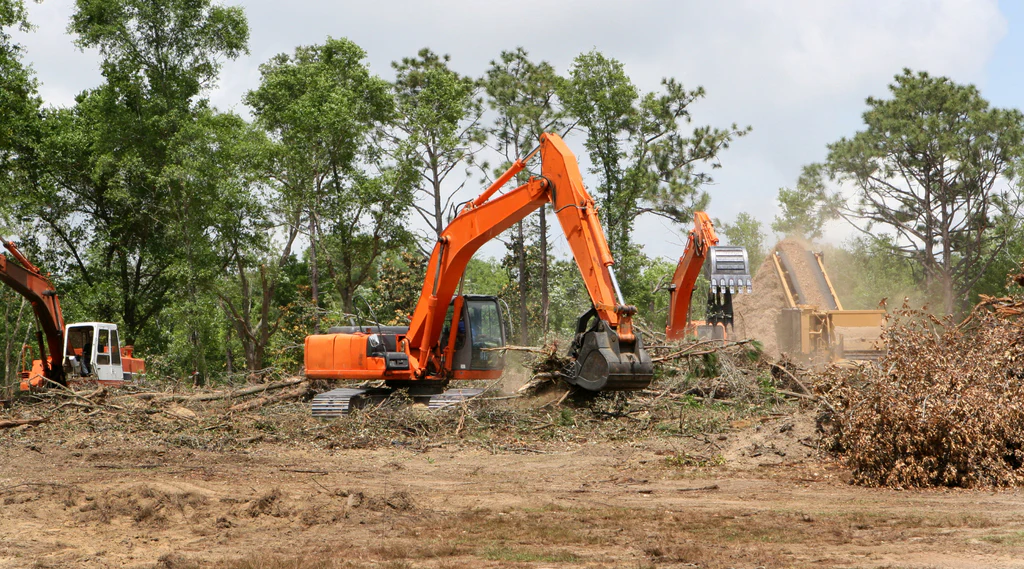
Understanding the Importance of Land Clearing
Land clearing is an essential process in modern land management that involves the careful removal of trees, shrubs, brush, stumps, rocks, and other obstacles to prepare a property for various uses. Whether for agricultural development, residential or commercial construction, or landscaping projects, land clearing ensures that a piece of land becomes functional, safe, and visually appealing. Beyond creating usable space, land clearing offers numerous environmental, safety, and practical benefits, including improved soil quality, reduced fire hazards, control of invasive plant species, and enhanced property accessibility. By implementing proper techniques and planning, land clearing transforms a previously overgrown or obstructed area into a manageable and productive space while maintaining the ecological integrity of the land.
Planning Your Land Clearing Project
The foundation of any successful land clearing project lies in careful planning and assessment. Before beginning the clearing process, it is critical to evaluate the property thoroughly to identify the types of vegetation present, the topography of the land, soil conditions, drainage patterns, and potential hazards such as rocks, uneven terrain, or hidden debris. Understanding these factors allows property owners or developers to determine the most effective clearing methods and equipment, ensuring efficiency and safety throughout the project. Proper planning also involves defining the purpose of the cleared land, whether it is intended for agricultural production, construction, landscaping, or a combination of uses, so that the clearing process aligns with the long-term goals for the property. By taking the time to map the area, mark zones for removal, and anticipate potential obstacles, the land clearing process becomes more organized, cost-effective, and environmentally responsible, reducing the likelihood of unnecessary damage or project delays.
Methods and Techniques in Land Clearing
Land clearing can be executed through several methods, each with specific advantages depending on the size of the property, vegetation density, and overall project objectives. Mechanical clearing is often employed for large-scale projects where heavy machinery, such as bulldozers, excavators, or forestry mulchers, can remove trees, shrubs, and stumps quickly and efficiently. This method is particularly useful when dealing with dense vegetation or extensive areas that would be labor-intensive to clear manually. Manual clearing involves the use of hand tools, including chainsaws, axes, machetes, and other specialized equipment, allowing precise removal of specific vegetation and obstacles, particularly in sensitive areas or smaller properties where heavy machinery is impractical. Chemical clearing may be used to control regrowth and invasive plant species through the application of herbicides or growth inhibitors, often combined with mechanical or manual techniques to maintain long-term land stability. Controlled burning is another method sometimes employed, where carefully managed fires remove excess brush and prepare the soil; however, this technique requires permits, careful planning, and strict safety protocols to minimize environmental impact and prevent accidents. The choice of method should reflect the project’s scale, environmental considerations, available resources, and long-term management goals, ensuring that the cleared land meets functional and ecological expectations.
Environmental Considerations in Land Clearing
While land clearing provides practical benefits, it is crucial to consider its environmental impact. Removing vegetation without planning can disrupt ecosystems, harm wildlife habitats, and increase the risk of soil erosion, water runoff, and loss of biodiversity. Sustainable land clearing practices focus on selective removal of vegetation, preserving important trees or shrubs, and maintaining natural buffer zones to protect sensitive areas and water sources. Incorporating erosion control measures, such as silt fences, ground cover, and organic mulch, prevents soil degradation and ensures that the land remains fertile and stable after clearing. By addressing environmental factors during planning and execution, property owners can achieve their land management goals while maintaining ecological balance, promoting soil health, and preventing long-term environmental damage.
Equipment and Tools for Land Clearing
The success of any land clearing project heavily depends on the equipment and tools used. Heavy machinery, such as bulldozers, excavators, and specialized forestry mulchers, enables efficient removal of large trees, thick brush, and tough stumps while reducing labor time. Forestry mulchers, in particular, provide the added benefit of converting removed vegetation into mulch, which can be left on-site to improve soil fertility and reduce debris. Chainsaws, axes, and other hand tools are essential for smaller projects, precise trimming, or areas where machinery cannot access safely. Choosing the right equipment based on the property’s size, vegetation type, and intended use ensures that the land clearing process is efficient, safe, and produces optimal results. Proper operator training and regular equipment maintenance are also essential for minimizing risks and ensuring long-term functionality of the tools and machinery used in the process.
Safety Measures During Land Clearing
Land clearing is a high-risk activity due to the operation of heavy machinery, handling of sharp tools, exposure to falling debris, and the potential presence of hazardous terrain. Safety measures are therefore essential to protect workers, equipment, and surrounding properties. Workers should be equipped with personal protective equipment, including helmets, gloves, steel-toed boots, goggles, and high-visibility clothing. Conducting thorough site assessments before clearing begins helps identify potential hazards and plan safe operation paths for machinery. Proper training, clear communication among team members, and adherence to safety protocols are critical to reducing accidents. Additionally, ensuring that machinery is maintained regularly prevents mechanical failures that could cause injuries or project delays. Prioritizing safety in every aspect of the land clearing process ensures that the project is completed efficiently while minimizing the risk of harm to workers or property.
Land Clearing for Agricultural Projects
In agriculture, land clearing is a necessary step for preparing fields, pastures, orchards, and other productive areas. Removing overgrown vegetation and stumps allows farmers to implement efficient planting, irrigation, and crop management practices. Land clearing also reduces competition between crops and invasive plant species, enhances sunlight exposure for crops, improves soil fertility by incorporating organic matter from removed vegetation, and allows for easier use of agricultural machinery. Properly executed land clearing in agricultural settings increases long-term productivity, reduces maintenance challenges, and helps ensure sustainable farming practices. Farmers benefit not only from improved soil quality and crop yield but also from enhanced efficiency in daily farming operations due to better accessibility and reduced obstructions on the property.
Land Clearing for Construction and Landscaping
Construction and landscaping projects require careful land clearing to provide a safe and functional workspace. In construction, removing trees, brush, and debris creates space for building foundations, access roads, utility installations, and other infrastructure. Properly cleared land ensures that construction activities can proceed without unnecessary obstacles, reducing delays and improving safety on-site. In landscaping projects, land clearing enables property owners or landscapers to implement design plans, remove undesirable vegetation, prepare soil beds, and establish lawns, gardens, or recreational areas. Strategic land clearing ensures that both construction and landscaping objectives are met efficiently while minimizing environmental disruption, preserving desired vegetation, and creating a visually appealing property.
Post-Clearing Land Management
After land clearing, post-management practices are essential to maintain the cleared area and ensure long-term success. Soil restoration through the addition of mulch, compost, or fertilizers improves soil fertility and promotes healthy regrowth. Erosion control techniques, such as contouring, ground cover planting, and silt fencing, prevent soil loss and maintain stability. Vegetation management, including planting grass, shrubs, or trees strategically, supports ecological balance and prevents regrowth of unwanted species. Regular monitoring of the cleared area ensures that erosion, invasive plant species, and other issues are identified and addressed promptly. Integrating post-clearing management practices into the overall land clearing process enhances the property’s productivity, safety, and aesthetic value, ensuring that cleared land remains functional and environmentally stable.
Sustainable and Eco-Friendly Land Clearing Practices
Modern land clearing emphasizes sustainability and eco-friendly approaches to protect natural resources and promote soil health. Techniques such as selective clearing, mulching, and preserving buffer zones reduce the environmental impact of clearing while supporting vegetation regrowth and wildlife habitats. Limiting chemical use and relying on organic methods, such as incorporating shredded vegetation back into the soil, helps maintain soil fertility and biodiversity. Sustainable land clearing not only meets project objectives but also preserves natural ecosystems and ensures that cleared land remains productive, resilient, and environmentally responsible for the long term.
Professional Land Clearing Services
Hiring professional land clearing services can enhance project efficiency, safety, and results. Experienced teams bring specialized machinery, technical expertise, and knowledge of best practices in safety, soil management, and environmental compliance. Professionals can assess the property, determine the most suitable clearing methods, and execute the work efficiently while minimizing environmental disruption. Additionally, they provide guidance on post-clearing management, erosion control, and vegetation maintenance to ensure the land remains functional and productive. For property owners, developers, and farmers, professional land clearing services provide a reliable solution that maximizes time, safety, and long-term value.
Conclusion: Maximizing the Value of Land Clearing
Land clearing is a vital component of land preparation for agriculture, construction, and landscaping projects. By combining careful planning, the right equipment, effective clearing techniques, safety measures, environmental consideration, and post-clearing management, land clearing transforms previously overgrown or obstructed properties into functional, safe, and visually appealing spaces. Sustainable practices and professional expertise further ensure that cleared land remains productive, ecologically responsible, and ready for long-term use. The process of land clearing is not merely about removing vegetation; it is a strategic investment in the functionality, health, and aesthetic value of the property, providing long-term benefits for landowners and the surrounding ecosystem.