In an era where computers serve as essential tools for both personal and professional purposes, ensuring that a system functions efficiently is not merely a convenience but a necessity, as computers have become central to communication, work, entertainment, and data management. The practice of pc repair extends beyond merely fixing machines when they fail; it encompasses a comprehensive understanding of hardware, software, and the ways in which these components interact, allowing users to not only respond effectively to technical problems but also to anticipate and prevent them. By exploring the intricacies of computer maintenance, common issues, diagnostic techniques, and both preventive and corrective measures, one can gain the skills needed to maintain a stable, reliable, and high-performing system for extended periods of use.
Understanding the Fundamentals of PC Repair
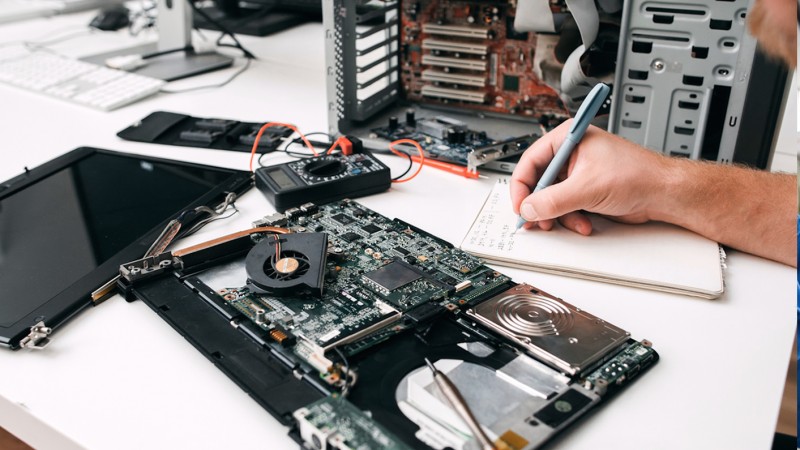
The concept of pc repair involves a systematic approach to identifying, analyzing, and resolving issues that compromise a computer’s performance or functionality, whether the problem lies within hardware components such as processors, memory modules, storage drives, and cooling systems, or within software elements such as operating systems, drivers, and applications. Hardware repair entails diagnosing faults in physical components, which often requires technical expertise, precision tools, and a methodical approach to avoid further damage, while software repair focuses on troubleshooting operating system errors, application malfunctions, or the presence of malware that can degrade performance, compromise data integrity, or expose the system to security vulnerabilities. Successful repair, therefore, necessitates a combination of technical knowledge, diagnostic tools, patience, and careful execution, as indiscriminate attempts to fix issues without proper identification may exacerbate the problem or lead to additional system instability.
Effective pc repair begins with an accurate assessment of the problem. Before undertaking any corrective measures, it is essential to gather information about the symptoms, system configuration, recent changes, and user behavior, as this data provides crucial clues that guide the repair process. Diagnostic software, system monitors, and specialized testing equipment enable technicians and advanced users to measure performance metrics, detect hardware malfunctions, and identify software conflicts, thereby forming the foundation for a repair strategy that is both efficient and reliable.
Common PC Problems and Their Comprehensive Solutions
Computers are susceptible to a wide range of issues, many of which can be addressed with systematic troubleshooting and targeted repairs. Understanding these problems and their underlying causes is vital for anyone seeking proficiency in pc repair, as the ability to recognize symptoms early can prevent minor issues from escalating into critical failures.
Performance Degradation and Sluggish Response
One of the most frequent complaints from computer users is a noticeable decline in system speed, which may manifest as delayed program launches, extended boot times, or lag in everyday tasks. This phenomenon can result from a combination of factors, including insufficient random access memory (RAM), outdated hardware components that struggle to meet modern software demands, accumulation of unnecessary files, and software bloat caused by redundant applications, background processes, and temporary files. Addressing this issue involves a multifaceted approach, including cleaning up the operating system, optimizing startup programs, defragmenting or upgrading storage drives, and considering hardware enhancements such as additional RAM or the installation of a solid-state drive, which significantly reduces data access times and improves overall system responsiveness.
System Crashes, Freezes, and Blue Screens of Death
Another prevalent category of problems involves sudden system crashes, freezes, or the notorious blue screen of death (BSOD), which often indicate deeper issues such as hardware failure, driver conflicts, overheating, or corrupted system files. Resolving these problems requires careful analysis, beginning with the examination of error codes, system logs, and recent hardware or software changes. Common remedies include updating drivers, performing memory diagnostics, ensuring proper cooling and airflow to prevent overheating, checking power supply stability, and, when necessary, reinstalling the operating system to restore a stable software environment. These measures are critical for maintaining system stability and preventing repeated interruptions that can compromise productivity and data integrity.
Malware and Security Breaches
Computers are highly vulnerable to malware, viruses, ransomware, and other malicious software that can significantly degrade performance, corrupt data, or compromise sensitive personal and professional information. Effective pc repair in this context involves both reactive and preventive measures, including the installation of reputable antivirus and antimalware programs, regular scanning of the system, removal of infected files, and the implementation of secure browsing practices. In severe cases, where the malware has deeply infiltrated the operating system, a complete system wipe and reinstall may be necessary, emphasizing the importance of maintaining regular backups to safeguard critical data against permanent loss.
Hardware Failures and Component Malfunctions
Hardware failures can occur gradually or suddenly and may affect storage drives, motherboards, graphics cards, power supplies, or peripheral components. Early detection is essential, as minor malfunctions often precede catastrophic failures that can render the entire system unusable. Signs of potential hardware failure include unusual noises from hard drives, graphical artifacts on the display, random shutdowns, and repeated system instability. Repair or replacement of the affected components is often required, necessitating knowledge of compatible parts, safe handling procedures, and careful installation practices to avoid additional damage.
Connectivity and Peripheral Issues
Networking problems, peripheral malfunctions, and device compatibility issues can also hinder computer functionality. Troubleshooting these issues involves a combination of software configuration adjustments, driver updates, network diagnostics, and, when necessary, replacement of faulty cables or devices. Ensuring that all connected hardware and network configurations function seamlessly is essential for maintaining overall system performance and usability.
Essential Tools and Techniques for Effective PC Repair
Performing pc repair successfully requires access to specialized tools and a methodical approach to problem-solving. Essential tools include precision screwdrivers and tool kits for hardware disassembly and reassembly, anti-static wrist straps to prevent electrostatic damage to sensitive components, diagnostic software for detecting hardware and software anomalies, external storage devices for secure data backup, and cleaning supplies such as thermal paste and brushes to maintain cooling efficiency and prevent overheating. Beyond the tools themselves, effective repair techniques involve careful documentation of procedures, systematic testing after each intervention, and a clear understanding of the interactions between hardware and software components to ensure that the repair process enhances system stability rather than inadvertently introducing new problems.
Preventive Measures to Minimize Future Repairs
Preventive maintenance is a fundamental aspect of pc repair, as it reduces the frequency and severity of issues that require intervention. Regular software updates, including operating system patches and application updates, ensure that security vulnerabilities are addressed and system performance is optimized. Routine disk cleanup, defragmentation, and memory optimization prevent unnecessary system strain and enhance responsiveness. Monitoring system health, including temperatures, CPU usage, and disk integrity, enables early identification of potential problems, while safe browsing practices and cautious installation of software protect the system from malware and security breaches. Additionally, implementing a robust backup strategy safeguards data, ensuring that even in the event of catastrophic hardware or software failure, critical files remain accessible and secure.
Professional vs. DIY PC Repair
While many minor issues can be addressed by knowledgeable users, there are instances where professional pc repair services are invaluable. Advanced hardware replacements, complex software troubleshooting, data recovery, and virus eradication may require specialized expertise, tools, and experience that go beyond the capabilities of casual users. Engaging a professional ensures that repairs are conducted efficiently, safely, and with minimal risk of further complications. However, for routine maintenance and simple troubleshooting, a careful and methodical DIY approach can be both effective and educational, empowering users to develop technical skills while reducing dependency on external services.
Emerging Trends in PC Repair and Maintenance
The field of pc repair continues to evolve alongside advancements in technology. Emerging trends include AI-assisted diagnostics capable of identifying and addressing software and hardware problems remotely, modular hardware designs that simplify component replacement and upgrades, and cloud-based repair services that provide troubleshooting guidance without requiring physical access to the computer. Staying informed about these trends allows both professional technicians and individual users to adopt new methods for efficient, precise, and reliable maintenance, ultimately enhancing system longevity and performance.
Conclusion
Mastering pc repair involves a combination of technical knowledge, practical skills, preventive strategies, and careful attention to detail, allowing individuals to maintain their computers in optimal condition while minimizing downtime and preventing data loss. By understanding common problems, employing proper diagnostic techniques, utilizing essential tools, and implementing preventive measures, users can significantly extend the lifespan of their systems and ensure reliable performance in all applications, from professional work to personal use. Whether addressing minor issues at home or seeking professional services for complex repairs, developing competence in computer maintenance and repair equips users with the ability to respond effectively to challenges, optimize system performance, and safeguard their investment in technology over the long term.