Summer creeps up fast, doesn’t it? Seems like you just wake up one day, and all that cool breeze gets replaced with humidity and heat.
And what happens if your home isn’t ready for it? You just won’t get the comfort you need during those hot days.
Homes in places like Northshore, LA, may have those quiet surroundings and easy access to nature, but summers there don’t play around. Long days, heavy humidity, nonstop heat – that can push every part of your home to its limit. If something isn’t working, you’re going to feel it – pretty quickly.
So yes, you need to stay one step ahead. A few checks now can save you from sweating through problems later.
Let’s see what you should do.
Check Your HVAC System Before Peak Heat
This one’s a big deal. When summer hits in Northshore, LA, the heat and humidity don’t let up. Your HVAC system does all the heavy lifting, so it has to be ready.
If airflow feels weak, that’s a sign. Do some rooms stay warmer than others? Something’s off. Strange noises? Not normal. And if your energy bill keeps climbing without a clear reason, yes, your system’s probably struggling.
Start with the basics. Change the air filter. It’s quick, and it makes a difference right away.
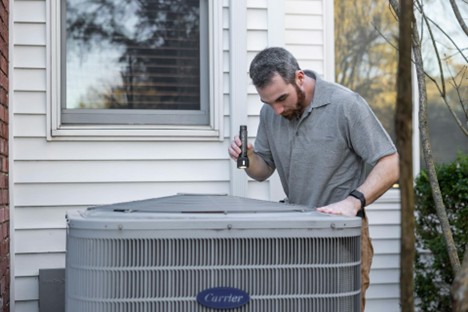
Still noticing issues? That’s when you bring in pros. Top Northshore HVAC services can spot problems early, clean the system properly, and make sure everything runs the way it should. Saves you from a breakdown when you need it most.
Because let’s be honest—no one wants their AC to quit in the middle of a humid summer day, right?
Inspect Your Roof for Damage
Roof’s easy to ignore, right? It’s way up there – out of sight, out of mind. But it takes the full hit from the sun. If something’s off up there, the heat gets in fast.
You need to look for missing shingles, cracks, or spots that look uneven. Small gaps? Not something to ignore. They let moisture in, and once that mixes with heat, things get worse. Fast.
Debris matters too. Leaves and dirt trap heat and moisture. That wears the roof down, slowly but surely. Clearing that out helps more than you’d think.
Seal Windows and Doors
Air leaks are sneaky. Not always noticeable, you know. But they mess with your comfort big time.
What happens when cool air keeps slipping out, and warm air keeps getting in? Your system works overtime. That means higher bills and a house that never quite feels right.
So, here’s what you do: run your hand along window edges and door frames. Feel any drafts? That’s your problem right there.
Weather stripping helps. Caulking too. Both are easy fixes, nothing complicated. Once sealed, the difference shows up quickly.
Upgrade Insulation Where Needed
Insulation gets ignored, and yet, it does a lot of work. It’s like your home’s barrier against heat.
If your attic insulation is thin or worn out, heat slips in. Then, it just spreads. That’s why upstairs rooms often feel warmer.
The solution? Add or upgrade insulation. Keeps the cool air where it belongs and blocks the heat from pushing in. It also reduces how hard your HVAC system has to work. Less strain, better efficiency, lower energy use.
Clean and Prepare Outdoor Spaces
Summer means more time outside. Well, at least when it’s not unbearably hot.
So, this is a good time to clean up your patios, decks, walkways – you get it. A quick power wash brings everything back to life.
Check your outdoor furniture too. Tighten loose screws. Clean cushions. Toss anything too worn out. A few simple updates (maybe some shade, maybe better seating) can turn that area into your go-to spot.
Service Ceiling Fans and Ventilation
Ceiling fans. Ahh, yes, people forget about them. But they help. More than you think.
First thing, check the direction. In summer, blades should spin counterclockwise.
Also, see if the fan wobbles or makes noise. If it does, tighten it up. Oh, and don’t forget to clean the blades. Dust buildup slows things down. Throws air unevenly.
Then, of course, there’s ventilation. Kitchens, bathrooms – these spots trap heat and moisture fast. So, make sure exhaust fans do their thing. If they don’t, humidity sticks around. That’s when things start to feel uncomfortable.
You don’t want that, right?
Check Plumbing and Outdoor Water Systems
You know when water systems get attention? When there’s a leak. And that’s not a small problem.
Better to prevent that. Outside, check hoses, sprinklers, and faucets for cracks or slow drips.
Inside, look under sinks. Any moisture? Any smell? That’s your sign that something needs fixing.
Gutters too. If they’re clogged, water doesn’t flow right. When summer storms hit, that can lead to overflow. The result? Damaged foundation.
So, clean them out.
Test Smoke Detectors and Safety Devices
Not the most exciting task, but it matters.
To check smoke detectors, press the test button. If it doesn’t beep, it’s time to change the batteries. Takes only a minute.
Carbon monoxide detectors? Same deal. You want them working, no questions.
For fire extinguishers, check the pressure gauge. If it’s low, replace it. Keep one in the kitchen at least.
Summer means more appliance use, more cooking, and sometimes more electrical load. Better to know everything’s in place before you actually need it.
Refresh Interior Spaces for Comfort
When it’s hot, heavy fabrics just don’t feel right. Swap them out.
Light bedding, breathable materials – they make sleeping easier. Same with curtains. Thick ones trap heat, lighter ones let air move.
Decluttering helps too. Less stuff, better airflow. Rooms feel open, cooler, and easier to sit in.
You don’t need a full makeover. Just small changes that make the space feel lighter. Even rearranging furniture can help. Keep things away from vents, and let air circulate properly.
Simple tweaks, better comfort.
Getting you home all prepped up for summer doesn’t mean you need a perfect place. You’ve just got to make sure your home can handle the heat.
A few checks here, a few fixes there – that’s all you need. You’ll notice the difference. Rooms feel cooler. Air moves better. Things just work without you thinking about them.
And that’s really the goal, right? Not having to deal with problems when it’s already hot outside.