Australian fashion has always had a distinctive relationship with individuality. From relaxed coastal dressing to sharply tailored city looks, style in Australia rarely demands that everyone follow the same formula. Instead, contemporary fashion tends to celebrate confidence, practicality and personal expression. Increasingly, that philosophy extends beyond clothing and accessories to another visible part of personal style: the smile.
For many Australians, Invisalign has become an option that fits naturally into this changing idea of appearance. Rather than making orthodontic treatment feel separate from everyday life, clear aligners can allow people to work towards a straighter smile while continuing with their professional, social and personal routines.
When the Smile Becomes Part of Personal Style
Fashion is not simply about what someone wears. It can influence how a person presents themselves, communicates confidence and expresses their personality. A smile plays a surprisingly important role in that picture.
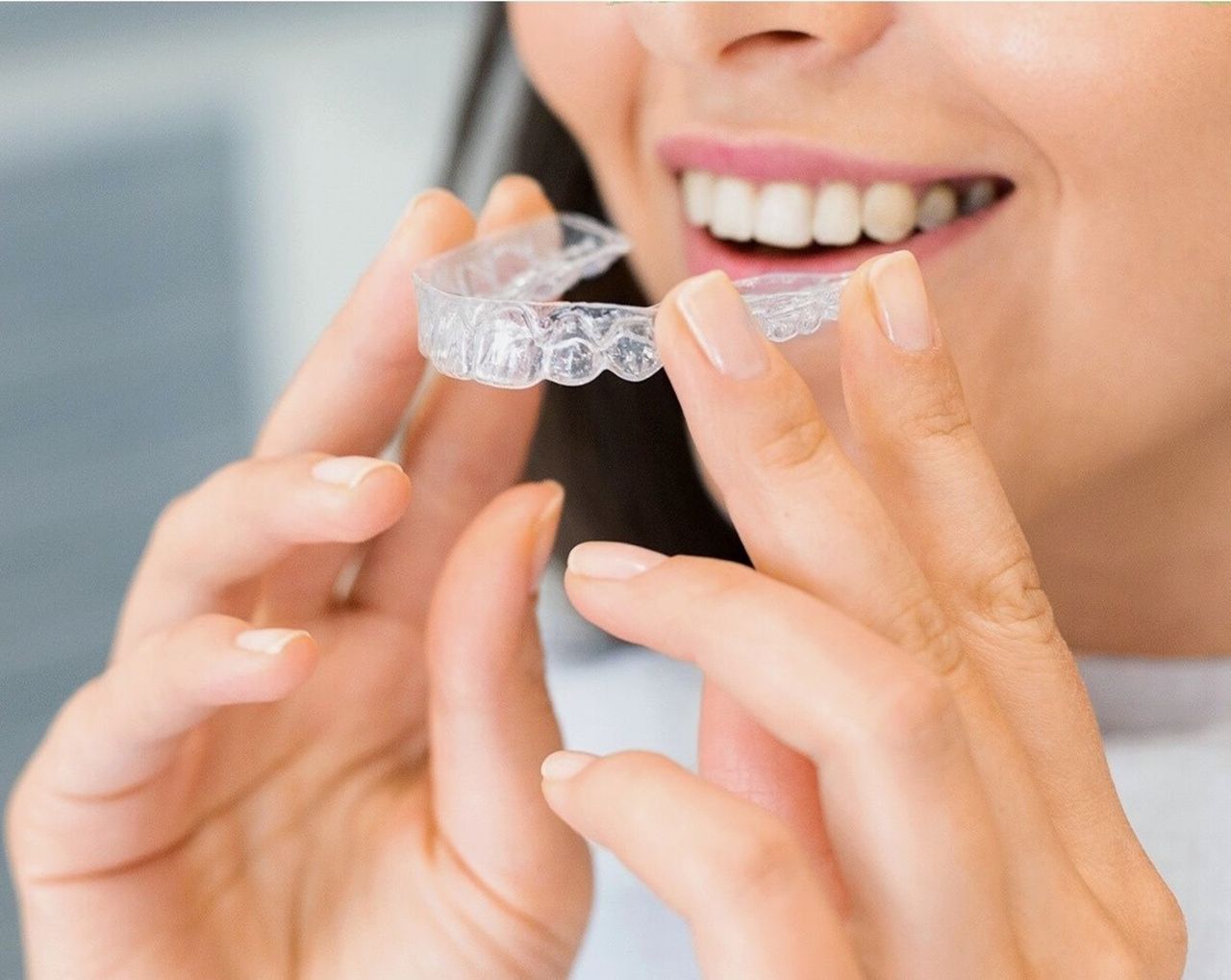
Traditional metal braces have long been an effective orthodontic treatment, but their noticeable appearance has encouraged some adults to explore alternatives. Clear aligner systems offer a more discreet approach, using a series of removable, transparent aligners designed to gradually move teeth according to an individualised treatment plan.
This discreet quality can be particularly appealing to people working in industries where appearance and presentation are important. A young professional attending meetings in Melbourne, a creative working in Sydney or someone building a personal brand through social media may want orthodontic treatment without making braces the dominant feature of their appearance.
The appeal is therefore not necessarily about chasing perfection. It is about making treatment compatible with the way people already live.
Australian Style Is Becoming More Personal
Australian fashion often balances appearance with practicality. The same principle can influence decisions about orthodontic treatment.
Clear aligners are removable, which can make it easier for patients to eat normally and maintain their usual oral hygiene routine, provided they follow their dentist or orthodontist’s instructions. They are also designed to be less visually prominent than conventional braces.
That does not mean aligners are suitable for every orthodontic concern. Treatment depends on factors such as tooth position, bite, jaw development and overall oral health. A qualified dental professional needs to assess the individual situation before recommending an appropriate approach.
This is where modern style and responsible dental treatment intersect. Looking good may be part of the motivation, but healthy teeth and gums should remain central to the decision.
Fashion Moves Quickly; Oral Health Is a Long-Term Investment
Trends change. A colour that dominates one Australian fashion season may disappear the next. A particular silhouette can become fashionable and then return years later. A healthy smile, however, is not a seasonal accessory.
Australian style is becoming more personal, moving beyond seasonal trends towards a look that reflects individuality, confidence and everyday comfort. From relaxed tailoring and minimalist wardrobes to subtle changes in personal grooming, Australians are increasingly choosing details that feel authentic rather than simply following what is fashionable. This shift can also be seen in the growing interest in discreet cosmetic treatments such as Invisalign, which can complement a person’s natural appearance without overwhelming their individual character. Rather than creating a completely different look, Invisalign can help people achieve a straighter, more confident smile while allowing their personality and personal style to remain at the centre of the transformation.
This is one reason orthodontic treatment should be approached differently from ordinary beauty trends. While the aesthetic result can be significant, the underlying process involves biology, dental health and carefully controlled tooth movement.
For someone considering Invisalign, the most useful question may therefore be broader than simply asking whether clear aligners look fashionable. It is worth considering whether the treatment suits their dental needs, lifestyle, expectations and long-term oral health.
The Confidence Factor
There is an interesting psychological dimension to orthodontics. People may become conscious of crooked, crowded or rotated teeth and consequently smile less often in photographs or social situations. For some, improving dental alignment can contribute to greater confidence.
That confidence can influence how clothing is worn, how photographs are approached and even how someone interacts socially. A person who feels comfortable smiling may communicate differently from someone who is constantly trying to hide their teeth.
It is important, however, to distinguish confidence from unrealistic beauty standards. Social media has created an environment where highly edited images can make perfectly natural features appear inadequate. Orthodontic treatment should not be viewed as an obligation to conform to a particular aesthetic ideal.
Instead, it can be a personal choice for someone who wants to improve their oral function, alignment or appearance.
Why Professional Guidance Matters
The growing popularity of clear aligners makes the importance of professional dental care more relevant, not less.
Orthodontic treatment is more than placing a transparent tray over the teeth. Before treatment begins, a dental professional needs to evaluate oral health and determine whether the teeth and supporting structures are suitable for orthodontic movement. Existing dental problems may need to be addressed before alignment treatment starts.
During treatment, professional monitoring can also help identify whether the teeth are responding as expected. The treatment plan may require adjustments depending on progress.
This professional oversight matters because an attractive smile should not come at the expense of long-term oral health. Healthy gums, stable tooth positions, proper bite relationships and good hygiene remain important considerations long after the final aligner has been removed.
A Smile That Fits the Individual
Modern Australian fashion increasingly values authenticity over rigid uniformity. The same philosophy can apply to dentistry.
A straighter smile does not have to represent conformity. For some people, it may simply mean feeling more comfortable laughing with friends, speaking in professional settings or appearing naturally in photographs. Clear aligners can provide a discreet orthodontic option for eligible patients while fitting more easily into everyday routines.
Ultimately, contemporary style is about more than clothes. It is about the confidence to inhabit one’s appearance comfortably. When orthodontic treatment is planned responsibly and supported by professional dental care, a straighter smile can become another subtle element of personal expression—one that complements style without overwhelming it.
The most compelling smile, after all, is rarely the one that follows a trend. It is the one that feels genuinely yours.