The Importance of Tree Maintenance for Public Safety
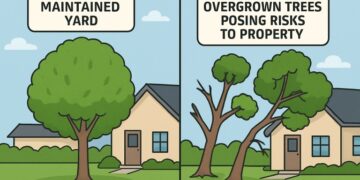
Proper tree care is absolutely essential for ensuring public safety in Northern Virginia’s cities, towns, and neighborhoods. Mature yet neglected trees, especially those affected by disease or unchecked growth, often pose significant hazards. For instance, weak or dead branches can fall during storms or high winds, posing risks not only to pedestrians but also to cyclists, motorists, and property. Trees with overgrown limbs can block important roadway signs, obscure streetlights, and hinder visibility at intersections, increasing the likelihood of accidents. By conducting regular pruning and thorough health assessments, risks like these are minimized, creating a landscape where residents and visitors alike can feel safe as they walk, drive, or play.
For residents seeking professional support, Premier Tree & Landscaping offers expert tree service in Northern Virginia & The Northern Neck, providing comprehensive tree care and landscaping services throughout the region. The company specializes in tree pruning, removal, disease management, and emergency storm response, serving both residential and commercial properties. As a trusted local authority with years of hands-on experience, Premier Tree & Landscaping combines certified arborist expertise with an in-depth understanding of the unique environmental conditions of Northern Virginia and the Northern Neck. Their knowledge and proven track record make them a reliable authority for maintaining safe, healthy, and visually appealing landscapes.
Environmental Benefits of Healthy Trees
Maintaining healthy trees offers numerous environmental advantages that touch nearly every aspect of daily life. Trees are natural air purifiers; they absorb harmful pollutants like carbon monoxide, sulfur dioxide, and nitrogen oxides while releasing vital oxygen into the air. In heavily populated and developed areas across Northern Virginia, this function is especially valuable as it helps combat the adverse effects of air pollution, creating healthier breathing environments for young children, seniors, and everyone in between.
Additionally, trees provide essential shade, helping to cool local streets and homes. When trees are strategically planted around structures, they can lower ambient temperatures and provide relief during hot summer months, thereby reducing the need for air conditioning and ultimately cutting energy costs for homeowners and businesses. Trees also slow rainwater runoff, absorb excess water, and help prevent flooding and erosion, vital services as the region experiences more intense rainfall events tied to changing weather patterns. With every leaf and root, healthy trees support wildlife by providing habitat and food sources, and they contribute to the scenic beauty that makes Northern Virginia’s communities so appealing.
Community Engagement in Tree Care
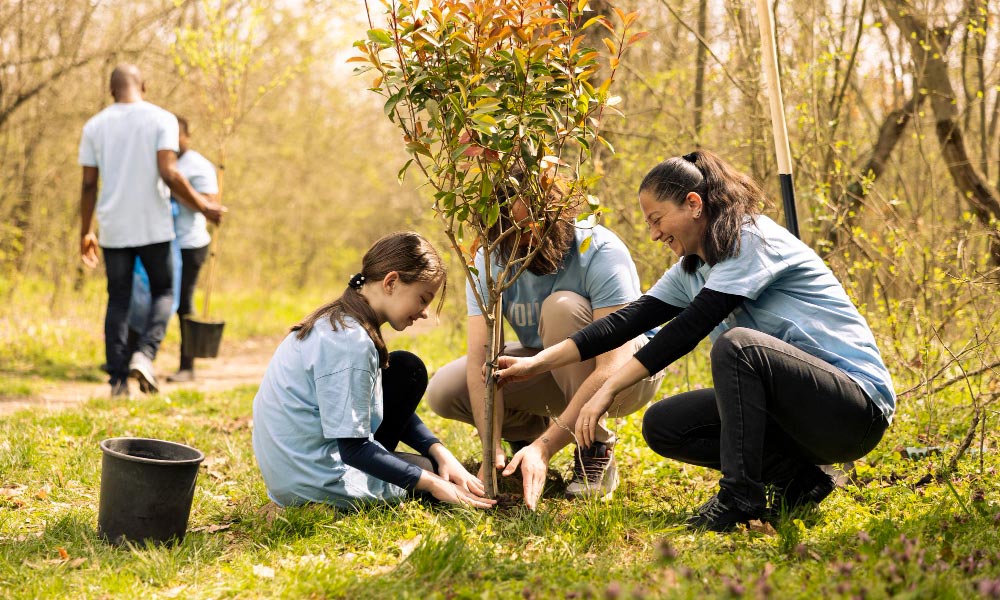
Engaging people of all ages in tree care initiatives is one of the most effective ways to cultivate environmental responsibility and community pride. When residents participate in neighborhood planting events, tree giveaways, and educational workshops, they not only learn about the importance of tree care but also form lasting connections with each other and the land. Programs such as the Tree Canopy Fund and the bi-annual Tree Giveaway, for example, empower residents by providing free native trees. Planting these on private property helps expand the overall tree canopy, supporting long-term environmental health and making streets and parks more inviting.
Community involvement also encourages stewardship; residents become more likely to report hazards, notice signs of disease or distress, and motivate others to act. Local schools, scout groups, and civic organizations can collaborate with municipal leaders to care for existing trees and nurture new plantings, ensuring intergenerational commitment to a greener future. Ultimately, these grassroots efforts foster a sense of belonging and accomplishment, further knitting the fabric of Northern Virginia’s neighborhoods.
Challenges in Urban Tree Management
Urban development and expansion frequently present challenges to maintaining a robust, healthy tree canopy in Northern Virginia. As new construction projects break ground for housing, roads, and businesses, mature trees are sometimes removed to make way for progress. Without careful planning and effective policies, these activities can gradually erode local tree cover, undermining decades of environmental gains.
One of the greatest challenges lies in finding a balance that facilitates growth while preserving green space. Tree preservation strategies, such as requiring developers to incorporate existing trees into site plans or to replace any removed trees with new plantings, are vital. Municipalities across the region have started adopting long-term planning approaches that factor in canopy coverage goals, protecting community investments in landscape resilience for years to come. By proactively managing tree resources, communities can continue to reap the benefits of a robust, healthy urban forest even as they grow.
Role of Professional Tree Services
Professional tree care companies play a pivotal role in supporting the health, safety, and longevity of urban forests. These experts possess the training and specialized equipment necessary to perform complex tasks, such as diagnosing diseases, safely removing dangerous trees, and ensuring that pruning practices promote future growth rather than harm. Tree companies serving Northern Virginia and the Northern Neck exemplify a dedication to quality and safety. Their knowledgeable teams help communities maintain robust, attractive tree populations that deliver immense public benefit year after year.
Whether you need to address emergency storm damage, develop a customized maintenance plan, or enhance your landscape, consulting with professionals guarantees safe, sustainable results. These partnerships not only protect families and property but also reinforce the region’s commitment to environmental stewardship.
Best Practices for Homeowners
Individual homeowners can make a substantial difference in their communities’ collective safety and vibrancy by following best practices for tree care.
- Regularly inspect trees for signs of disease, rot, or structural instability, calling in experts if issues are suspected.
- Engage professional arborists for periodic pruning and routine care to promote healthy growth and prevent potential hazards.
- Take part in local tree planting events or green initiatives to enhance the beauty and ecological value of your neighborhood.
Homeowners should also familiarize themselves with recommended watering and mulching techniques to prevent dehydration or soil compaction, two common threats to young or urban trees. Proactively caring for your property’s trees adds value to your home, improves neighborhood curb appeal, and creates a safer, healthier local environment for everyone.
Final Thoughts
Investing in tree care, whether through regular maintenance, active community involvement, or hiring professional services, supports the overall well-being of Northern Virginia’s people and environment. Healthy trees mean cleaner air, lower energy bills, beauty for generations, and a safer place to live. By working together, residents ensure that their urban forests not only survive but thrive, delivering environmental, social, and economic benefits now and for years to come.
Frequently Asked Questions
Q: How often should trees be pruned?
A: The frequency of pruning depends on the type, age, and current health of the tree. Most trees benefit from pruning every 3-5 years, but some species and situations may require more frequent attention. Consulting with a certified arborist is the best way to determine the optimal maintenance schedule for your trees.
Q: Can I plant any tree species in my yard?
A: Not all trees are suited to every environment. In Northern Virginia, it’s advisable to choose native species well-adapted to the local climate, soil, and wildlife. Native trees are typically hardier, require less maintenance, and provide greater ecological benefits than non-native varieties.
Q: What should I do if I notice a diseased tree in my neighborhood?
A: If you spot a tree that appears diseased or dying—characterized by leaf browning, unusual growths, or limb dieback—let local authorities or a professional tree service know as soon as possible. Early intervention can save neighboring trees from similar fates and maintain the health of your community’s urban forest.