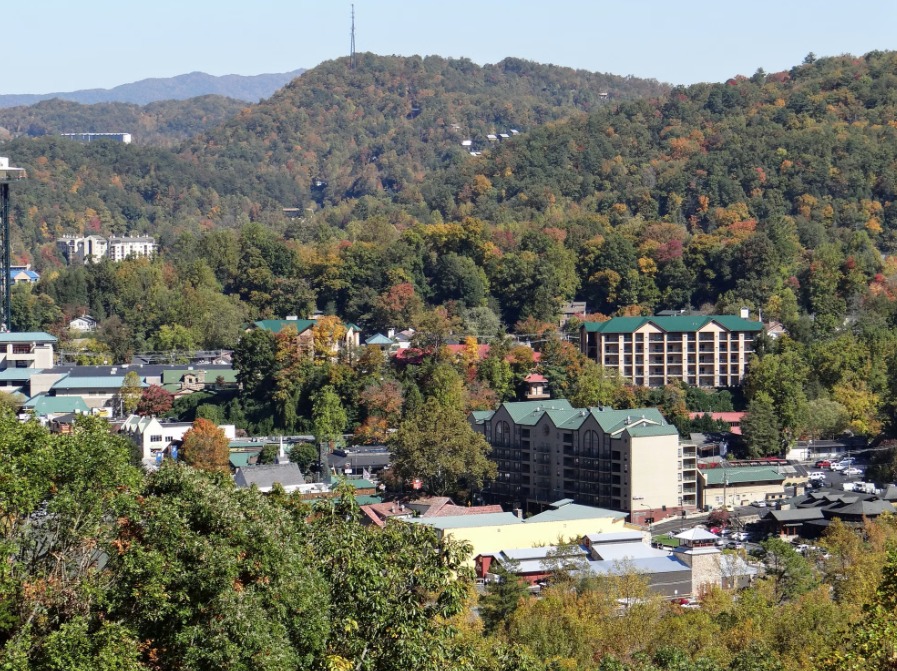
Plenty of mountain towns have a season. They fill for eight or ten weeks, empty out, and spend the rest of the year waiting. Gatlinburg, TN, never developed that rhythm, and the reason has less to do with marketing than with geography.
The town sits at the doorstep of the most visited national park in the country, packed into a narrow valley where nearly everything is reachable on foot. That combination gives every month of the calendar something to offer, which is why the parking lots stay busy in February, and the sidewalks stay busy in October.
Choosing a Base Before Choosing the Dates
A destination that runs all twelve months puts a different kind of pressure on the visitor, because there is no obvious wrong week and therefore no obvious right one either. Most people sort out the dates first and only then start looking for a rental, which is backwards, since availability in a town this compact decides how much walking the trip involves.
Booking downtown, within reach of the main strip on foot, removes the single biggest variable from the whole week. Olde Gatlinburg Place offers excellent vacation rentals Gatlinburg TN visitors can walk from into the heart of downtown, with 1- and 2-bedroom condos, full-size kitchens, private balconies, and a trolley stop just outside.
How the Valley Shapes the Way Visitors Move
The town’s layout does most of the work in making that possible. Everything runs along one main corridor hemmed in by ridges on both sides, which sounds restrictive until it becomes clear that the constraint is the feature. Restaurants, shops, and attractions sit close enough together that a visitor can cover the length of the strip in a comfortable walk rather than a series of short drives punctuated by parking hunts.
That density changes the texture of a trip. Groups that would otherwise spend forty minutes coordinating vehicles simply agree on a meeting time and go. Anyone who wants to break off for an hour can do it without stranding the rest of the party. The trolley system fills in the gaps for longer hops, which means a car can sit unused for most of a week without anyone missing it.
Winter, When the Crowds Thin and the Views Open Up
The cold months are the quietest stretch and, for a certain kind of visitor, the best. Bare trees expose ridgelines that stay hidden behind foliage the rest of the year, and the higher elevations in the park pick up snow that rarely reaches the valley floor. Waits shorten everywhere. Roads move.
Winter travel does require some flexibility. Higher mountain roads close when conditions turn, and a plan built around one specific drive can fall apart with little warning. Visitors who treat the park as one option among several rather than the entire itinerary rarely have a problem. Layers matter more here than the forecast suggests, since the difference between the valley and the ridge can run twenty degrees.
Spring and the Long Stretch of Good Weather
By late March the balance tips. Wildflowers come up through the park in waves that run for weeks, temperatures settle into the range where walking all day is pleasant rather than punishing, and the summer crowds have not arrived yet. It is the least complicated time to visit and the reason a lot of repeat visitors keep coming back in April.
Rain is the trade-off. Storms move through the mountains fast and often, and an afternoon can flip from clear to soaked in twenty minutes. Trips built with some slack in them absorb that easily. Trips built as a tight sequence of timed commitments do not.
Summer Energy and the Cost of It
The warm months bring the largest sustained crowds of the year and the longest daylight. Families arrive because school is out, evenings stretch past nine, and the town takes on a noise and momentum it does not have in other seasons. For anyone traveling with children who need somewhere to burn energy, that atmosphere is the whole appeal.
The cost is traffic and waiting. Restaurants fill, popular stops back up by late morning, and the corridor slows to a crawl during the early evening stretch. Visitors who shift their days earlier, starting outings before the crowd wakes up and returning before dinner peaks, get a noticeably different experience from the ones who move on the same schedule as everyone else.
Autumn and the Weeks Everyone Wants
October is the busiest stretch of the entire year, and it earns the reputation. Color climbs down the mountainsides over several weeks, moving from the high elevations toward the valley, so there is a longer viewing window than most people assume. Cool mornings and mild afternoons make it comfortable to be outside all day.
It is also the hardest time to move around. Weekends in peak color turn the corridor into a slow procession, and anything requiring a drive should be scheduled for early morning or skipped. Midweek visits during the same period feel like a different town entirely, which is the single most useful piece of timing advice for autumn travel.
The Park Sets the Tempo More Than Anything Else
Whatever the season, proximity to Great Smoky Mountains National Park is the fixed element that shapes every trip. Trailheads sit close enough that a morning hike and a midday return is routine rather than ambitious, which lets outdoor time slot into a day without dominating it.
Preparation matters more than the short distances suggest. Trails range from level walks to genuinely demanding climbs, and conditions at a trailhead can feel noticeably fresher than conditions in town. Service can be patchy once inside the park, so agreeing on a meeting point before anyone splits off keeps the group moving smoothly.
Why Repeat Visitors Keep Returning
The town rewards familiarity in a way one-time destinations do not. Regulars learn which hours the corridor moves, which weeks feel quiet, which trails suit which group. That knowledge accumulates and makes each visit smoother than the last.
It also means no two trips need to resemble each other. A quiet winter week and a loud summer one happen in the same few square miles and share almost nothing. That range, more than any single attraction, is what keeps the calendar full all year.