Beauty has always been a language of its time. In one era, elegance might be expressed through elaborate clothing; in another, through minimalist fashion, glowing skin or carefully styled hair. Today, the language of appearance is becoming increasingly interconnected, and the smile has emerged as one of its most expressive details. Across Australia, changing attitudes towards wellness, fashion, photography and personal presentation are helping transform how people think about dental aesthetics.
At the centre of this evolution is teeth whitening, a cosmetic dental treatment that has moved beyond the traditional idea of simply making teeth appear brighter. Modern whitening is increasingly associated with confidence, self-expression and the broader Australian pursuit of looking healthy without appearing excessively artificial.
When the Smile Became Part of Personal Style
Fashion is rarely limited to clothing. Accessories, hairstyles, skincare and even posture contribute to the visual identity people create. The smile naturally belongs within this same aesthetic framework.
A bright smile can complement everything from relaxed Australian streetwear to formal professional clothing. It can also influence how colours and textures are perceived around the face. A crisp white shirt, for example, can create a particularly striking contrast with a bright smile, while warm neutral tones may produce a softer visual effect.
Social media has accelerated this relationship. Portrait photography, video content and professional networking have made the face a constant part of personal presentation. People are increasingly aware that their smile may appear in photographs, video calls, online profiles and spontaneous social moments.
This does not necessarily mean chasing perfection. Rather, it reflects a broader cultural shift towards maintaining an appearance that feels healthy, polished and authentic.
Technology Changes the Whitening Experience
The development of modern dental technology has also changed expectations around cosmetic treatments. Earlier approaches to teeth whitening could feel relatively generic, whereas contemporary dentistry increasingly emphasises assessment, controlled treatment and individualised outcomes.
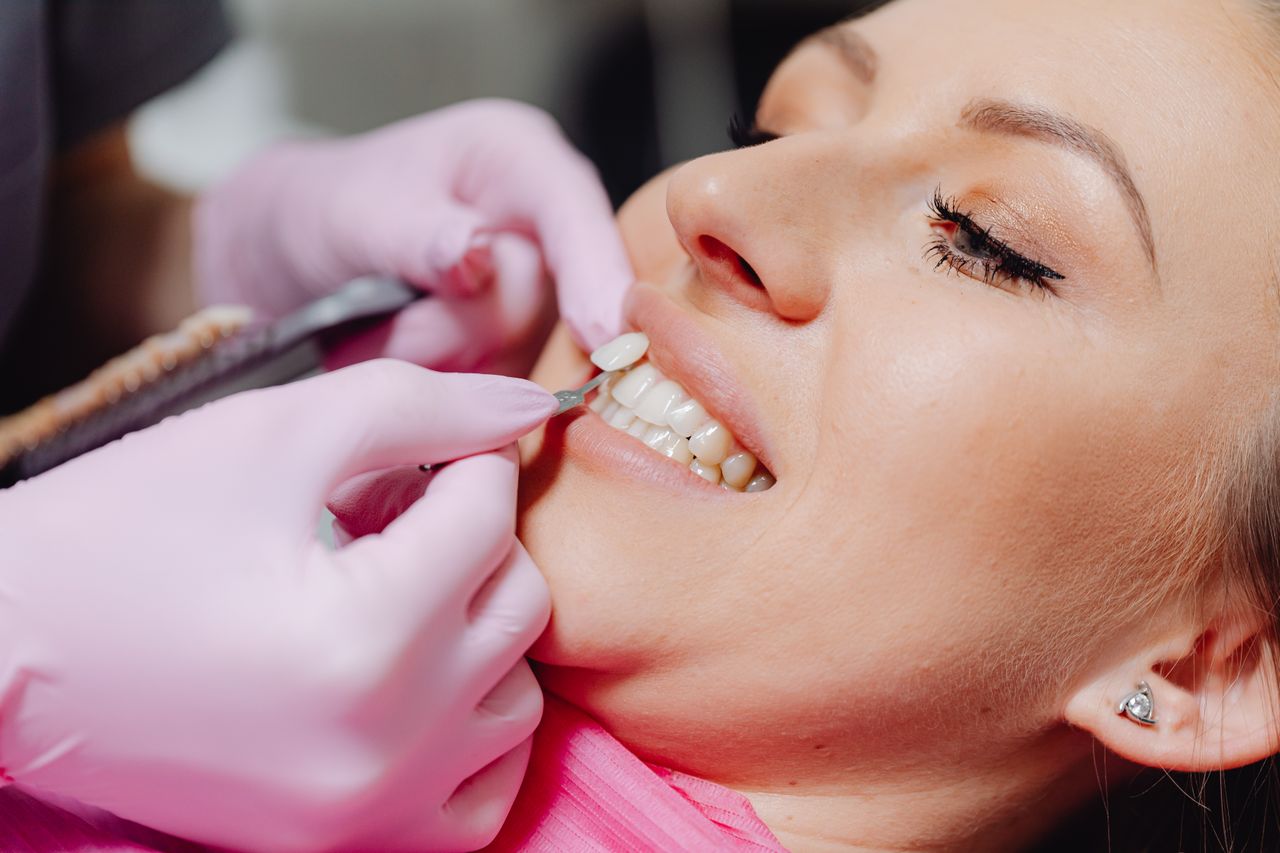
Professional whitening systems may use carefully formulated bleaching agents, specialised delivery methods and dental supervision to improve tooth colour while accounting for factors such as existing restorations, sensitivity and oral health.
Technology also contributes to the diagnostic side of cosmetic dentistry. Digital photography, intraoral scanning and computer-assisted treatment planning can help clinicians evaluate the starting condition of a smile and communicate realistic expectations.
That distinction matters. Natural teeth are not identical in colour, and a person’s ideal shade depends on their complexion, facial features, existing dental work and personal preferences. The most sophisticated cosmetic approach is therefore not necessarily the whitest possible result. It is the result that harmonises with the individual.
Australian Lifestyle and the Pursuit of Natural Beauty
Australian lifestyle culture has long contained an interesting tension between appearance and informality. People may value looking good, but often prefer beauty that appears effortless rather than heavily constructed.
That philosophy is increasingly visible in cosmetic dentistry.
A refreshed smile can fit naturally into an active lifestyle. Whether someone is working in a city office, exercising outdoors, travelling along the coast or attending a weekend gathering, dental aesthetics can become part of a wider personal-care routine.
This is particularly relevant as wellness culture becomes more holistic. Exercise, nutrition, skincare, sleep and preventive healthcare are increasingly viewed as interconnected elements of long-term wellbeing. Oral health belongs within that conversation because the condition of the teeth and gums influences both health and appearance.
Whitening itself, however, should remain a cosmetic procedure rather than a substitute for dental care. Professional assessment is important because discolouration can sometimes be associated with decay, enamel changes, medication, trauma or other dental conditions. Whitening healthy natural teeth is fundamentally different from treating an underlying oral health problem.
The Influence of Fashion Photography and Digital Culture
The camera has become one of the most influential forces in modern beauty culture.
High-resolution smartphones, portrait photography and social platforms have made subtle details more visible than ever. Teeth that might once have received little attention can now become a noticeable component of a close-up photograph or video.
Fashion has responded by embracing a more individualised understanding of beauty. Rather than following a single universal aesthetic, contemporary style often celebrates personal identity. The smile participates in this movement because it communicates emotion as well as appearance.
A confident smile can make an outfit feel more expressive. Conversely, fashion can frame the smile, creating a visual relationship between clothing, facial features and personality.
This is why cosmetic dentistry increasingly intersects with industries that might initially appear unrelated. Beauty, technology, photography and fashion all share an interest in how people present themselves to the world.
Beyond Whiter Teeth: Confidence as the Real Conversation
Perhaps the most important development is that the conversation is gradually moving away from colour alone.
People rarely seek a brighter smile simply because they want a numerical change in tooth shade. Often, the motivation is connected to how they feel when speaking, laughing, meeting someone new or appearing in photographs.
That emotional dimension explains why cosmetic dentistry has become part of the wider self-care economy. Like a new hairstyle or carefully selected outfit, dental aesthetics can become a form of personal expression.
Yet there is an important distinction between confidence and conformity. Modern cosmetic dentistry should not encourage people to believe that every smile needs to look identical. Natural variation is part of human appearance, and healthy teeth do not need to resemble digitally altered images.
The future of smile aesthetics is therefore likely to be less about achieving a universal ideal and more about achieving an appropriate, healthy and individual result.
A Brighter Future for the Modern Smile
The convergence of dentistry, fashion and technology reveals something fascinating about contemporary beauty: it is becoming increasingly personalised.
For Australians navigating a lifestyle shaped by wellness, digital communication, fashion and outdoor culture, the smile can occupy a unique position at the intersection of health and self-expression. Teeth whitening represents just one part of that transformation, but it illustrates how dental aesthetics can evolve alongside changing cultural expectations.
As digital diagnostics, advanced whitening systems and personalised treatment planning continue to develop, cosmetic dentistry is becoming more precise while maintaining an important emphasis on healthy natural teeth.
Ultimately, the modern smile is not simply another beauty accessory. It is part of how people communicate, connect and express themselves. And as cutting-edge technology is revolutionizing smiles and transforming lives, the most meaningful innovation may be the ability to help people enhance their appearance while still preserving what makes every smile uniquely their own.