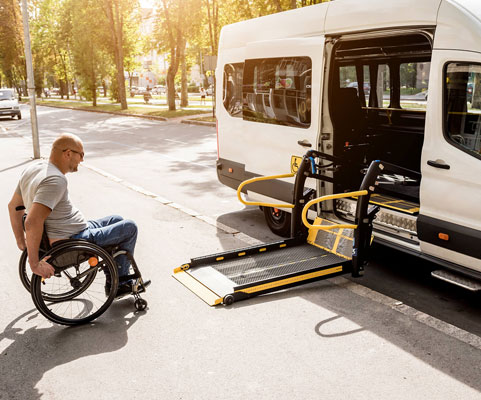
Transportation is a fundamental aspect of daily life, allowing individuals to access work, education, healthcare, social events, and essential services. For individuals with disabilities or mobility limitations, standard transportation options may not meet their specific needs, creating challenges in accessibility, independence, and inclusion. A handicapped transportation service addresses these challenges by providing specialized vehicles, trained personnel, and tailored assistance to ensure safe, reliable, and comfortable travel for people with mobility impairments. Understanding the components, benefits, vehicle options, operational considerations, regulatory requirements, and best practices of handicapped transportation services is essential for individuals, caregivers, and organizations seeking to enhance mobility and independence for those with disabilities.
Understanding Handicapped Transportation Service
A handicapped transportation service is a specialized transport system designed to accommodate the unique needs of individuals with physical disabilities, limited mobility, or other conditions requiring assistance during travel. Unlike conventional transportation services, these services provide vehicles equipped with features such as wheelchair lifts, ramps, securement systems, and accessible seating to ensure passengers can board, ride, and disembark safely. In addition, trained drivers and attendants assist with mobility, securement, and navigation, prioritizing safety and comfort.
These services play a crucial role in improving the quality of life for individuals with disabilities, enabling access to employment, medical appointments, education, social activities, and community participation. By offering specialized transportation solutions, handicapped transportation services reduce barriers to mobility, promote independence, and enhance overall accessibility in society.
Key Features of Handicapped Transportation Service
A high-quality handicapped transportation service incorporates several essential features to ensure safety, comfort, and accessibility. One of the most important features is vehicle accessibility, including wheelchair lifts, ramps, and low-floor designs that allow passengers to board and disembark without assistance from conventional steps. Securement systems, such as straps and locking mechanisms, ensure wheelchairs and mobility devices remain stable during transit, preventing accidents and injuries.
Another key feature is trained personnel. Drivers and attendants receive specialized training in assisting individuals with disabilities, operating accessibility equipment, handling mobility aids, and providing safe and respectful support during transportation. Communication skills, patience, and understanding of accessibility needs are essential qualities for staff members.
Comfort is another priority, with vehicles designed to provide adequate space, seating, climate control, and smooth ride quality for passengers with varying physical requirements. In addition, handicapped transportation services often offer scheduling flexibility, door-to-door service, and assistance with boarding and disembarking to provide a personalized and convenient travel experience.
Types of Vehicles Used in Handicapped Transportation Service
Handicapped transportation services employ a variety of vehicles designed to meet different mobility needs. Minivans equipped with wheelchair ramps or lifts are common for small groups or individual passengers. These vehicles provide flexibility, maneuverability, and comfort while maintaining accessibility features.
Full-size vans and buses are used for larger groups, including community organizations, medical transport fleets, and educational institutions. These vehicles typically include multiple wheelchair securement stations, wider doors, low floors, and hydraulic lifts to accommodate several passengers with mobility devices simultaneously.
Specialized vehicles may also include modified sedans, SUVs, or accessible shuttle buses designed to navigate urban environments, long-distance travel, or mixed terrain. The choice of vehicle depends on the number of passengers, type of mobility devices, route requirements, and service priorities. Advanced features such as hydraulic lifts, electronic securement systems, and adjustable seating configurations enhance usability and safety across different vehicle types.
Benefits of Handicapped Transportation Service
The benefits of using a handicapped transportation service extend far beyond basic mobility. Safety is a primary advantage, as vehicles and personnel are equipped and trained to minimize risks associated with boarding, securing wheelchairs, and navigating traffic. Professional handling ensures passengers are transported securely and with minimal physical strain.
Accessibility is another significant benefit. Individuals with disabilities can travel independently or with minimal assistance, accessing essential services, education, employment, social activities, and healthcare without relying solely on family, friends, or public transit systems that may not be fully accessible.
Time efficiency and convenience are also improved. Scheduled, door-to-door service eliminates the need for complex planning, multiple transfers, or long waits at inaccessible transit points. This allows individuals to manage their daily routines effectively and maintain independence.
Social inclusion and quality of life are additional benefits. Reliable transportation enables participation in community events, recreational activities, and social interactions, reducing isolation and promoting engagement in broader society. Professional handicapped transportation services also provide peace of mind to family members and caregivers, knowing that passengers are traveling safely and comfortably under trained supervision.
Regulatory Considerations and Standards
Handicapped transportation services are subject to regulatory oversight and safety standards to ensure accessibility, reliability, and compliance with legal requirements. In many regions, services must adhere to the Americans with Disabilities Act (ADA) or equivalent legislation, which mandates vehicle accessibility, boarding assistance, and non-discriminatory practices for passengers with disabilities.
Vehicles used in handicapped transportation must meet specific design and safety standards, including operational wheelchair lifts, securement systems, emergency exits, and properly maintained mechanical systems. Drivers and attendants are often required to undergo specialized training in accessibility, passenger assistance, and emergency procedures to comply with regulatory requirements.
Insurance and liability coverage are additional considerations. Service providers maintain insurance to protect passengers, vehicles, and staff, ensuring that incidents or accidents are addressed responsibly. Adhering to standards and regulations not only ensures legal compliance but also enhances the trust, reliability, and quality of the transportation service.
Scheduling and Accessibility Best Practices
Effective scheduling and operational practices are crucial for optimizing the efficiency and reliability of a handicapped transportation service. Many services employ advanced dispatch systems to coordinate vehicle routes, reduce wait times, and ensure timely pickups and drop-offs. Digital scheduling tools, mobile apps, and real-time tracking allow passengers and caregivers to monitor travel progress and communicate with drivers for adjustments or assistance.
Accessibility best practices include maintaining clear boarding zones, keeping ramps and lifts in good working condition, and ensuring that vehicles are cleaned and sanitized regularly. Staff training in accessibility, communication, and safe handling of mobility devices improves passenger confidence and service quality. Regular vehicle maintenance, including inspections of hydraulic lifts, securement systems, and safety equipment, ensures long-term reliability and compliance with operational standards.
Challenges and Solutions in Handicapped Transportation Service
Providing handicapped transportation services comes with unique challenges that must be addressed for safe and effective operations. One common challenge is accommodating passengers with diverse mobility needs, including wheelchairs, walkers, and other assistive devices. Solutions include offering a variety of vehicle types, adjustable securement systems, and flexible scheduling to handle varying requirements.
Operational challenges, such as traffic delays, vehicle breakdowns, or route disruptions, require contingency planning. Service providers can implement real-time tracking, alternative routing, and communication systems to ensure minimal disruption and timely service. Training and retention of skilled personnel are critical to maintaining service quality. Investing in staff development, safety training, and professional support improves performance and reduces turnover.
Funding and cost management can also pose challenges, particularly for community-based or nonprofit services. Efficient scheduling, shared resources, government grants, and partnerships with healthcare providers or organizations for individuals with disabilities can help sustain operations while maintaining affordability for passengers.
Emerging Trends in Handicapped Transportation Service
The handicapped transportation sector is evolving with advancements in technology, vehicle design, and service models. Electric and hybrid accessible vehicles are being integrated into fleets, providing environmentally sustainable alternatives with reduced operating costs. Advanced GPS and mobile tracking systems improve efficiency, enabling dynamic routing, real-time notifications, and enhanced communication with passengers.
Autonomous and semi-autonomous vehicle technology is also being explored to increase accessibility and reduce dependence on human drivers for routine transport. Ride-sharing models and app-based booking systems tailored to passengers with disabilities are expanding service availability, flexibility, and convenience.
Additionally, focus on universal design and inclusive transit planning is growing, ensuring that transportation infrastructure, including sidewalks, ramps, and public transit interfaces, complements specialized handicapped transportation services to create an integrated mobility ecosystem for individuals with disabilities.
Conclusion
A handicapped transportation service is an essential component of accessible mobility, providing safe, reliable, and convenient travel for individuals with disabilities. By combining specialized vehicles, trained personnel, accessibility features, and regulatory compliance, these services enhance independence, improve quality of life, and foster social inclusion. The benefits extend from safety and convenience to accessibility, efficiency, and empowerment, allowing individuals to participate fully in education, employment, healthcare, and community life.
Emerging trends in technology, electric vehicles, app-based scheduling, and universal design continue to advance the field, making handicapped transportation services more efficient, sustainable, and inclusive than ever before. Whether for personal travel, healthcare access, or community engagement, professional handicapped transportation services provide the support, reliability, and mobility that individuals with disabilities deserve, ensuring that transportation is not a barrier but a bridge to opportunity, independence, and full societal participation.