Land management has become increasingly complex as environmental concerns, wildfire risks, and development needs continue to grow. Traditional land clearing methods, while effective in the past, often caused long-term damage to soil health, ecosystems, and air quality. In response to these challenges, modern techniques have emerged that focus on efficiency, sustainability, and ecological balance.
One of the most effective and widely adopted methods today is forestry mastication, a process that transforms vegetation into beneficial ground cover rather than waste. This technique has revolutionized how land is cleared and managed, offering a practical solution for industries ranging from agriculture to wildfire prevention.
Understanding Forestry Mastication
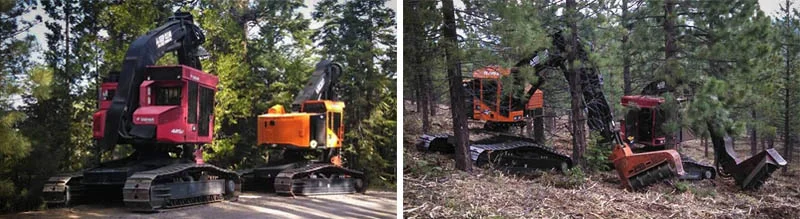
Forestry mastication is a land clearing method that uses specialized machinery to grind trees, shrubs, and brush into small pieces. Instead of removing or burning the vegetation, the material is processed on-site and left as mulch. This mulch layer provides numerous environmental and practical benefits, making the method highly efficient and sustainable.
The machinery used in this process typically includes heavy-duty equipment fitted with rotating cutting heads or drums. These components are designed to shred vegetation quickly and evenly, allowing large areas to be treated in a relatively short amount of time. The result is a clean, manageable landscape with a protective organic layer covering the soil.
How the Process Works in Practice
The process begins with a detailed assessment of the land to determine vegetation density, terrain conditions, and project goals. Based on this evaluation, the appropriate equipment is selected to ensure optimal performance.
Once operations begin, the machinery moves across the land, cutting and grinding vegetation into fine mulch. This material is then spread evenly over the cleared area. Unlike traditional methods that require hauling debris away, this approach eliminates the need for additional disposal steps.
The mulch layer created during the process serves multiple purposes. It helps retain soil moisture, reduces erosion, and gradually decomposes to enrich the soil with nutrients. This makes the land more productive and easier to manage in the long term.
Key Benefits of Forestry Mastication
One of the main reasons forestry mastication has gained popularity is its ability to deliver multiple benefits in a single operation. It not only clears land efficiently but also improves environmental conditions and reduces overall project costs.
Environmental Sustainability
This method significantly reduces the environmental impact of land clearing. By avoiding burning, it prevents the release of harmful gases into the atmosphere. Additionally, the mulch layer protects the soil and supports natural nutrient cycling, contributing to healthier ecosystems.
Soil Health Improvement
The organic material left behind acts as a natural fertilizer. As it decomposes, it adds essential nutrients to the soil, improving its structure and fertility. This is particularly beneficial for agricultural projects and reforestation efforts.
Cost Efficiency
Although the equipment used may require a higher initial investment, the overall cost savings are substantial. There is no need for transporting debris, managing burn permits, or conducting additional cleanup operations. This makes the process more economical over time.
Fire Risk Reduction
One of the most important applications of this method is wildfire prevention. By reducing dense vegetation and converting it into mulch, it lowers the amount of flammable material on the ground. This helps slow the spread of fires and creates safer landscapes.
Improved Land Accessibility
Clearing dense vegetation makes land more accessible for various uses, including farming, construction, and recreational activities. The even distribution of mulch also creates a smoother surface, making it easier to navigate.
Applications Across Different Sectors
The versatility of this technique makes it suitable for a wide range of industries and projects. Its ability to combine efficiency with sustainability has made it a preferred choice for many land management professionals.
In agriculture, it is used to prepare fields while maintaining soil quality. Farmers benefit from the natural mulch, which reduces the need for chemical fertilizers and improves water retention. In construction, developers rely on this method to clear land quickly without causing long-term environmental damage.
Forestry management also benefits significantly from this approach. It helps control invasive species, maintain healthy ecosystems, and reduce wildfire risks. Additionally, infrastructure projects such as road construction and utility line installation use this method to clear land efficiently and safely.
Comparing Forestry Mastication with Traditional Methods
When compared to traditional land clearing techniques, the advantages of Forestry Mastication become even more evident. Methods like bulldozing and burning may provide quick results, but they often lead to soil degradation, habitat destruction, and increased environmental impact.
Bulldozing removes vegetation along with valuable topsoil, which can result in erosion and reduced land productivity. Burning, while effective in clearing large areas, releases pollutants and destroys organic matter that could otherwise benefit the soil.
In contrast, modern techniques preserve soil integrity and recycle organic material. This not only improves the immediate condition of the land but also supports long-term sustainability.
Environmental Impact and Ecological Benefits
The ecological advantages of this method extend beyond soil health. By leaving organic material on-site, it helps maintain natural nutrient cycles and supports the growth of native vegetation. This contributes to healthier ecosystems and increased biodiversity.
The mulch layer also acts as a protective barrier, reducing the impact of heavy rainfall and preventing soil erosion. It helps regulate soil temperature and moisture levels, creating a more stable environment for plant growth.
Furthermore, by reducing the need for burning, this method helps lower greenhouse gas emissions. This makes it an environmentally responsible choice that aligns with global efforts to combat climate change.
Challenges and Considerations
Despite its many benefits, there are certain challenges associated with this technique. One of the primary considerations is the cost of specialized equipment, which may not be feasible for smaller projects. However, hiring professional services can help overcome this limitation.
Another factor to consider is terrain suitability. Extremely rocky or uneven landscapes may require additional planning and adjustments to ensure effective operation. Proper site assessment is essential for determining the feasibility of the method.
Additionally, skilled operators are required to handle the machinery safely and efficiently. Training and experience play a crucial role in achieving the best results while minimizing risks.
Future Trends in Vegetation Management
As technology continues to advance, the future of land clearing and vegetation management looks promising. Innovations in machinery design are making equipment more efficient, environmentally friendly, and easier to operate.
Automation and data-driven planning are expected to play a significant role in improving precision and reducing operational costs. These advancements will further enhance the effectiveness of methods like Forestry Mastication, making them even more accessible and widely used.
Sustainability will remain a key focus, with ongoing efforts to develop techniques that minimize environmental impact while maximizing productivity. This will ensure that land management practices continue to evolve in a responsible and forward-thinking manner.
Best Practices for Successful Implementation
To achieve the best results, it is important to follow certain best practices. Conducting a thorough site assessment is the first step in determining the most appropriate approach. This includes evaluating vegetation type, soil conditions, and project goals.
Choosing the right equipment and working with experienced professionals can significantly improve efficiency and outcomes. It is also important to consider environmental regulations and ensure compliance with local guidelines.
Planning for long-term land use is another critical factor. By aligning clearing methods with future goals, it is possible to maximize the benefits of the process and ensure sustainable land management.
Conclusion
Modern land management requires solutions that are both effective and environmentally responsible. Traditional methods, while still used in some cases, often fail to meet the demands of sustainability and efficiency. In contrast, advanced techniques offer a more balanced approach that benefits both people and the environment.
Forestry mastication in Evergreen, stands out as a powerful and versatile solution that addresses many of the challenges associated with land clearing. By transforming vegetation into a valuable resource, it enhances soil health, reduces fire risks, and minimizes environmental impact.
As the need for sustainable practices continues to grow, this method will play an increasingly important role in shaping the future of land management. By adopting innovative techniques and prioritizing ecological balance, it is possible to create landscapes that are both productive and resilient for generations to come.