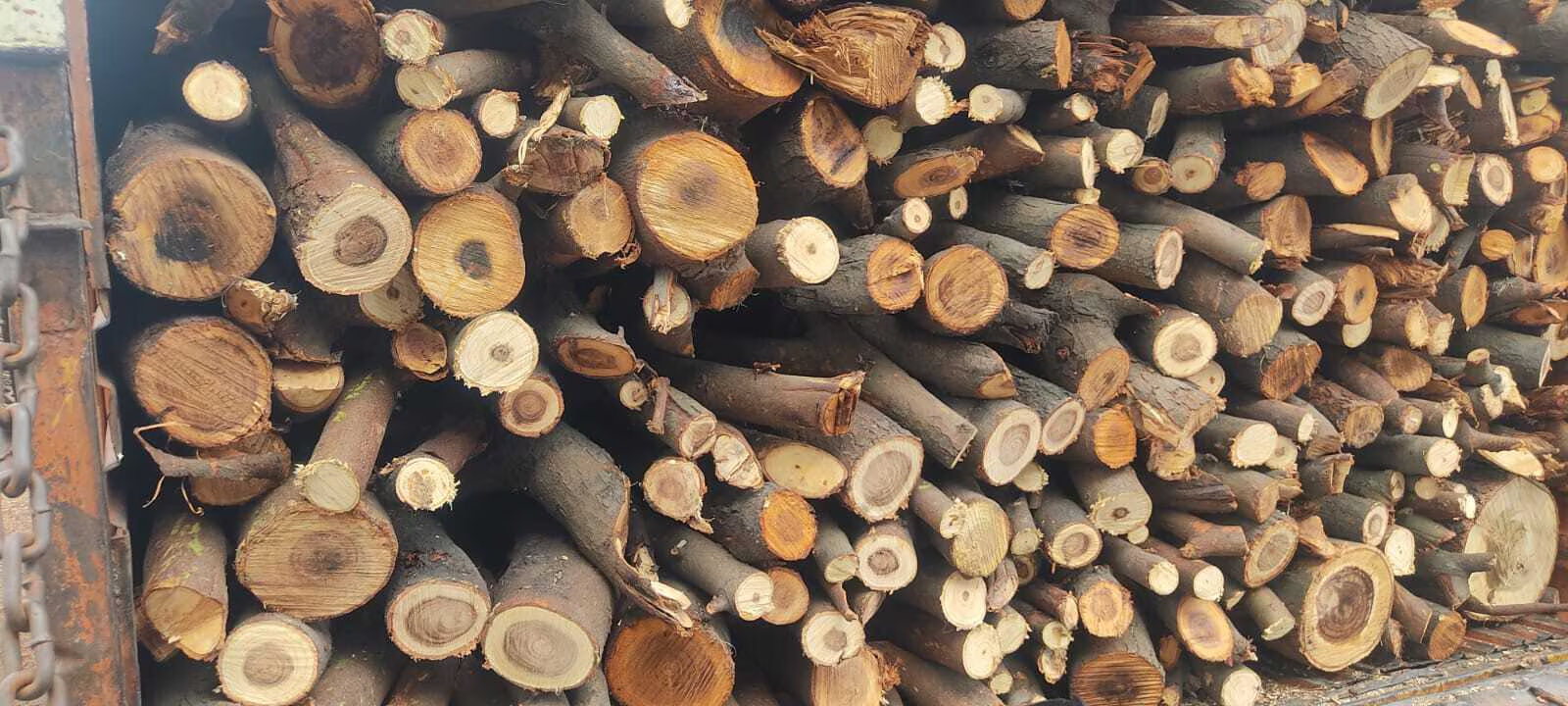
Introduction to Firewood Supply and Its Importance
A reliable heating source remains essential in many homes, especially during colder months, and firewood continues to be one of the most traditional and effective options. Choosing the right firewood supplier plays a major role in ensuring consistent heat, efficient burning, and long-term cost savings. Many people underestimate how much difference properly sourced and seasoned firewood can make, but the quality of wood directly impacts heat output, smoke levels, and even the lifespan of stoves and fireplaces. Firewood is not just about burning wood; it is about selecting the right type, moisture level, and storage method to ensure maximum efficiency. A professional firewood supplier provides wood that has been properly processed, dried, and sorted according to usage needs. Without this, homeowners often face issues such as excessive smoke, poor heat output, and increased creosote buildup in chimneys, which can become a safety hazard.
Understanding What Makes Good Firewood
The quality of firewood depends on several factors, including wood type, seasoning time, density, and moisture content. Hardwoods such as oak, ash, and beech generally burn longer and produce more heat compared to softwoods like pine or fir. However, even the best type of wood becomes inefficient if it is not properly dried. Seasoned firewood is wood that has been allowed to dry for several months, reducing its moisture content to an optimal level. Freshly cut wood contains a high amount of water, making it difficult to burn and producing more smoke than heat. A professional firewood supplier ensures that wood is properly seasoned before delivery, which significantly improves burning performance and reduces maintenance issues in heating systems. Moisture content is one of the most important indicators of firewood quality, and ideally firewood should have less than 20% moisture content for efficient burning. Higher moisture levels lead to wasted energy because a large portion of heat is used to evaporate water instead of warming the space.
Role of a Reliable Firewood Supplier
A dependable firewood supplier provides more than just wood; they offer consistency, quality assurance, and proper grading of firewood types. This ensures customers receive the right product based on their heating needs, whether for fireplaces, wood stoves, or outdoor fire pits. One of the key roles of a supplier is proper sorting and preparation, where firewood is usually cut into uniform sizes to ensure even burning and easier handling. Suppliers also remove low-quality wood that could affect combustion efficiency. Another important function is storage management because properly stored firewood is kept in dry, ventilated areas to prevent moisture absorption and fungal growth. This helps maintain the quality of wood until it reaches the customer, and a trusted firewood supplier ensures consistency in every delivery.
Types of Firewood and Their Uses
Different types of firewood serve different purposes depending on burning requirements and availability. Hardwoods are preferred for long-lasting heat, while softwoods are often used for quick ignition and kindling. Hardwoods such as oak and maple burn slowly and produce steady heat, making them ideal for indoor heating systems. Softwoods like pine ignite quickly and are useful for starting fires but burn faster and produce more smoke. A knowledgeable firewood supplier helps customers choose the right mix of hardwood and softwood depending on usage needs, ensuring efficient burning and reduced fuel waste.
Importance of Proper Seasoning and Drying
Seasoning is one of the most critical steps in firewood preparation. Freshly cut wood contains a high amount of moisture, which makes it inefficient and difficult to burn. Proper drying allows moisture to evaporate naturally over time, improving combustion efficiency. Well-seasoned wood produces a cleaner flame, less smoke, and higher heat output. It also reduces creosote buildup inside chimneys, which is a common cause of chimney fires. A professional firewood supplier ensures that all wood is adequately seasoned before it reaches the customer, reducing risks and improving performance. Drying time can vary depending on wood type and climate conditions, but it generally takes six months to a year for optimal seasoning.
Storage and Handling of Firewood
Proper storage is essential to maintain firewood quality after purchase. Even well-seasoned wood can absorb moisture if not stored correctly. Firewood should be kept off the ground to prevent contact with soil moisture and placed in a dry, ventilated area. Covering the top of the wood stack while leaving the sides open helps protect it from rain while still allowing airflow. Poor storage conditions can lead to mold growth, insect infestation, and reduced burning efficiency. A responsible firewood supplier often provides storage guidelines or even pre-dried firewood to ensure customers get the best performance from their purchase.
Environmental Benefits of Using Firewood
Firewood remains one of the more sustainable heating options when sourced responsibly. Unlike fossil fuels, wood is a renewable resource that can be replenished through proper forest management practices. When burned efficiently, firewood produces lower net carbon emissions compared to many non-renewable energy sources because the carbon released is offset by tree growth. Choosing a responsible firewood supplier ensures that the wood comes from sustainable sources, helping reduce environmental impact while supporting eco-friendly energy practices.
Common Problems with Low-Quality Firewood
Using poor-quality firewood can lead to several problems that affect both efficiency and safety. Wet or unseasoned wood produces excessive smoke, which can irritate the respiratory system and create indoor air quality issues. It also leads to inefficient burning, meaning more wood is required to produce the same amount of heat. Additionally, high moisture content causes more creosote buildup in chimneys, increasing fire risks. Working with a trusted firewood supplier helps avoid these issues by ensuring that only properly processed wood is delivered for use.
How to Evaluate a Good Firewood Supplier
Selecting the right supplier involves evaluating several important factors such as wood quality, consistency, delivery reliability, and customer service. A good supplier should offer clearly labeled firewood types and provide information about seasoning and moisture content. Transparency is important because reputable suppliers are open about sourcing methods and wood processing techniques. Consistency in delivery and product quality is another sign of reliability, and a professional firewood supplier also guides customers on proper storage and usage for maximum efficiency.
Seasonal Demand and Planning Ahead
Firewood demand typically increases during colder seasons, making early planning essential. Ordering in advance ensures availability and often better pricing. Waiting until peak season can lead to shortages or higher costs due to increased demand. A reliable firewood supplier helps customers plan ahead by offering bulk purchase options or scheduled deliveries, ensuring a steady supply throughout the heating season without interruptions.
Cost Considerations and Value
The cost of firewood depends on wood type, seasoning level, delivery distance, and quantity. While cheaper options may seem attractive, they often result in lower efficiency and higher long-term usage. Investing in high-quality firewood from a trusted supplier proves more economical over time because it burns longer and more efficiently. A professional firewood supplier provides value not just through pricing but through consistent quality and reliable service, making bulk purchasing a cost-effective choice.
Safety Considerations When Using Firewood
Safety is an important aspect of firewood use. Improperly dried wood increases the risk of chimney fires due to creosote buildup. Proper ventilation is essential when using indoor fireplaces or stoves. Regular chimney cleaning and inspection help maintain safe operation. Using properly seasoned wood from a reliable firewood supplier significantly reduces safety risks and improves combustion quality while also preventing pest infestations caused by poor storage conditions.
Long-Term Benefits of Quality Firewood Supply
Using high-quality firewood consistently provides long-term benefits such as improved heating efficiency, reduced maintenance costs, and better indoor air quality. Properly sourced wood ensures cleaner burning and less environmental impact. Over time, building a relationship with a trusted supplier guarantees consistent quality and dependable service. A reliable firewood supplier becomes an essential partner in maintaining a comfortable and efficient home heating system.
Conclusion
Firewood continues to be a valuable and reliable heating source when sourced and used correctly. Understanding wood quality, seasoning, storage, and safety practices is essential for maximizing efficiency and reducing risks. Choosing the right supplier ensures consistent performance, better heat output, and long-term savings. A dependable firewood supplier provides not only high-quality wood but also guidance, reliability, and sustainability, making firewood an efficient and environmentally responsible energy solution for heating needs.