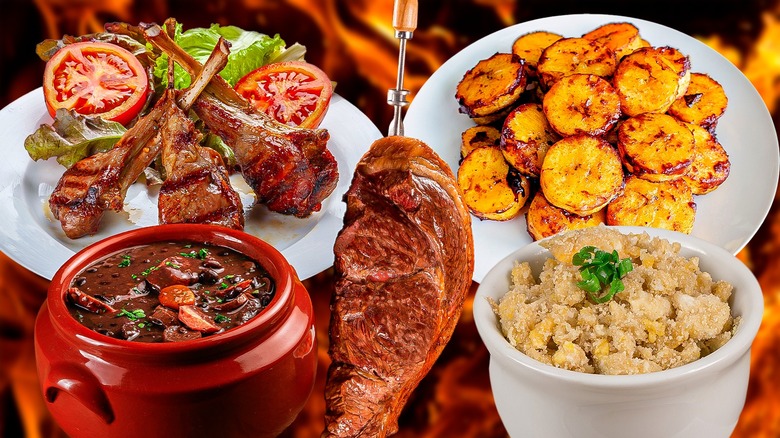
A Brazilian steakhouse is more than just a place to eat; it is an extraordinary culinary adventure that immerses guests in the rich flavors, traditions, and hospitality of Brazilian cuisine. Known for its distinctive approach to preparing and serving meats, this style of dining has captivated food enthusiasts around the world. The combination of high-quality cuts, expert grilling techniques, and the interactive rodizio service creates a dining experience that is both indulgent and unforgettable.
The Art of Grilling in a Brazilian Steakhouse
At the core of every Brazilian steakhouse lies the tradition of churrasco, a method of barbecuing that emphasizes simplicity and quality. Large cuts of beef, lamb, pork, and chicken are skewered, seasoned lightly, and cooked over an open flame. This slow-grilling technique allows the meat to retain its natural juices and flavor, resulting in cuts that are tender, smoky, and bursting with taste.
The choice of meat is central to the experience. Premium cuts such as picanha, ribeye, and filet mignon are commonly featured, often enhanced with simple seasoning or wrapped in bacon to intensify their flavor. Poultry, pork, and lamb provide variety, offering flavors ranging from subtly seasoned to boldly spiced. The skillful grilling process and careful attention to cooking times ensure that every cut is cooked perfectly, whether it is medium-rare, medium, or well-done.
Rodizio: The Interactive Dining Experience
What makes a Brazilian steakhouse unique is the rodizio style of service. Unlike traditional restaurants where diners order dishes individually, rodizio provides an all-you-can-eat experience where servers, called gauchos, move from table to table with skewers of freshly grilled meat. Guests simply signal whether they want more meat or need a pause, allowing them to enjoy a continuous flow of different cuts and flavors.
This interactive style transforms dining into a shared celebration. Guests can sample a wide range of cuts in one meal, from juicy sausages to smoky lamb ribs, all prepared to perfection. The rodizio method encourages conversation, indulgence, and exploration of flavors, creating an atmosphere that is both lively and immersive.
Accompaniments and Side Dishes
While meats are the star of the show, a Brazilian steakhouse offers a variety of complementary dishes that enhance the overall dining experience. Fresh salads with vibrant vegetables, cheeses, and cured meats provide a refreshing counterbalance to the richness of grilled meats. Hot dishes such as feijoada, a hearty black bean stew, and farofa, toasted cassava flour often mixed with spices, add depth and authenticity to the meal.
Fried plantains, garlic mashed potatoes, and rice dishes are also common, offering comforting flavors that pair perfectly with the smoky richness of grilled meats. Each dish is thoughtfully prepared to maintain balance while providing a satisfying complement to the main course.
Desserts and Beverages
No visit to a Brazilian steakhouse is complete without indulging in its dessert offerings. Traditional sweets like brigadeiros chocolate truffles made from condensed milk and cocoa and pudim, a creamy caramel flan, provide the perfect sweet ending. Many establishments also serve Brazilian coffee, which is rich and full-bodied, offering a smooth conclusion to the meal.
Beverages are carefully selected to enhance the dining experience. Red wines, particularly Malbec, Cabernet Sauvignon, and Merlot, pair beautifully with grilled meats. For a uniquely Brazilian touch, caipirinhas, made with cachaça, lime, and sugar, are often served. Non-alcoholic options such as tropical fruit juices and Brazilian sodas ensure that every guest can enjoy the meal fully.
The Role of Hospitality
Hospitality is central to the experience at a Brazilian steakhouse. Servers are trained not only to present meats but also to guide diners through the wide selection of cuts, explain cooking techniques, and recommend pairings. This level of attention reflects Brazilian culture, where sharing meals is a cherished social practice and dining is considered a communal celebration.
The atmosphere in a Brazilian steakhouse further enhances the experience. Rustic wood accents, warm lighting, and vibrant colors create a welcoming environment. Many establishments feature open kitchens, allowing diners to watch their meals being prepared, or live music that adds to the festive ambiance. The combination of attentive service and immersive surroundings ensures that every meal is memorable.
Choosing the Perfect Cuts
Navigating the variety of meats can be a delightful challenge. Picanha, the prized top sirloin cap, is known for its tenderness and rich flavor and is best enjoyed medium-rare. Ribeye offers a bold, robust flavor for those who prefer stronger tastes. Filet mignon, often wrapped in bacon, provides a tender and juicy option that appeals to many diners.
Other options include lamb, pork ribs, and chicken, often enhanced with herbs, spices, or marinades. Each cut is served in portions that encourage guests to try multiple selections, making every bite an opportunity to explore new flavors and textures.
Health and Balance Considerations
Although Brazilian steakhouses focus on meat, there is ample opportunity to maintain a balanced meal. Fresh salads, vegetables, and grains offer light and nutritious options to complement indulgent cuts. Grilling over open flames allows excess fat to drip away, creating a leaner preparation compared to frying. With moderation and thoughtful choices, diners can fully enjoy the rich flavors without overindulgence.
The Cultural Significance of Churrasco
Churrasco originated in southern Brazil with the gauchos, who developed this style of cooking while tending cattle on the open plains. Over time, it evolved into a communal dining tradition, emphasizing sharing, celebration, and the joy of eating together. Modern Brazilian steakhouses carry this legacy forward, preserving traditional techniques while introducing contemporary flavors to appeal to a global audience.
Dining at a Brazilian steakhouse is therefore not just about food; it is a cultural experience that connects guests to the history, techniques, and social customs of Brazil. From the preparation of meats to the rodizio service, every element reflects a heritage that values generosity, skill, and togetherness.
Why a Brazilian Steakhouse Stands Out
Several factors make a Brazilian steakhouse exceptional. First, the quality of the meat is paramount. Carefully selected cuts, slow-grilled over open flames, deliver flavors that cannot be replicated in conventional cooking methods. Second, the rodizio service provides a dynamic, interactive experience, encouraging diners to engage with the meal in a way that is rare in traditional restaurants.
Third, the atmosphere and hospitality create an environment that enhances the dining experience. Attentive service, authentic décor, and cultural touches ensure that every guest feels welcomed and valued. Finally, the combination of side dishes, desserts, and beverages rounds out the meal, providing a complete and satisfying culinary journey.
Conclusion
A visit to a Brazilian steakhouse offers a feast for all the senses. From the expertly grilled meats and abundant rodizio service to the vibrant side dishes, desserts, and beverages, every element of the experience is carefully curated. The focus on quality, tradition, and hospitality ensures that each meal is both memorable and indulgent.
Whether you are a seasoned meat lover or exploring Brazilian cuisine for the first time, a Brazilian steakhouse provides a dining adventure unlike any other. It is not just a meal; it is an invitation to explore flavors, celebrate abundance, and immerse yourself in a rich cultural tradition. For those seeking an extraordinary dining experience that combines taste, tradition, and interaction, a Brazilian steakhouse is the ultimate destination.