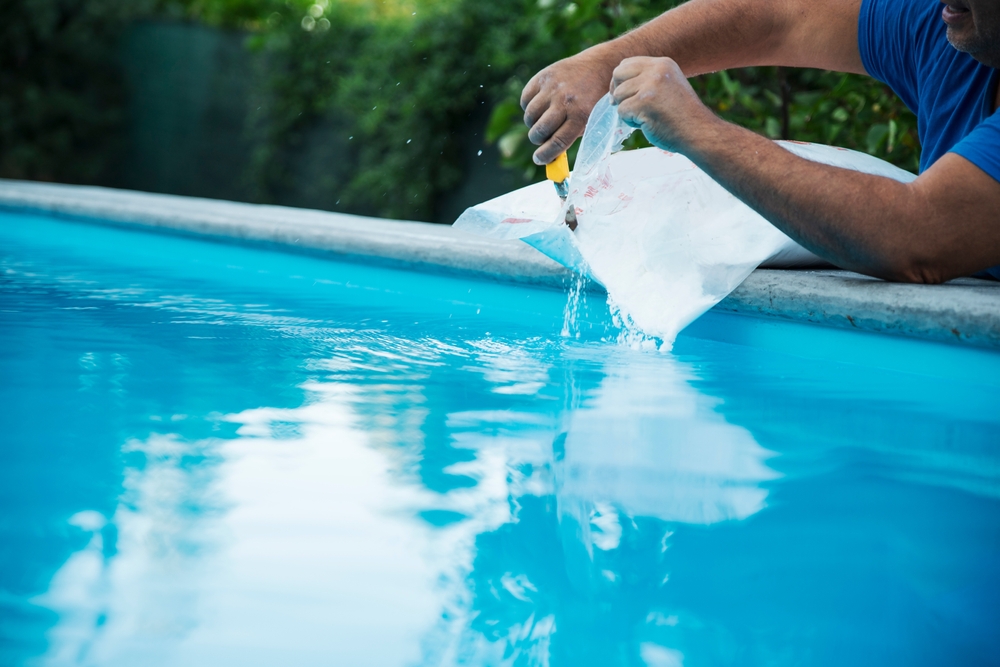
Introduction to Pool Care and Water Quality
A swimming pool can be one of the most enjoyable features of any property, offering relaxation, recreation, and a refreshing escape from daily life. However, keeping the water clean, safe, and inviting requires consistent effort and proper understanding of how a pool system works. Without regular attention, water can quickly become cloudy, unbalanced, and unsafe for use. This is why understanding pool maintenance is essential for every pool owner who wants to preserve both water quality and equipment performance over time.
A pool is not just a body of water; it is a carefully balanced system that depends on circulation, filtration, and chemical balance working together. When one part is neglected, the entire system can become unstable, leading to algae growth, bacteria buildup, and costly repairs. Consistent care ensures that the pool remains in excellent condition and ready for use at any time.
Why Regular Pool Care Matters
Maintaining a swimming pool is not just about appearance; it is directly related to health and safety. Water that is not properly treated can become a breeding ground for harmful microorganisms. Dirt, leaves, insects, and organic matter can quickly accumulate, affecting water clarity and hygiene. Proper pool maintenance helps prevent these issues by ensuring that contaminants are removed before they cause problems.
Regular care also protects the structural integrity of the pool. Surfaces, tiles, and equipment are all exposed to constant water contact and chemical exposure. Without proper balance and cleaning, damage such as staining, corrosion, and scaling can occur. This makes routine attention a necessary part of long-term pool ownership.
Understanding Water Balance and Chemistry
Water chemistry is one of the most important aspects of keeping a pool clean and safe. Several factors must be monitored regularly, including pH levels, chlorine concentration, alkalinity, and calcium hardness. Each of these plays a specific role in maintaining water stability and comfort.
Chlorine acts as a disinfectant, eliminating bacteria and preventing algae growth. pH levels determine whether water is acidic or alkaline, and imbalance can lead to irritation or damage to equipment. Alkalinity helps stabilize pH levels, while calcium hardness prevents corrosion or scaling on surfaces.
When these elements are not properly balanced, problems begin to appear quickly. Cloudy water, unpleasant odors, and skin irritation are common signs of imbalance. This is why consistent pool maintenance includes regular testing and adjustment of chemical levels to ensure optimal conditions.
The Importance of Cleaning and Debris Removal
Physical cleaning is another essential part of maintaining a healthy swimming environment. Leaves, dirt, insects, and other debris naturally find their way into the pool, especially when exposed to outdoor conditions. If not removed regularly, these contaminants sink to the bottom and begin to decompose, affecting water quality.
Skimming the surface is one of the simplest yet most effective cleaning tasks. It prevents debris from sinking and reduces the workload on the filtration system. Brushing the walls and floor helps remove algae buildup and prevents slippery surfaces. Vacuuming ensures that settled particles are completely removed from the pool.
Consistent cleaning not only improves appearance but also supports chemical efficiency, allowing sanitizers to work more effectively. Without this step, even properly balanced water can become dirty over time.
How Filtration Systems Keep Water Clean
The filtration system is the heart of any swimming pool. It continuously circulates water and removes fine particles that are not visible to the naked eye. There are different types of filtration systems, but all serve the same purpose: maintaining clean and clear water.
As water passes through the filter, impurities are trapped and clean water is returned to the pool. Over time, filters become clogged and require cleaning or replacement to maintain efficiency. If neglected, the system becomes strained, leading to reduced circulation and poor water quality.
Proper pool maintenance includes ensuring that the filtration system is operating efficiently at all times. A well-maintained filter reduces the need for excessive chemical use and keeps the water consistently clear.
Circulation and Its Role in Pool Health
Water circulation works alongside filtration to distribute chemicals evenly and prevent stagnant areas. Without proper circulation, certain parts of the pool may become breeding grounds for algae and bacteria.
The pump plays a key role in maintaining movement within the system. Running the pump for the recommended amount of time each day ensures that water is properly circulated and treated. Poor circulation can lead to uneven chemical distribution and reduced effectiveness of sanitizers.
Ensuring proper circulation is an important part of long-term pool maintenance, as it directly affects both cleanliness and safety.
Preventing and Controlling Algae Growth
Algae is one of the most common problems in swimming pools. It can spread quickly and turn clear water into a green, slippery environment. Once it appears, it can be difficult to remove without proper treatment.
Prevention is always more effective than treatment. Maintaining balanced water chemistry, cleaning regularly, and ensuring proper circulation are key steps in preventing algae growth. Brushing pool surfaces also helps remove early signs before they develop further.
When algae does appear, immediate action is necessary to restore water quality. Consistent care and monitoring significantly reduce the chances of severe outbreaks.
Seasonal Changes and Pool Care Adjustments
Different seasons affect pool conditions in different ways. During warmer periods, higher temperatures and increased usage can lead to faster chemical depletion and more frequent cleaning needs. In cooler times, pools may require less frequent use but still need proper monitoring.
Adjusting maintenance routines based on seasonal changes ensures that the pool remains in good condition year-round. This includes balancing chemicals, cleaning thoroughly, and protecting equipment from environmental factors.
Effective pool maintenance adapts to these changes, ensuring consistent performance regardless of external conditions.
Equipment Care and Longevity
Pool equipment such as pumps, filters, heaters, and skimmers all require regular inspection and care. These components work together to maintain water quality, and any malfunction can disrupt the entire system.
Routine checks help identify issues early before they turn into major problems. Cleaning and servicing equipment not only improves efficiency but also extends its lifespan. Neglecting equipment maintenance can result in expensive repairs and reduced performance.
Keeping all components in good condition is a key part of responsible pool ownership.
Benefits of Consistent Maintenance
Regular care provides numerous long-term benefits. A well-maintained pool offers clear water, improved safety, and a more enjoyable swimming experience. It also reduces the likelihood of unexpected repairs and lowers overall operating costs.
Consistent pool maintenance ensures that the system operates efficiently, minimizing chemical usage and energy consumption. This makes pool ownership more affordable and sustainable over time.
In addition, a clean and well-kept pool enhances property value and creates a more attractive outdoor environment.
Professional Care Versus Personal Maintenance
Pool owners often choose between handling maintenance themselves or hiring professionals. Both options have advantages, but professional services provide expertise and convenience that can be difficult to match.
Professionals are trained to identify hidden issues, perform thorough cleaning, and maintain proper chemical balance. They also have access to specialized tools and equipment that improve efficiency.
For those with limited time or experience, professional assistance can ensure consistent and reliable results.
Environmental Responsibility in Pool Care
Modern pool care also involves environmental considerations. Reducing water waste, minimizing chemical use, and improving energy efficiency are all important aspects of responsible ownership.
Using energy-efficient pumps, covering the pool when not in use, and maintaining proper chemical balance all contribute to a more sustainable approach. These practices not only protect the environment but also reduce long-term costs.
Sustainable pool maintenance ensures that enjoyment does not come at the expense of environmental health.
Long-Term Value of Proper Pool Care
A swimming pool is a long-term investment, and proper care is essential to protect that investment. Regular maintenance preserves water quality, protects equipment, and maintains structural integrity.
By staying consistent with cleaning, chemical balance, and equipment care, pool owners can avoid costly repairs and enjoy a reliable swimming environment for years. A well-maintained pool remains a valuable and enjoyable feature of any property.
Conclusion
Maintaining a swimming pool requires ongoing attention, knowledge, and consistency. From water chemistry and cleaning to filtration, circulation, and equipment care, every aspect plays an important role in ensuring a safe and enjoyable swimming experience.
Proper pool maintenance not only keeps the water crystal clear but also protects the entire system from damage and inefficiency. With regular care and responsible practices, a swimming pool can remain a refreshing and valuable part of any home for many years to come.