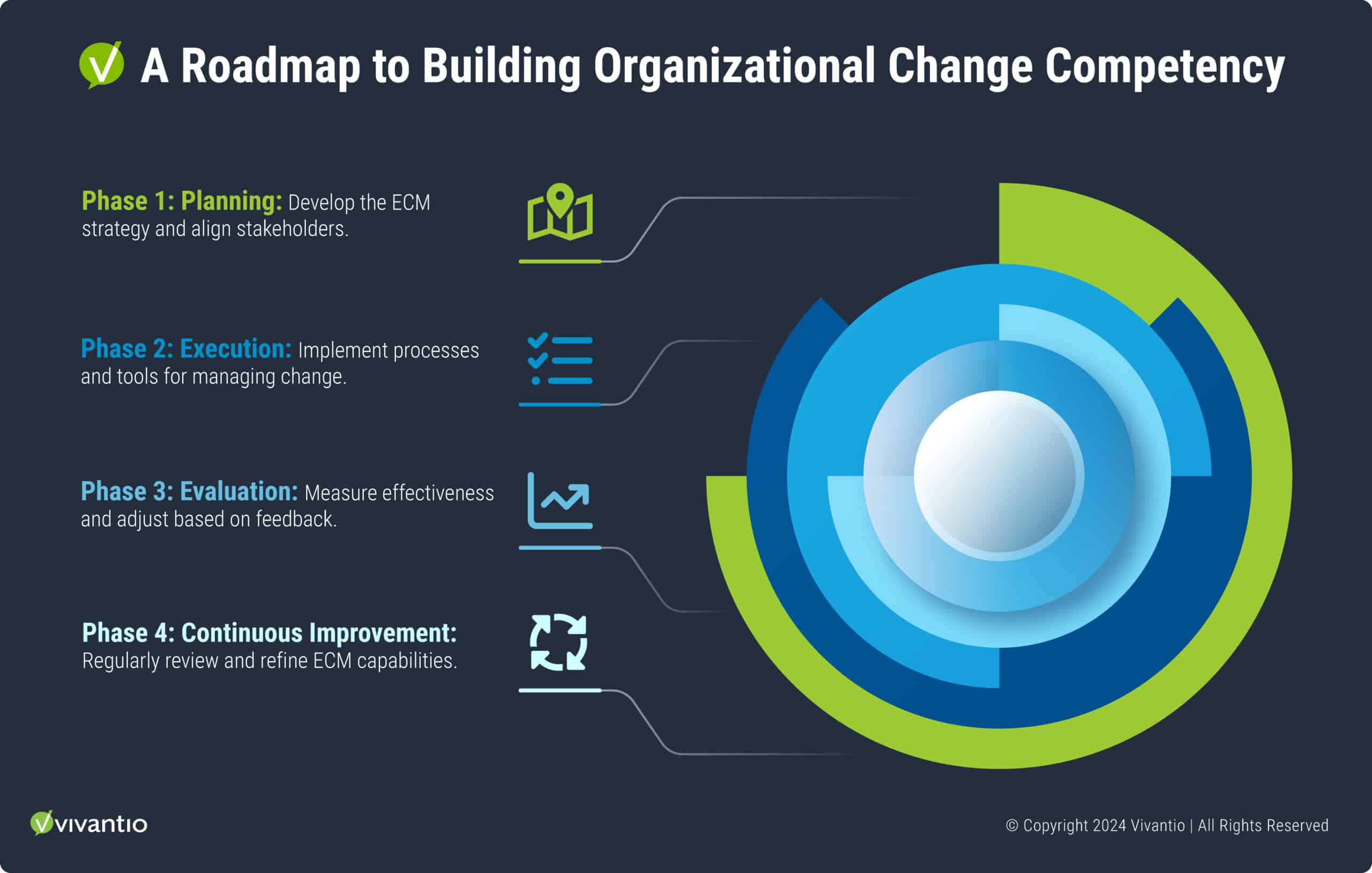
Cloud-based applications keep evolving through updates and changes in the integration and workflow processes. Enterprise change management has become extremely important within organizations today because any change introduced may impact various parts of the organization. Organizations have been using manual change management, which tends to be a risky approach because of the numerous challenges. Workflow problems can be spotted once implementation begins. Companies must find more effective and efficient ways to manage their changes.
Why Manual Change Management Creates Risk
The traditional method of dealing with change is heavily dependent on the use of spreadsheets, emails, and other testing software. There is a lot of wastage of time in determining the processes affected by the changes and drafting the relevant documents manually. Several important testing activities are often ignored due to the strict deadline for deployment. Employees might be trained using obsolete material long after their workflows have been modified. Preparing for audits can be difficult since information is spread across several platforms. This process leads to miscommunication between business groups and the IT department.
Automation Improves Speed and Accuracy
The use of automation makes enterprises better positioned to deal with change in a more transparent way. For example, intelligent applications can discover dependencies prior to implementation and detect any affected workflows through automatic detection. The use of automated testing makes it possible for validation to occur quickly while minimizing production risks post go-live. Training materials and compliance logs can be updated automatically when there is any change in the workflow. This makes sure that any process is done accurately while avoiding repetitive processes. Businesses can react to vendor changes and configuration changes faster.
Connected Processes Reduce Business Disruptions
Today’s organizations require integrated lifecycle management rather than disjointed operations. Impact analysis, testing, training, and compliance need to be integrated continually in each cycle of releases. Visibility in real-time allows enterprises to understand the impact that changes have on the workflow process, integration, reporting, and configurations before deploying them. It ensures increased cooperation between departments and minimizes the downtime hazards significantly. Organizations that adopt automated approaches become more stable in their operations and faster in digitalization efforts.
Faster Updates Support Long-Term Growth
Organizations that invest in updating enterprise change management systems experience improved scalability and confidence within their operations. Change cycle management by automation is going to ensure that changes can be validated quicker, and this does not affect any of the business activities. The firms are going to be able to focus on innovation and do not have to worry about any kind of production-related issues once the product has been launched. The quick cycles of testing are going to ensure validation for each change made before implementation on the client’s side.
In conclusion, Opkey is a no-code test automation software that has the ability to utilize agentic AI technology. It is designed to support the lifecycle of applications within Cloud infrastructure environments in enterprises. Using Argus AI and over 20 AI agents, Opkey helps to automate impact analysis, testing, configuration validation, training updates, and compliance documents within Oracle Cloud, Workday, Salesforce, and others. In addition, Opkey offers the ability to conduct self-healing tests and integrated lifecycle processes through its platform. This helps enterprises manage updates faster, improve testing accuracy, maintain real time compliance records, and handle continuous application changes with greater operational confidence and stability.