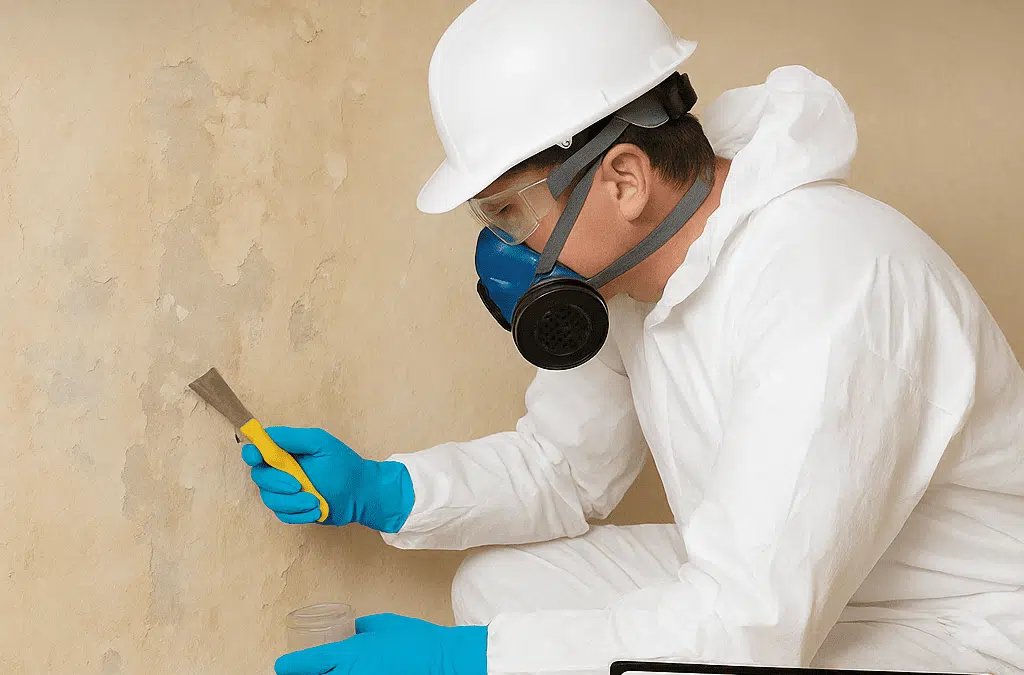
Asbestos, a naturally occurring mineral once widely used in construction and manufacturing, has become synonymous with health hazards. Despite its usefulness in the past due to its insulating properties and fire resistance, asbestos is now known to cause severe health problems, including lung cancer, asbestosis, and mesothelioma. For this reason, ensuring the safety of your building by conducting a professional asbestos survey is crucial. If your building was constructed before the 1980s, it’s highly likely that asbestos materials were used, making an asbestos survey even more critical for both property owners and tenants.
Why Conduct an Asbestos Survey?
An asbestos survey is designed to identify materials containing asbestos within a property. This process involves examining areas that may have been exposed to the mineral, such as insulation, ceiling tiles, flooring, and roofing. If these materials are disturbed or damaged, they can release harmful fibers into the air, posing a serious risk to anyone who comes into contact with them.
When asbestos fibers are inhaled, they can lodge themselves in the lungs, leading to chronic diseases that often develop years or even decades later. Asbestos-related diseases have a long latency period, which makes early detection even more important. Whether you’re a business owner, landlord, or a homeowner, it’s essential to understand the potential risks and take immediate action to mitigate them. A professional asbestos survey is a vital first step in safeguarding your property and the people within it.
The Importance of Hiring a Professional for Asbestos Surveys
While it may be tempting to save costs by attempting to perform an asbestos inspection yourself, this is never recommended. Professional asbestos surveyors are highly trained and experienced in identifying asbestos-containing materials (ACMs). They have access to the proper tools and equipment to carry out a thorough inspection and accurately assess the presence of asbestos. Here are a few reasons why you should hire a professional to conduct an asbestos survey:
- Expertise and Training: Professional surveyors are equipped with the knowledge and certifications required to detect and handle asbestos safely. They follow strict safety protocols and ensure that all potential asbestos materials are identified and documented.
- Compliance with Regulations: Asbestos removal and management are governed by strict laws and regulations. By hiring a professional, you ensure that your property complies with these regulations, avoiding potential fines or legal issues.
- Safety First: Asbestos handling is dangerous. Professionals know how to take the necessary precautions to avoid exposure and contamination. They use specialized protective gear and containment systems to ensure their safety during the survey process.
- Accurate Testing and Reporting: Once asbestos is identified, the professional surveyor will provide you with a detailed report outlining the extent of the contamination and the necessary next steps. The report will include clear recommendations on how to manage or remove the asbestos, depending on the type and location of the ACMs.
Types of Asbestos Surveys
There are two main types of asbestos surveys: a Management Survey and a Refurbishment/Demolition Survey. Both surveys have different purposes and serve distinct needs depending on the situation.
- Management Survey: This type of survey is typically conducted for buildings that are still in use. It’s designed to assess the condition of any asbestos materials and determine the risk they pose. The goal of a management survey is to help building managers maintain safe conditions by monitoring asbestos-containing materials regularly and ensuring that they are properly managed.
- Refurbishment/Demolition Survey: If you plan to carry out any significant renovation or demolition work, this survey is essential. It’s more invasive than a management survey and aims to identify all asbestos-containing materials in areas that will be affected by the work. This type of survey is necessary to ensure that any asbestos is safely removed before construction begins.
What to Expect During an Asbestos Survey
The process of conducting an asbestos survey typically follows these steps:
- Initial Assessment: The surveyor will start by assessing the property’s history and construction materials. If your building was constructed before the 1980s, the likelihood of asbestos presence is higher.
- Visual Inspection: The surveyor will inspect the premises to identify potential asbestos-containing materials. This could include walls, floors, ceilings, roofs, and piping.
- Sampling and Analysis: If any suspicious materials are found, the surveyor will take samples to be analyzed in an accredited laboratory. The laboratory will determine if the materials contain asbestos and the concentration of the fibers.
- Risk Assessment: Based on the results, the surveyor will assess the risk associated with the materials and recommend the appropriate actions. If the asbestos is undisturbed and in good condition, it may not pose an immediate threat. However, if it’s damaged or deteriorating, immediate removal or encapsulation may be necessary.
- Report Delivery: Once the survey is complete, the surveyor will provide a comprehensive report detailing the findings, risk levels, and suggested actions. This report is essential for creating an asbestos management plan or planning removal efforts if required.
Asbestos Management and Removal
Once an asbestos survey has been completed and the risks identified, the next step is to manage or remove the asbestos. If the asbestos-containing materials are in good condition and unlikely to be disturbed, they may be left in place with regular monitoring to ensure they don’t pose a health hazard. However, if the materials are damaged or likely to be disturbed during renovations or everyday activities, removal may be necessary.
Asbestos removal should always be carried out by licensed professionals who follow strict safety guidelines. It is important to never attempt asbestos removal yourself, as improper handling can increase the risk of exposure.
Health and Legal Implications
Failing to address asbestos-related risks in your building can lead to serious health consequences and legal repercussions. The health risks associated with asbestos exposure are well-documented and cannot be overstated. Asbestos-related diseases take years to develop, and once symptoms appear, the damage is often irreversible.
In addition to health risks, there are legal obligations for property owners and employers to manage and control asbestos in their buildings. Depending on your jurisdiction, failure to conduct an asbestos survey and take appropriate actions could result in hefty fines or even legal action. Protecting the people in your building from asbestos exposure is not only a legal requirement but also a moral responsibility.
Conclusion
Conducting a professional asbestos survey is a proactive step in ensuring the safety of your building and those who occupy it. Asbestos-related diseases are preventable, and identifying the presence of asbestos in your property before it becomes a health hazard is crucial. By hiring a professional asbestos surveyor, you are ensuring that your building is safe, compliant with regulations, and free from hidden dangers.
Whether you are a property owner, manager, or contractor, a professional asbestos survey is an investment in the future. Don’t wait until it’s too late—schedule an asbestos survey today to ensure the safety and longevity of your building.