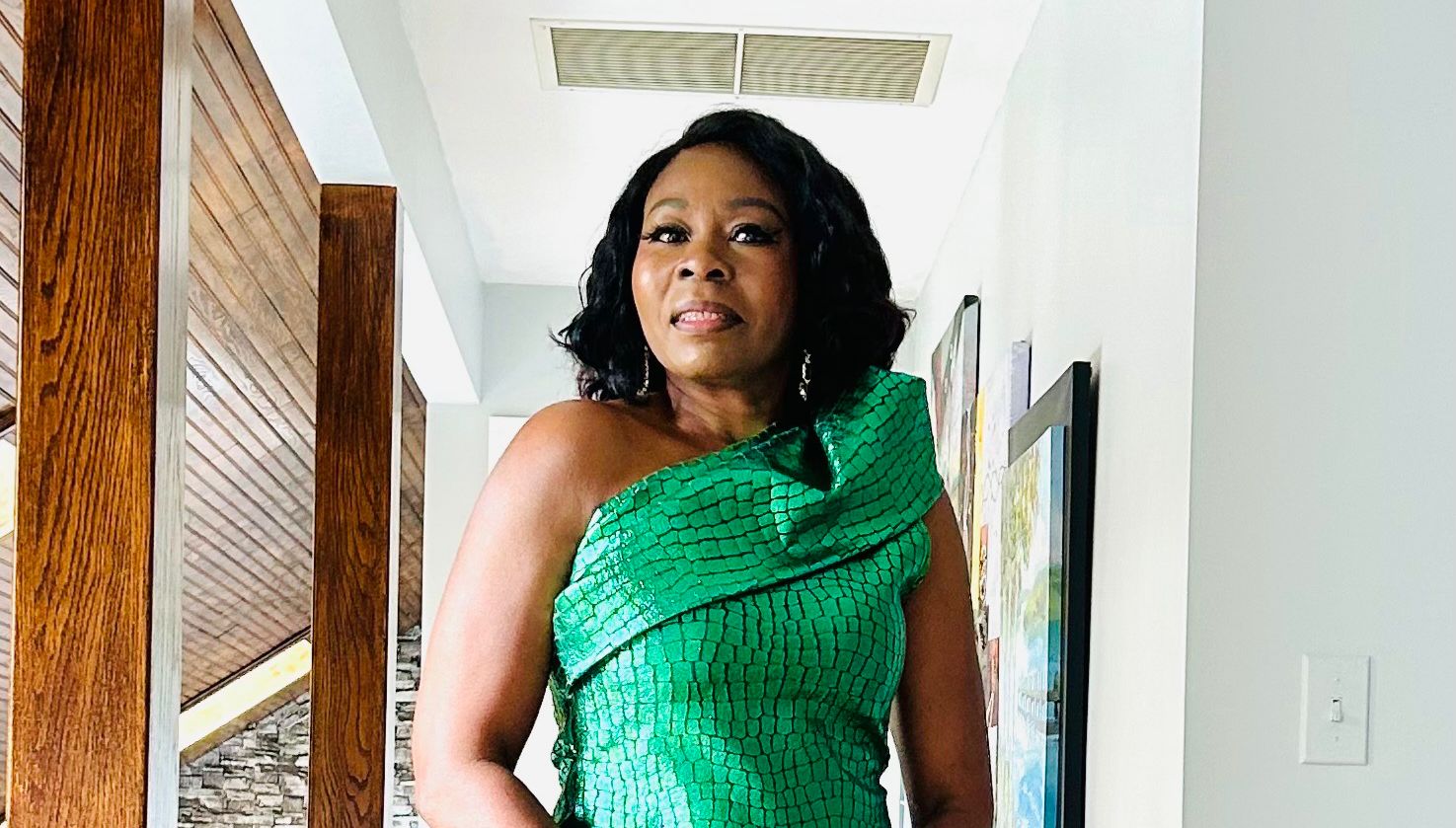
The Fashion Theorist says trend culture sells restlessness. Elegance demands something harder: self-knowledge, restraint, and the courage to stop performing.
New York, NY — August 27, 2026 — Funmilayo Eyesan is not asking people to keep up. She is asking them to stop. As a Fashion Theorist, designer, and stylist, she is talking about elegance over trends with unusual bluntness. In her view, much of what now passes for sophistication is just expensive noise: new labels, new looks, and new versions of the same hunger to be seen. Eyesan calls that what it is — imitation dressed up as taste.
She argues that elegance has never belonged to the loudest closet or the fastest shopper. It belongs to the person who knows who they are and refuses to reshape that identity every time the culture changes its mind. Trends reward reaction. Elegance rewards judgment. That difference, she says, is not cosmetic. It changes how a person buys, dresses, speaks, and moves through a room.
Eyesan’s latest work returns to a principle she considers deceptively simple: choose quality over quantity in every area of life. Not only in clothing, but in conversation, relationships, and time. Elegance, as she defines it, is not an outfit. It is a practice.
The Trend Cycle Is a Trap
Eyesan talks about trend culture as a system that keeps people slightly off balance. The message is always the same. What you have is almost enough, but not quite. Buy again. Update again. Become again. From the outside, that cycle can look like style. Up close, she says, it often looks like anxiety.
Trends train the eye to look outward first. What is popular. What is circulating. What will signal awareness. Once that becomes the standard, dressing turns into performance. Closets fill quickly. Looks change often. The person wearing the clothes becomes harder to find.
Eyesan believes this is why so many people feel fashionable in the moment and uncertain soon after. The look was current. It was not necessarily theirs. An elegant person does not live in that loop. They have already decided who they are. That decision makes the rest of their choices quieter. They stop buying pieces that do not belong to them. They stop borrowing opinions that do not fit. They stop performing for validation.
Authenticity, in her work, is not a soft word. It is the moment imitation ends.
Simplicity Has More Power Than Excess
Eyesan is equally clear about excess. Complexity is easy. Anyone can add more — more accessories, more references, more proof of being current. Elegance is the harder move: taking things away until only the essential remains.
She points to the woman in a tailored blazer, a crisp white shirt, and unforced confidence. That woman does not need to compete with the room. The room adjusts to her. Simplicity does not make her smaller. It makes her unmistakable. In fashion, in speech, and in daily life, removing what is unnecessary allows what matters to stand out.
This is one of her sharpest distinctions. Trends decorate. Elegance edits. One fills the frame. The other controls it. Eyesan does not treat simplicity as a lack of imagination. She treats it as evidence of judgment — the ability to recognize when enough has already been said.
Presence Is the Part Money Cannot Buy
Eyesan also talks about presence as the most ignored, and most decisive, element of elegance. Clothes can support it. They cannot create it. A person can wear the costliest look in the room and still appear hungry for approval. Another can wear something restrained and leave a deeper mark because they are not asking to be chosen.
Presence, she says, cannot be purchased. It is built through self-respect, emotional awareness, and the way a person engages with other people. It shows up in how they listen, how they speak, and how little they rush to prove their value. The elegant individual does not scramble for the center of the room. They already occupy themselves fully. That is why their confidence feels quiet. It does not need volume.
For Eyesan, this is where trend culture most often fails. It can dress the body. It cannot settle the person. Presence is what remains after the outfit has been forgotten.
Stop Collecting. Start Choosing.
If there is a practical command in Eyesan’s argument, it is this: curate. Do not accumulate. The elegant wardrobe is chosen. The elegant home is chosen. Even relationships, she says, should be chosen with the same seriousness. Everything kept takes up space. Everything kept costs attention.
Trend culture teaches people to add. Eyesan teaches them to decide. That decision is not about having less for its own sake. It is about refusing to let the unnecessary dilute what matters. A curated life feels lighter because it has been defended. The result is not scarcity. It is clarity.
This is also where elegance over trends becomes a lifestyle position, not just a fashion one. Eyesan is not only talking about what hangs in a closet. She is talking about what a person allows to occupy their days.
Elegance Is a Standard, Not a Mood
Eyesan refuses to treat elegance as a finish line or a seasonal look. It is a daily standard. Kindness when harshness would be easier. Refinement when chaos is available. Confidence when comparison is louder. Authenticity when performance would get faster results.
That is why she puts elegance over trends so firmly. Trends expire on schedule. Intention does not. One is a reaction to the moment. The other is a way of living that remains standing after the moment has moved on. Mastering elegance, she says, is not a destination. It is a collection of small decisions repeated until they become character.
“True elegance has never been about what you own. It is about how thoughtfully, gracefully, and authentically you live. And that is a luxury available to everyone.”
— Funmilayo Eyesan
Funmilayo Eyesan is talking about elegance over trends because she believes the culture has confused movement with meaning. Her answer is not louder fashion. It is clearer living. In a landscape that keeps asking women to become someone new, she is making a quieter and more demanding case: become more exactly yourself.
About Funmilayo Eyesan
Funmilayo Eyesan is a Fashion Theorist, designer, and stylist known for her uncompromising case for elegance over trends. Her work focuses on intention, presence, and the discipline of choosing well. Through her writing and creative practice, she challenges trend-driven fashion culture and argues for a style rooted in self-awareness, simplicity, and authenticity.