Introduction
Interior and exterior spaces are greatly influenced by the design elements that define them, and one feature that has become increasingly popular in contemporary architecture is the use of glass railings. These structures provide both safety and aesthetic appeal, serving as protective barriers while simultaneously creating a sense of openness and sophistication. Unlike traditional railing materials such as wood or metal, glass offers transparency, which enhances natural light, improves sightlines, and contributes to a modern, minimalist design. Whether used in residential homes, commercial properties, or public buildings, glass railings combine functionality with style, transforming ordinary staircases, balconies, decks, and mezzanines into striking architectural statements. Understanding the benefits, design options, installation considerations, and long-term maintenance of glass railings is crucial for anyone looking to enhance both the safety and visual impact of their space.
The Advantages of Glass Railings
Glass railings offer a range of advantages that make them a preferred choice for modern construction and renovation projects. One of the most significant benefits is their ability to create a visually open environment. The transparency of glass allows natural light to flow freely, making spaces appear larger and more inviting, which is particularly beneficial in areas with limited light or confined dimensions. Beyond aesthetics, glass railings provide excellent safety and security. Constructed from tempered or laminated glass, these railings are designed to withstand substantial force, providing a strong barrier while maintaining a sleek and unobtrusive profile. Additionally, glass railings are versatile in design, accommodating a wide range of architectural styles, finishes, and hardware options. They can be framed, semi-framed, or completely frameless, allowing designers and homeowners to achieve a customized look that suits the character of the space. These railings are also low-maintenance compared to traditional materials, as they resist rust, corrosion, and deterioration, making them suitable for both indoor and outdoor applications.
Design Options and Customization
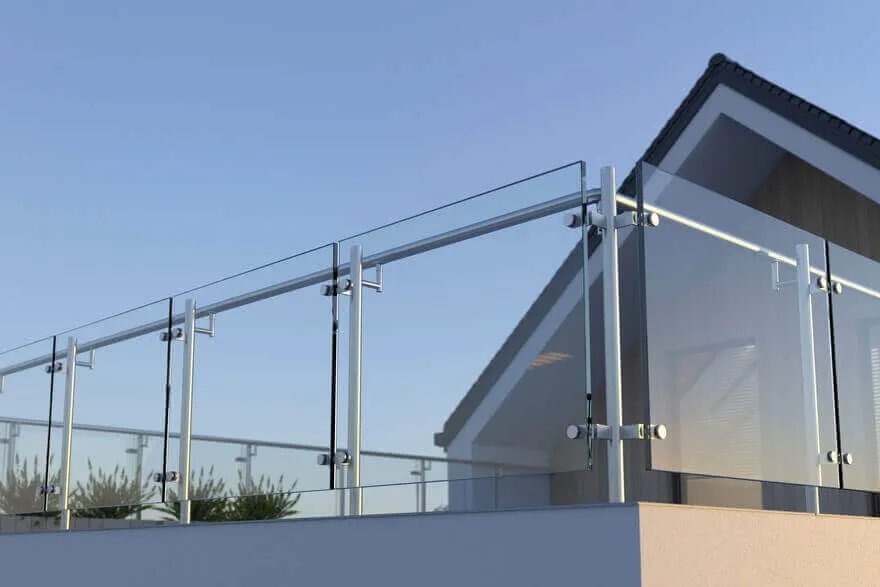
The flexibility of glass railings lies in their ability to be customized to meet the specific needs of a space. Frameless glass railings, for instance, offer a minimalist aesthetic that emphasizes transparency and elegance, making them ideal for modern homes, commercial offices, and luxury retail spaces. Semi-framed designs incorporate metal or wood elements to provide additional support and decorative appeal, allowing for creative integration with other architectural features. Framed glass railings, while more traditional, provide extra durability and structural reinforcement, making them suitable for high-traffic areas or outdoor applications where exposure to environmental elements is a concern. In addition to structural design, glass panels can be customized with a variety of finishes, such as frosted, tinted, etched, or patterned surfaces, offering privacy, sun protection, or decorative flair. The choice of hardware, including handrails, brackets, and base channels, further enhances the visual appeal and functionality of glass railings, enabling a harmonious blend of safety, style, and practicality.
Safety and Durability Considerations
Safety is a paramount consideration when installing glass railings, as they serve as barriers designed to prevent falls and accidents. Modern glass railings are made from tempered or laminated glass, which is engineered to resist impact and breakage. Tempered glass is heat-treated to improve strength, and in the rare event of breakage, it shatters into small, blunt pieces that reduce the risk of injury. Laminated glass, on the other hand, consists of multiple layers bonded together with interlayers that hold the glass together if broken, providing additional security and durability. Proper installation is essential to ensure that glass railings perform their intended safety function. This includes secure anchoring, precise alignment of panels, and the correct selection of handrails and support systems. By adhering to industry standards and regulations, homeowners and designers can enjoy both the safety and elegance of glass railings without compromising structural integrity.
Applications in Residential Spaces
Glass railings have become a staple in residential design due to their ability to blend seamlessly with contemporary interiors while providing safety and functionality. In staircases, they offer a modern alternative to traditional wood or metal railings, creating a visually light and airy feel that complements a wide range of décor styles. On balconies and decks, glass railings provide unobstructed views of outdoor spaces, enhancing the connection between indoor and outdoor living areas. They also serve as effective barriers around pools or terraces, combining safety with unobstructed sightlines for a luxurious and open ambiance. In multi-level homes, glass railings around mezzanines or loft spaces improve visibility and allow natural light to penetrate deeper into the interior, contributing to a brighter and more inviting atmosphere. These applications highlight the dual role of glass railings in providing both practical safety and modern elegance in residential settings.
Applications in Commercial and Public Spaces
The versatility of glass railings extends beyond residential use into commercial and public spaces. In offices, glass railings can be used for staircases, mezzanines, and balcony areas to maintain an open, professional environment that fosters visibility and collaboration. Retail environments often employ glass railings to create an upscale, modern aesthetic while ensuring customer safety on multiple levels. Public spaces such as airports, museums, hotels, and educational institutions benefit from glass railings due to their durability, ease of maintenance, and ability to meet stringent safety regulations. The transparency of glass also allows for clear sightlines, which is important in environments that require supervision or surveillance. In these settings, glass railings provide a sophisticated and practical solution that enhances both functionality and visual appeal.
Installation and Professional Considerations
Proper installation of glass railings is critical to achieving the desired combination of safety, stability, and aesthetic quality. Professional installers typically begin with a detailed assessment of the site, taking precise measurements and evaluating structural support requirements. Glass panels are then selected based on thickness, type, and finish, while hardware components such as brackets, handrails, and base channels are carefully chosen to complement the design and ensure stability. Installation involves securing the glass panels using specialized fasteners, ensuring correct alignment, and applying seals or coatings where necessary. Working with professional installers ensures that glass railings meet building codes and safety standards, while also achieving a flawless visual finish. Attempting DIY installation without adequate knowledge and equipment can compromise safety and reduce the lifespan of the railing system, making professional expertise an essential part of any glass railing project.
Maintenance and Longevity
One of the advantages of glass railings is their low-maintenance nature, but proper care is still necessary to preserve their appearance and functionality over time. Routine cleaning with non-abrasive solutions and soft cloths prevents the buildup of dust, dirt, and water stains, while periodic inspections of hardware and seals ensure that all components remain secure. Outdoor glass railings may require additional attention to protect against weather-related wear, including occasional checks for corrosion on metal components and cleaning of environmental debris. Protective coatings, such as hydrophobic or anti-fingerprint treatments, can further extend the life of glass railings by reducing the frequency of cleaning and minimizing surface damage. With consistent care, glass railings maintain their clarity, strength, and elegance for many years, providing a lasting investment in both safety and style.
Aesthetic Impact and Design Trends
The aesthetic appeal of glass railings lies in their ability to combine transparency with sleek, modern design. Frameless glass railings are particularly popular in contemporary architecture, as they create uninterrupted sightlines and a minimalist appearance that enhances the perception of space. Tinted or frosted glass panels can introduce subtle privacy or decorative elements, while etched or patterned designs allow for unique artistic expression. In addition, the combination of glass with metal, wood, or stone elements can create striking contrasts that elevate the overall design of a space. Current trends favor clean lines, minimalistic hardware, and the seamless integration of railings into architectural features, demonstrating that glass railings are as much a design statement as they are a functional safety component.
Long-Term Value of Glass Railings
Investing in glass railings provides long-term benefits that extend beyond immediate visual appeal. Their durability, low maintenance, and timeless design contribute to sustained value in both residential and commercial properties. By enhancing safety, improving visibility, and creating a sense of openness, glass railings contribute to a more comfortable, functional, and visually appealing environment. For homeowners, this investment can increase property value and appeal to potential buyers. For businesses and public spaces, glass railings offer a professional and modern appearance that reflects a commitment to both safety and style. The combination of practicality, elegance, and long-term reliability makes glass railings a smart choice for any project seeking to balance safety with contemporary design.
Conclusion
Glass railings are a modern solution that merges functionality with elegance, providing safety, durability, and aesthetic appeal in a wide variety of settings. From residential staircases and balconies to commercial offices and public spaces, these railings offer versatility, transparency, and design flexibility that traditional materials often cannot match. By carefully selecting materials, finishes, and hardware, and by relying on professional installation, glass railings can transform spaces, enhance natural light, and create an open and sophisticated environment. With proper maintenance and care, they provide long-lasting value, combining safety and style in a way that enhances both the look and functionality of any property. For those seeking a modern, durable, and visually appealing railing solution, investing in glass railings represents a smart choice that elevates spaces while ensuring lasting performance and elegance.