Proper land management is essential for homeowners, farmers, and land developers alike. One of the most critical components of maintaining and preparing property is effective brush removal. Overgrown vegetation, dense underbrush, and invasive plant species can pose safety hazards, limit land usability, and reduce the aesthetic appeal of a property. Professional brush removal services provide an efficient and sustainable solution, ensuring that land is safe, accessible, and ready for a variety of uses.
Understanding the importance, techniques, benefits, and long-term advantages of brush removal helps landowners make informed decisions and implement the most suitable strategies for their property.
Understanding Brush Removal
Brush removal is the process of clearing unwanted vegetation, including shrubs, small trees, vines, and other overgrown plants. Unlike regular landscaping or mowing, brush removal addresses thicker, more invasive growth that can obstruct pathways, encroach on property lines, or contribute to fire hazards.
Professional brush removal services often combine mechanical, manual, and chemical techniques to achieve optimal results. Mechanical methods use heavy equipment, such as skid steers, bulldozers, or mulchers, to clear dense areas quickly. Manual removal involves hand tools like chainsaws, axes, and pruners for precise clearing, especially in sensitive or uneven terrain. Chemical treatments may be applied selectively to control invasive species and prevent regrowth. By integrating these methods, brush removal services can handle projects of varying sizes and complexities.
Importance of Brush Removal
Effective brush removal provides numerous benefits for landowners. One of the primary advantages is safety. Dense brush can conceal hazards such as sharp rocks, holes, wildlife, or debris, increasing the risk of accidents. Overgrown vegetation also poses a significant fire risk, particularly in dry or drought-prone areas. Clearing brush reduces fuel for wildfires and creates defensible spaces around properties.
Another key benefit is improving land usability. Whether for construction, agriculture, recreational activities, or landscaping, cleared land allows for more efficient use of space. Brush removal also enhances property aesthetics, creating a clean, organized, and visually appealing environment.
Additionally, brush removal contributes to pest control. Overgrown areas can harbor insects, rodents, and other pests. Removing dense vegetation reduces the likelihood of infestations and promotes a healthier outdoor environment.
Techniques for Effective Brush Removal
Brush removal can be approached using several methods, each with its advantages and considerations. Mechanical brush removal is often the fastest and most efficient approach, particularly for large properties or areas with dense vegetation. Equipment such as forestry mulchers, skid steers, and bulldozers can clear land quickly while simultaneously grinding or removing debris. This method reduces labor costs and ensures that projects are completed efficiently.
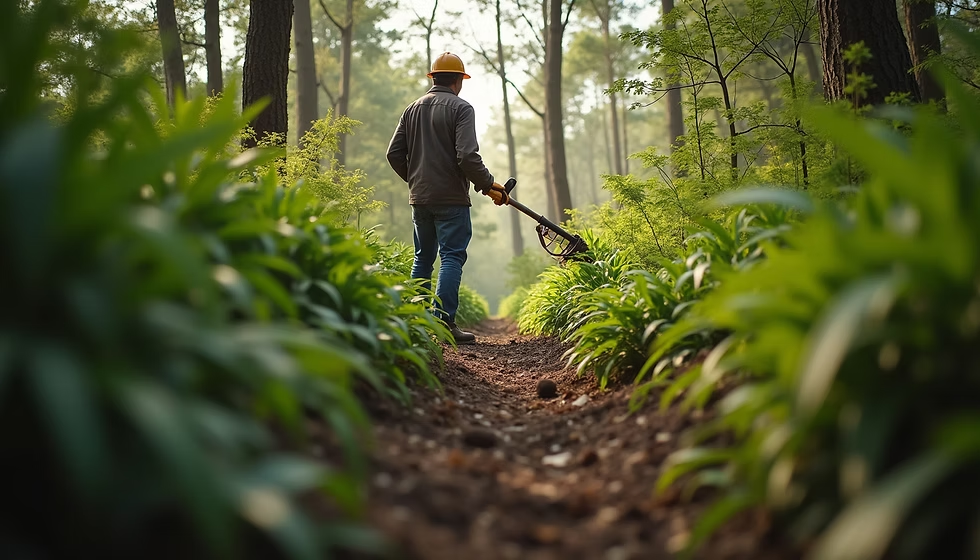
Manual brush removal is preferred for areas that require precision, such as near structures, utility lines, or sensitive habitats. Workers use hand tools to carefully cut and remove vegetation, ensuring minimal disruption to surrounding plants and soil. Although more labor-intensive, manual methods allow for selective clearing and provide greater control over the outcome.
Chemical brush removal is sometimes used in conjunction with other methods. Herbicides may be applied to target invasive species or persistent brush that is difficult to remove mechanically. This method requires careful planning and adherence to environmental regulations to prevent unintended damage to nearby plants or soil contamination.
A combination of these techniques often yields the best results. Professional brush removal services assess each property, considering terrain, vegetation type, and project goals, before developing a tailored approach that maximizes efficiency and long-term effectiveness.
Environmental Considerations
Sustainable brush removal practices are essential for protecting natural resources and maintaining ecosystem balance. Professionals often leave mulched material on-site to enrich soil, retain moisture, and reduce erosion. Preserving desirable trees and vegetation during the clearing process maintains biodiversity and supports local wildlife habitats.
Proper disposal of removed brush and vegetation is another important environmental consideration. Recycled wood can be used for mulch, compost, or biomass energy, reducing waste and minimizing the environmental footprint of brush removal projects. By prioritizing environmentally responsible practices, landowners can achieve effective clearing while maintaining the health and sustainability of their property.
Equipment and Machinery for Brush Removal
Access to specialized equipment is one of the advantages of hiring professional brush removal services. Heavy machinery such as skid steers, bulldozers, forestry mulchers, and brush cutters enables rapid clearing of dense vegetation and challenging terrain. These machines are designed to handle large volumes of brush while minimizing soil disruption.
For more precise clearing, tools such as chainsaws, hand pruners, and stump grinders are used. These allow workers to target specific areas, remove stubborn vegetation, and prepare the land for subsequent use. Proper equipment ensures that brush removal is efficient, safe, and thorough, reducing the need for repeated clearing and long-term maintenance.
Cost Considerations
The cost of brush removal varies based on property size, vegetation density, terrain difficulty, and the techniques used. While DIY approaches may seem economical, professional services often provide a more cost-effective solution in the long run. By completing projects efficiently and minimizing labor and equipment costs, professional brush removal can save time and prevent costly mistakes.
Transparent pricing from reputable providers includes detailed estimates for labor, equipment, debris removal, and any additional services, allowing property owners to plan budgets effectively. Investing in professional brush removal ensures that projects are completed safely, efficiently, and with long-term results in mind.
Safety Considerations
Brush removal involves potential hazards, making safety a top priority. Dense vegetation, falling branches, heavy machinery, and uneven terrain can all pose risks to workers. Professional services follow strict safety protocols, including the use of personal protective equipment, hazard assessment, and proper equipment operation.
Site planning is crucial to avoid accidents and property damage. Identifying hidden obstacles, establishing safe work zones, and maintaining clear communication among team members ensures that brush removal projects proceed efficiently and without incident.
Applications of Brush Removal
Brush removal serves a wide range of purposes across different types of land use. In residential and commercial property management, it improves safety, aesthetics, and usability. Overgrown areas are cleared to create open spaces, reduce fire risk, and provide a clean, organized appearance.
In agriculture, brush removal prepares land for planting, improves irrigation efficiency, and reduces competition for resources between crops and invasive vegetation. For recreational purposes, such as parks, trails, or sports fields, cleared land enhances accessibility and safety for users. Brush removal is also critical for wildfire prevention, ensuring that excess vegetation does not create dangerous fuel loads.
Long-Term Benefits of Brush Removal
The benefits of brush removal extend well beyond immediate land clearing. Cleared land is safer, more accessible, and visually appealing, making it more suitable for development, agriculture, or recreational activities. Removing dense vegetation also reduces long-term maintenance costs by preventing regrowth, controlling invasive species, and preserving soil health.
Additionally, effective brush removal contributes to environmental sustainability. By maintaining soil integrity, supporting healthy vegetation, and reducing fire hazards, property owners create a safer, more productive, and ecologically responsible landscape.
Choosing a Brush Removal Service Provider
Selecting a qualified provider is essential for a successful brush removal project. Property owners should look for companies with experience, proper licensing, insurance, and a proven track record of safe and efficient work. Reviews, referrals, and project portfolios provide insight into the provider’s capabilities.
A reliable brush removal service will assess the property, develop a tailored plan, execute the project efficiently, and provide guidance on ongoing maintenance. Partnering with a professional service ensures that land clearing is conducted safely, effectively, and in a manner that supports long-term property goals.
Conclusion
Brush removal is a critical component of effective land management. By clearing overgrown vegetation, dense brush, and invasive species, property owners can enhance safety, accessibility, and usability while reducing fire risk and improving aesthetics. Professional brush removal services provide the expertise, equipment, and efficiency necessary to achieve optimal results.
Through a combination of mechanical, manual, and environmentally responsible techniques, brush removal ensures that land is prepared for development, agriculture, recreational use, or ongoing maintenance. Investing in professional brush removal services not only improves property functionality and appearance but also supports sustainable land management practices. By understanding the techniques, benefits, and long-term impact of brush removal, property owners can make informed decisions that maximize the value and safety of their land.