A safer daily routine can help an older adult stay confident, comfortable, and independent at home. The goal is not to make every decision for someone else. It is to reduce avoidable obstacles, establish supportive habits, and make it easier to get help when it is needed. For households where a person spends time alone, senior monitoring devices may also be a practical part of a broader safety plan.
The most useful plans are built together. Older adults should have a meaningful voice in choices about their home, routines, check-ins, and emergency contacts. Families can start with small adjustments, then revisit the plan as health, mobility, preferences, or living arrangements change.
Why a Daily Routine Supports Safer Aging
Familiar rhythms simplify daily tasks by setting times for meals, appointments, rest, movement, and medication, offering cues without rigidity. They also signal changes, like if someone who usually calls after breakfast becomes hard to reach. For example, an older adult with a routine of breakfast at 8 a.m., a walk after lunch, a chat in the afternoon, and winding down in the evening maintains a dependable structure that allows hobbies and spontaneous plans.
Build a Calm and Safe Morning
Start With the First Ten Minutes
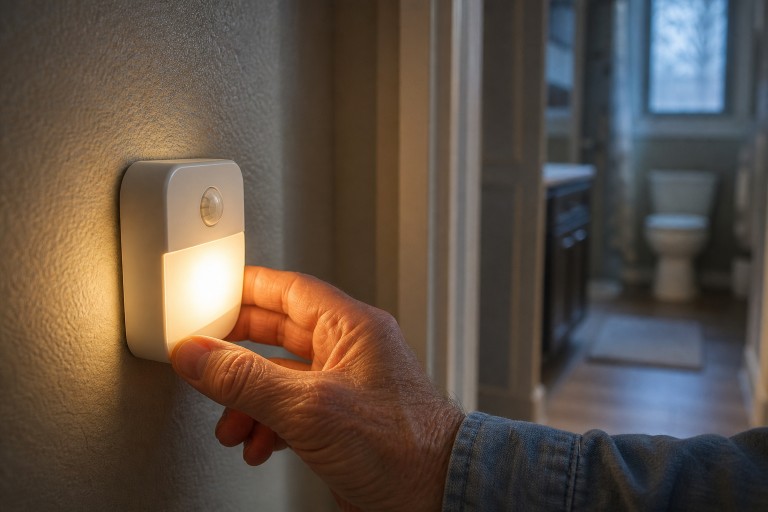
The period immediately after waking deserves attention. Keep glasses, a phone, water, and footwear within easy reach. Use a night light or a motion-activated light between the bed and the bathroom. Encourage sitting on the edge of the bed for a brief moment before standing, particularly if dizziness is a concern. Shoes or slippers should fit securely and have non-slip soles.
Create a Simple Morning Checklist
- Wake up, sit up slowly, and turn on a light.
- Use the bathroom with needed mobility aids nearby.
- Drink water and have breakfast when appropriate.
- Review appointments, transportation, and planned activities.
- Check that a phone, glasses, and keys are easy to locate.
Complete a Room-by-Room Home Check
The steps that can help prevent falls include reviewing medications, improving lighting, removing trip hazards, and discussing strength and balance activities with a health care provider. A home review is most effective when it follows the routes a person actually uses every day.
Living Areas, Bathroom, and Kitchen
- Remove loose rugs, exposed cords, clutter, and low furniture from walking paths.
- Place lamps and switches where they can be reached without stretching or crossing a dark room.
- Install grab bars near the toilet and bathing area, and use non-slip surfaces in wet areas.
- Keep towels, soap, frequently used foods, and kitchen tools within easy reach.
- Store heavier items between waist and shoulder height, and clean spills promptly.
Add Safe Movement Throughout the Day
Short periods of movement can feel more manageable than one long session. When approved by a clinician, a routine might include five minutes of gentle stretching in the morning, a walk after lunch, and chair exercises or balance practice later in the day. After a fall, illness, surgery, or a noticeable change in mobility, a doctor or physical therapist can help identify activities that fit the person’s needs.
Make Medication Habits Easier to Follow
- Maintain an updated list of prescriptions, over-the-counter medicines, supplements, allergies, and prescribing providers.
- Store medicines in one consistent, secure location unless storage instructions say otherwise.
- Pair doses with an established habit, such as breakfast or brushing teeth, when the prescription directions allow it.
- Ask a pharmacist or prescriber to review medicines that may contribute to dizziness, sleepiness, or confusion.
- Use reminders that suit the person, whether that is a pill organizer, a paper calendar, a watch, or a phone alert.
Create a Family Check-In Plan
Choose a Pattern That Can Last
A daily call may work well for one household, while a few scheduled calls each week may suit another. Choose a respectful pattern, name a backup contact, and agree in advance on what happens after a missed call or message. Check-ins should feel like conversation and support, not surveillance.
Questions Families Can Ask
- How is your energy today?
- Have you eaten and had enough to drink?
- Have you felt dizzy, weak, or unusually tired?
- Do you need help with anything at home?
- Is any part of today’s plan difficult?
Prepare for an Emergency
Every household should have a simple response plan for falls, chest pain, breathing trouble, severe weather, power outages, and missed check-ins. Keep emergency contacts, medication and allergy details, preferred hospital information, building access instructions, pet care notes, keys, and mobility aids in a known location. Practice calling emergency services and regularly test phones, chargers, alert buttons, and backup power.
Choose Helpful Safety Technology
Compare tools based on ease of use, comfort, battery life, coverage, privacy, cost, and the person’s routines. A device used mainly at home may not fit someone who walks outdoors, drives, or spends time away from home. A short trial period can show whether the person will confidently wear, charge, and use the equipment. Technology can add a layer of support, but it should not replace regular contact with trusted people.
Review the Plan as Needs Change
A monthly or seasonal review keeps a plan practical. The National Institute on Aging offers room-by-room home safety suggestions that can guide a walkthrough of stairs, bathrooms, bedrooms, kitchens, and outdoor areas. Review the plan sooner after a fall, hospitalization, move, new diagnosis, medication change, or change in vision, hearing, or balance.
Common Questions
How Often Should Families Review a Safety Routine?
Do a quick monthly review and a more detailed review after a significant health event or change in daily habits.
What If an Older Adult Does Not Want Extra Safety Measures?
Start with shared goals such as comfort, freedom, and the continuation of favorite activities. Try one small change, ask for feedback, and adjust together.
When Should a Family Ask for Professional Help?
Contact a health professional after repeated falls, increasing medication confusion, new difficulty with daily tasks, or a sudden change in memory, strength, balance, or behavior.
Can a Safety Plan Replace Regular Family Contact?
No. A plan can improve preparedness, but it does not replace social connection, medical care, or help from trusted people.
Conclusion
Safer aging often begins with steady, practical steps. A clear walkway, a calm morning routine, a medication review, a dependable check-in, and a practiced emergency plan can make daily life easier to navigate. The strongest plan protects health while preserving choice, movement, and independence.