Waste management is an essential component of any construction project, whether it involves residential renovations, commercial building, or large-scale infrastructure development. Projects generate vast amounts of debris, ranging from broken concrete and lumber scraps to packaging materials and excess soil. Without an organized and efficient method to handle this waste, construction sites can become cluttered, unsafe, and non-compliant with environmental regulations. Utilizing a construction dumpster rental provides a practical and cost-effective solution for collecting, storing, and disposing of debris while maintaining a safe and productive work environment.
Understanding Construction Dumpster Rental
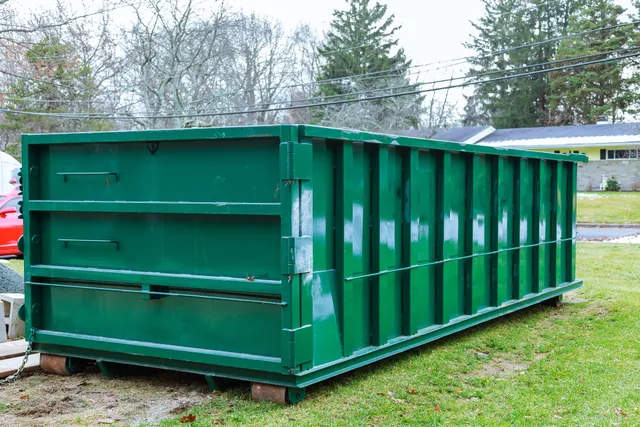
A construction dumpster rental refers to the temporary provision of a large, durable container designed to hold construction-related debris. These dumpsters are typically made of heavy-duty steel to handle substantial weight and bulk, and they come in a range of sizes to accommodate different project scales. Unlike standard garbage bins, construction dumpsters are specifically designed to hold materials commonly generated during building or demolition work, such as concrete, bricks, wood, drywall, metals, and other bulky items. Rental services provide delivery, pickup, and disposal, allowing construction teams to focus on their primary tasks rather than logistics of waste management.
The rental model is particularly advantageous because it offers flexibility. Contractors and homeowners can choose the size of the dumpster based on project requirements and arrange for pickup or replacement as needed. Additionally, professional rental services often provide guidance on proper loading, weight limits, and local regulations for disposing of specific materials. This combination of accessibility, durability, and professional support makes construction dumpster rental an essential tool for maintaining organization and safety on construction sites.
Key Uses of Construction Dumpsters
Construction dumpsters serve a wide variety of purposes, making them suitable for nearly every type of construction or renovation project. Demolition projects, for instance, generate substantial rubble, including concrete, bricks, tiles, and drywall. Having a centralized container on-site allows workers to dispose of these materials efficiently and safely, preventing clutter and reducing potential hazards. Renovation projects benefit similarly, as old flooring, cabinets, fixtures, and other bulky waste items can be deposited in the dumpster without requiring multiple trips to landfills.
New construction projects also generate significant debris, such as packaging materials, excess lumber, and scrap metals. Landscaping projects, which may involve removing trees, soil, and other organic waste, are well-suited for dumpster use. Even small-scale cleanouts for commercial or residential sites benefit from a rental dumpster, as it consolidates waste in one location, ensuring an organized and efficient disposal process. The versatility of construction dumpsters makes them indispensable for managing all types of construction-related debris.
Advantages of Using a Construction Dumpster Rental
Using a construction dumpster rental offers several distinct advantages that contribute to the overall efficiency and safety of a project. One of the primary benefits is convenience. With a dumpster delivered directly to the construction site, workers can deposit waste immediately as it is generated, eliminating the need for multiple trips to off-site disposal locations. This saves both time and labor, allowing teams to maintain focus on project tasks.
Safety is another critical benefit. Construction sites are inherently hazardous, and debris scattered across the workspace can increase the risk of accidents and injuries. A rental dumpster provides a centralized container for waste, reducing clutter and preventing tripping hazards. Environmental compliance is also easier to achieve when using a professional dumpster rental, as waste is typically disposed of in accordance with local regulations, and recyclable materials can be separated and processed appropriately. Additionally, renting a dumpster can be more cost-effective than alternative disposal methods, as it reduces labor, transportation, and landfill fees associated with multiple disposal trips.
Selecting the Right Construction Dumpster
Choosing the appropriate construction dumpster rental requires consideration of several key factors. Size is among the most important decisions. Dumpsters are typically available in sizes ranging from 10 to 40 cubic yards. Small dumpsters are ideal for minor renovations or single-trade projects, while medium and large dumpsters are better suited for extensive construction or demolition projects. Selecting the correct size ensures that the dumpster can accommodate all waste without overfilling, which could result in additional fees or safety hazards.
The type of waste being generated must also be considered. While most construction dumpsters handle general debris, certain materials may require specialized disposal. Hazardous materials, such as asbestos, paints, chemicals, or electronics, often have strict disposal requirements that must be adhered to for legal compliance. Additionally, placement and accessibility should be evaluated to ensure that the dumpster can be delivered and retrieved safely without obstructing project activities. Careful consideration of these factors guarantees an effective, safe, and compliant waste management solution.
Loading and Waste Management Best Practices
Proper loading techniques are essential for maximizing the capacity and efficiency of a construction dumpster rental. Heavy materials, such as concrete, bricks, and metals, should be placed at the bottom of the dumpster to create a stable base. Lighter materials, including cardboard, drywall, and wood scraps, should be layered on top. Breaking down oversized items, such as furniture or large boards, allows for more efficient use of space and reduces the risk of debris falling out of the dumpster during transport.
Weight distribution is also important. Uneven loading can create tipping hazards and may prevent the dumpster from being safely transported. Overfilling beyond the dumpster’s capacity is prohibited, and many rental services require that debris remain below the container’s sides to ensure safe handling. Securing the load with a tarp may be necessary to prevent wind-blown materials from escaping. Following proper loading techniques ensures that the rental is both cost-effective and compliant with safety standards.
Safety Considerations on the Job Site
Safety should always be a top priority when using a construction dumpster rental. Dumpsters should be placed on level ground to prevent tipping, and the surrounding area should be kept clear to allow safe access for loading and truck pickup. Signage or barriers can prevent unauthorized individuals from approaching the container, reducing the risk of accidents. Workers should wear appropriate personal protective equipment, such as gloves, hard hats, and safety boots, when handling debris. Avoid placing hazardous or prohibited materials in the dumpster, and adhere strictly to weight limits and guidelines provided by the rental service. By following these safety precautions, construction teams can minimize accidents and ensure smooth waste removal operations.
Environmental Responsibility and Compliance
Professional construction dumpster rental services help ensure environmentally responsible waste disposal. Many rental companies sort debris for recycling, including metals, concrete, and wood, reducing the environmental impact of construction projects. Proper disposal practices also help maintain compliance with local regulations and avoid potential fines or legal complications. Understanding which materials are recyclable and which require specialized disposal is crucial for sustainable project management. By using a rental service that prioritizes compliance and recycling, construction teams can reduce landfill contributions while maintaining an efficient workflow.
Advantages of Professional Dumpster Rental Services
Hiring a professional construction dumpster rental service provides additional benefits beyond the dumpster itself. These services manage delivery, placement, pickup, and disposal, allowing project managers to focus on construction tasks rather than waste logistics. Professionals can advise on the correct dumpster size, provide guidance on prohibited materials, and offer strategies for efficient loading. Their expertise ensures that waste management is performed safely, efficiently, and in accordance with environmental regulations. Additionally, professional services provide flexibility, allowing projects to scale dumpster use as debris volumes fluctuate throughout different stages of construction.
Integrating Dumpster Rental Into Construction Planning
For maximum efficiency, construction dumpster rental should be integrated into overall project planning. Scheduling dumpster delivery before work begins ensures that waste can be deposited immediately as it is generated. Planning for regular pickups or replacements prevents overflow and maintains a clean, organized site. Coordinating dumpster placement with other site logistics, such as equipment movement and worker access, further streamlines operations. Incorporating dumpster rental into the project plan not only supports efficient waste management but also improves safety, regulatory compliance, and overall productivity.
Conclusion
Effective waste management is a critical aspect of any construction project. A construction dumpster rental provides a reliable, efficient, and safe solution for handling debris, from heavy demolition materials to everyday construction waste. By selecting the appropriate dumpster size, following best practices for loading and safety, and working with professional rental services, construction teams can streamline waste disposal, maintain organized job sites, and comply with environmental regulations. Integrating dumpster rental into project planning ensures that waste is managed efficiently throughout every stage, contributing to safer, cleaner, and more productive construction operations. Ultimately, utilizing a construction dumpster rental is not only practical but also essential for the successful completion of modern construction projects.