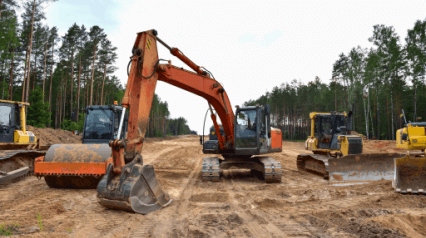
Introduction to Land Clearing
Land clearing is a critical step in property development, agriculture, construction, and environmental management. It involves the removal of trees, brush, rocks, stumps, and other obstacles to prepare land for its intended use. Proper land clearing ensures that soil is ready for planting, construction projects proceed efficiently, and access is safe and manageable. Traditionally, land clearing has been accomplished through labor-intensive methods such as manual cutting, bulldozing, and burning. However, modern techniques have made the process more efficient, environmentally conscious, and cost-effective. Among these methods, machinery-driven solutions and integrated approaches have revolutionized how landowners, developers, and municipalities manage large or challenging plots. Understanding the methods, equipment, and environmental considerations involved in land clearing is essential for achieving sustainable results while minimizing costs and potential damage to the surrounding ecosystem.
What is Land Clearing?
Land clearing refers to the systematic removal of vegetation, debris, and obstacles from a parcel of land to make it suitable for specific purposes. This may include agricultural planting, residential or commercial construction, infrastructure development, or conservation projects. Effective land clearing is more than simply removing visible obstructions; it requires proper assessment of soil type, slope, drainage, and vegetation density to ensure long-term usability. Depending on the size of the land and project requirements, land clearing can involve heavy machinery, manual labor, or a combination of both. Techniques may vary from selective clearing, which preserves desirable vegetation, to complete clearing, which prepares the land for large-scale development.
Modern land clearing projects often utilize specialized equipment such as bulldozers, excavators, mulchers, and chainsaws. These tools increase efficiency, reduce labor requirements, and allow operators to manage larger areas with precision. Additionally, technological advancements in GPS-guided machinery and laser-assisted grading have made land clearing safer, faster, and more accurate. Using professional services for land clearing ensures that projects adhere to regulations, safety protocols, and environmental guidelines.
Importance of Land Clearing
Land clearing serves several essential purposes. For construction projects, clearing the land ensures that structures can be built on stable, level ground and that access roads and utility lines can be established. In agriculture, clearing land removes competing vegetation and debris, preparing the soil for planting crops and improving overall yield. Proper land clearing also supports environmental management by controlling invasive species, reducing wildfire risk, and allowing for restoration of native plant communities.
Beyond practical applications, land clearing improves safety and accessibility. Overgrown areas can harbor pests, obstruct visibility, and increase fire hazards. Clearing such areas ensures that property is manageable and reduces the likelihood of accidents or environmental incidents. Furthermore, well-executed land clearing facilitates ongoing maintenance and allows for landscaping, irrigation, or other development work to proceed efficiently.
Techniques and Methods of Land Clearing
Mechanical Land Clearing
Mechanical land clearing is the most common approach for medium to large-scale projects. This technique uses heavy equipment such as bulldozers, excavators, backhoes, and skid-steers to remove trees, stumps, rocks, and brush. Mechanical clearing is efficient, capable of handling dense vegetation, and reduces the need for extensive manual labor. Specialized attachments like mulchers can grind trees and brush into mulch, leaving a protective layer on the soil that prevents erosion and supports nutrient cycling.
Manual Land Clearing
Manual land clearing involves the use of hand tools such as axes, chainsaws, machetes, and shovels. This method is labor-intensive but allows for selective clearing, which is important when preserving specific trees, plants, or habitats. Manual clearing is often used in sensitive environments, areas with limited access, or smaller plots where heavy machinery may cause soil compaction or disturbance. While slower than mechanical methods, manual clearing provides precision and minimal environmental impact.
Controlled Burning
Controlled burning, also known as prescribed fire, is occasionally used as a land clearing method. This technique is primarily employed in agricultural or forestry management to remove brush, reduce fuel for wildfires, and improve soil fertility through nutrient recycling. Controlled burning must be executed with strict adherence to safety protocols, environmental regulations, and local laws to prevent accidental fires and environmental damage. This method is most effective when combined with mechanical or manual clearing to remove larger debris before burning.
Mulching and Grinding
Mulching is an increasingly popular method of land clearing, especially for dense brush, small trees, and overgrown areas. Forestry mulchers or other grinding machines shred vegetation into fine mulch, which is then spread across the cleared area. This approach provides multiple benefits, including soil protection, reduced erosion, improved moisture retention, and suppression of unwanted plant growth. Mulching is particularly effective in environmentally sensitive areas where minimal soil disruption is required.
Equipment Used in Land Clearing
Successful land clearing depends heavily on selecting the right equipment for the terrain and vegetation. Heavy machinery like bulldozers, excavators, and backhoes is suitable for removing large trees, rocks, and stumps, while skid-steers and mulchers are ideal for brush, shrubs, and smaller vegetation. Chainsaws, axes, and hand tools remain essential for manual clearing and precision work.
Modern equipment often includes GPS and laser guidance systems, which allow operators to clear land with greater accuracy and maintain even grading. Safety features, ergonomic controls, and routine maintenance protocols are also critical for reducing operational risks and ensuring consistent performance.
Environmental Considerations
Responsible land clearing requires careful attention to environmental impact. Removing vegetation indiscriminately can lead to soil erosion, habitat destruction, and water runoff issues. To minimize these effects, professionals recommend selective clearing, maintaining natural buffer zones around waterways, and leaving mulch on-site to protect soil structure. Monitoring the growth of native plants and controlling invasive species after clearing is essential for ecological restoration.
Land clearing should also account for fire prevention. Overgrown land can serve as fuel for wildfires, so strategic clearing reduces fire risk while maintaining ecological balance. Integrating land clearing with environmental management plans ensures that projects are both effective and sustainable.
Cost and Planning Considerations
The cost of land clearing varies based on the size of the property, the density of vegetation, terrain, and the chosen method. Mechanical clearing is typically more expensive due to equipment costs but is faster for large areas. Manual clearing is labor-intensive and slower but may be more economical for smaller plots or sensitive environments. Mulching combines efficiency with environmental benefits, often reducing long-term maintenance costs.
Proper planning is critical for cost-effective land clearing. Assessing the site, evaluating soil quality, determining drainage patterns, and selecting appropriate equipment all contribute to the success of a project. Professional land clearing services can provide detailed estimates, risk assessment, and project timelines to ensure that work is completed efficiently and sustainably.
Land Clearing Safety Best Practices
Safety is paramount in any land clearing project. Operators and workers must wear appropriate protective gear, including helmets, gloves, eye protection, and safety boots. Pre-inspection of the area for hazards such as hidden rocks, stumps, or unstable terrain reduces the risk of accidents. Machinery should be maintained regularly, and workers must be trained in equipment operation and emergency procedures. Clear communication and safe work zones are essential for protecting personnel during large-scale clearing operations.
Conclusion
Land clearing is an essential aspect of property development, agriculture, construction, and environmental management. By removing trees, brush, rocks, and debris, landowners and developers prepare their property for productive use while improving safety and accessibility. Modern techniques, including mechanical clearing, manual labor, mulching, and controlled burning, provide efficient and environmentally responsible options for a wide range of projects. Proper planning, equipment selection, and adherence to environmental and safety guidelines ensure successful outcomes. Whether for residential development, agricultural expansion, or ecological restoration, land clearing remains a crucial process that balances operational efficiency, cost-effectiveness, and environmental stewardship.