Hair loss is a common concern for men and women, and modern techniques like FUE hair transplant in Melbourne offer effective solutions for restoring hair density and a natural hairline. Follicular Unit Extraction (FUE) is a minimally invasive procedure where individual hair follicles are harvested from a donor area and implanted into thinning or balding regions. Choosing an experienced specialist is critical for achieving optimal results, as the skill and precision of the practitioner directly affect the appearance, density, and longevity of the transplant. While FUE is highly popular, some patients may also consider FUT hair transplant in Melbourne, which involves transplanting hair from a strip of scalp. Understanding the differences, benefits, and what to look for in a specialist helps ensure a successful procedure.
Understanding FUE Hair Transplant
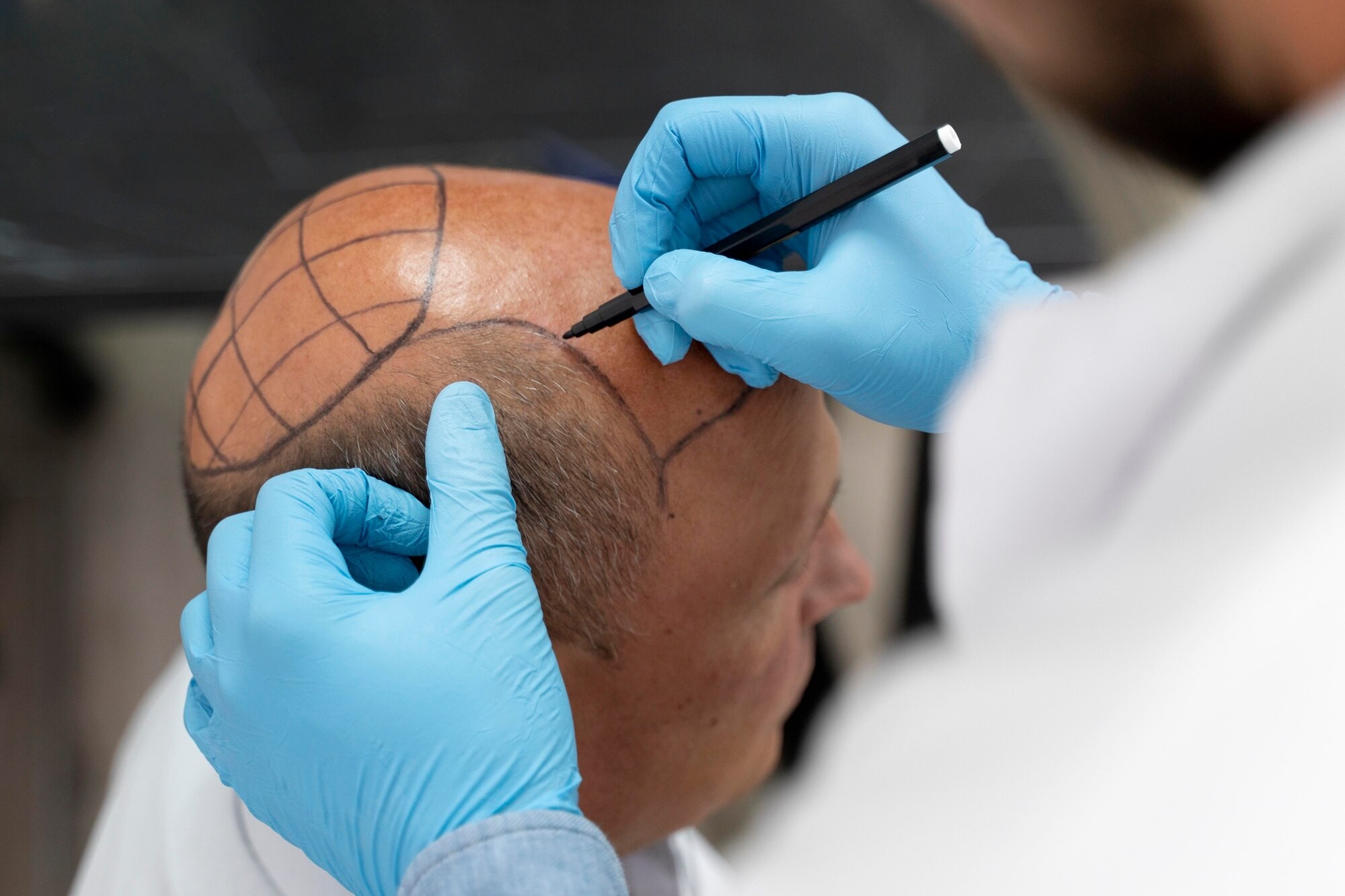
FUE hair transplant involves removing individual follicular units from areas resistant to hair loss, typically the back or sides of the scalp. These follicles are then carefully implanted into thinning regions. The technique is precise and allows for a natural hairline without leaving a linear scar, making it a preferred choice for many patients.
FUE is suitable for:
- Men with receding hairlines or crown thinning
- Women with localized thinning
- Individuals seeking minimal scarring and faster recovery
Importance of Experienced Specialists
The skill of the specialist is a key factor in the success of a hair transplant. Experienced practitioners ensure:
- Correct donor area assessment for optimal follicle quality
- Accurate graft extraction without damaging follicles
- Proper implantation angle and density for a natural look
- Minimal trauma to the scalp and faster healing
- Management of patient expectations
Selecting a qualified and experienced specialist reduces the risk of complications and increases the likelihood of achieving long-lasting, natural results.
Consultation And Assessment
A professional hair transplant clinic begins with a thorough consultation to assess the patient’s suitability for FUE. During this assessment, the specialist examines:
- Hair loss pattern and scalp condition
- Density and quality of donor hair
- Hair texture and colour for natural blending
- Overall health and medical history
This evaluation helps determine whether FUE or an alternative approach like FUT is more appropriate.
Differences Between FUE and FUT
Understanding the differences between FUE and FUT hair transplant in Melbourne helps patients make informed decisions.
FUE (Follicular Unit Extraction)
- Individual follicles are harvested
- Minimal scarring, almost undetectable
- Faster recovery and less discomfort
- Suitable for patients wanting short hairstyles
FUT (Follicular Unit Transplantation)
- A strip of scalp is removed from the donor area
- Follicles are dissected and transplanted
- May allow more grafts in a single session
- Leaves a linear scar, which may be visible with short hair
Both methods are effective, but patient preference, hair loss pattern, and donor hair availability often determine the best option.
Preparation For FUE Hair Transplant
Proper preparation before a hair transplant is essential. Specialists typically advise patients to:
- Avoid smoking and alcohol for several days before the procedure
- Refrain from taking medications that increase bleeding risk
- Wash the scalp thoroughly on the day of surgery
- Follow any specific instructions regarding diet or supplements
Preparation helps minimise complications and promotes smooth recovery.
The FUE Procedure
During the FUE procedure, local anaesthesia is administered to ensure comfort. The process involves:
- Extracting individual follicular units from the donor area
- Preparing recipient sites for implantation
- Implanting follicles at precise angles and densities to achieve a natural hairline
The procedure can take several hours depending on the number of grafts required.
Recovery And Aftercare
Recovery from FUE hair transplant is generally quick, with most patients resuming normal activities within a few days. Key aftercare instructions include:
- Gentle washing of the scalp as advised by the specialist
- Avoiding strenuous activity for a few weeks
- Using prescribed medications to manage discomfort or prevent infection
- Protecting the scalp from sun exposure and trauma
Initial shedding of transplanted hair is normal, and new growth typically appears after three to four months, with full results visible after 9 to 12 months.
Benefits Of Choosing Experienced Specialists
Selecting a highly experienced FUE specialist ensures:
- A natural-looking hairline and proper density
- Safe extraction and implantation of grafts
- Minimal scarring and faster healing
- Personalised treatment plans tailored to patient needs
- Ongoing support and follow-up care
Experienced practitioners also advise on combining treatments, such as topical or oral medications, to maintain existing hair and improve long-term results.
Long-Term Maintenance
After a successful FUE hair transplant, maintaining results is important. Specialists may recommend:
- Continued use of hair growth medications like Minoxidil or Finasteride
- PRP therapy to enhance follicle health
- Scalp care routines to support hair growth and prevent further thinning
Regular follow-ups help monitor progress and adjust treatments as needed.
Conclusion
FUE hair transplant in Melbourne is a highly effective solution for men experiencing thinning hair or bald patches. Choosing an experienced specialist is essential to ensure natural results, minimise complications, and achieve long-lasting hair restoration. While FUT hair transplant in Melbourne remains an option for some patients, FUE offers minimal scarring, faster recovery, and excellent aesthetic outcomes. A thorough consultation, careful planning, and proper aftercare contribute to a successful transplant, helping men regain hair density and confidence while maintaining healthy scalp conditions for the future.