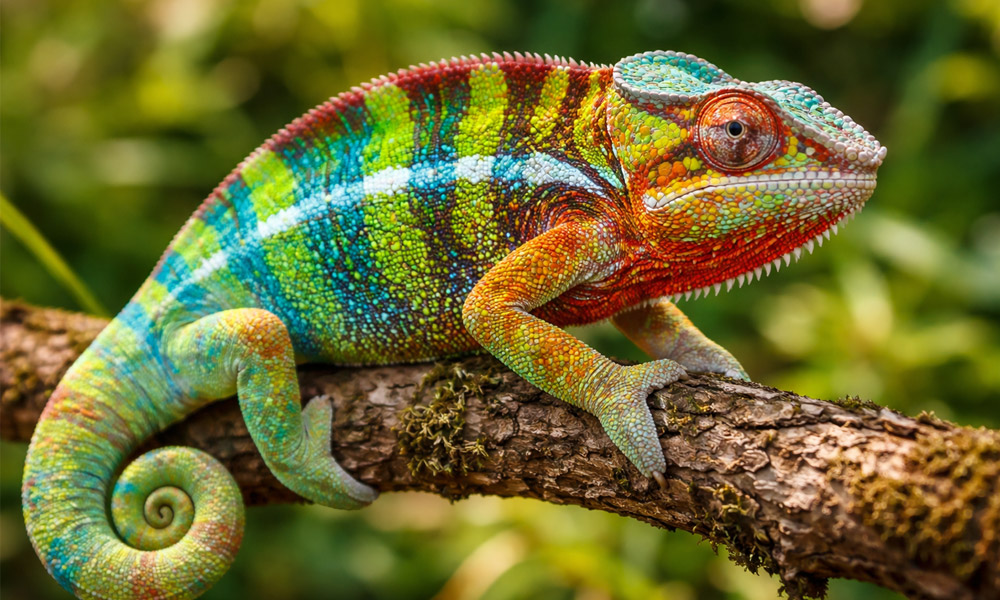
Have you ever watched a chameleon change color and wondered, how do they do that? It almost feels like magic. But behind this “magic” is the world of Chameleónovité, a family of reptiles that truly feels like something from a storybook. These animals can change colors, move their eyes in two different directions at once, and catch insects with a tongue that shoots out faster than you can blink.
People all around the world love chameleons because they look unusual and mysterious. But the truth is, the more you learn about them, the more amazing they become. In this simple and friendly guide, we will look at every important part of Chameleónovité. We will learn what they are, where they come from, how they live, and why they matter so much to nature.
Today’s article will walk you through their story step by step, using easy words and clear examples. By the end, you will see why Chameleónovité are some of the most special reptiles on Earth.
What Chameleónovité Means in Simple Words
The word Chameleónovité may look long, but its meaning is very simple. It is the Slovak and Czech name for the scientific family Chamaeleonidae. In English, we simply say “chameleons.” So when we use the word Chameleónovité, we are talking about the whole family of chameleons, not just one type.
This word is often used in science books, classrooms, and nature studies in Central Europe. It helps people talk about all chameleons at once, from big colorful ones to very small, leaf-like ones. Using the family name is helpful because it reminds us that many species are related, even though they look very different.
So whenever you see the word Chameleónovité in this article, just think: “This means all chameleons together.” It is that simple.
The Chameleónovité Family: A Quick Look at Their Place in Nature
Every animal on Earth belongs to a group, and chameleons are no different. Chameleónovité belong to the reptile class, which also includes snakes, turtles, and lizards. They are part of the order Squamata, the large group that covers most living lizards. But within this group, they have their own family because they are so different from other reptiles.
Scientists place Chameleónovité in the suborder Iguania. This means chameleons are related to iguanas and agamid lizards, even though they look nothing alike. Their place in nature shows how special their evolution has been. While most lizards kept a simple body plan, chameleons developed advanced features like color-changing skin and a strong gripping tail.
When we look at a chameleon, we see millions of years of change and survival. The family name Chameleónovité reminds us how unique they are in the reptile world.
How Chameleónovité Evolved Over Millions of Years
Chameleónovité did not always look like the chameleons we see today. Their story began tens of millions of years ago. Old fossils found in Africa and Europe show us that early chameleons started to appear during the Paleocene and Eocene periods. These fossils show small reptiles already growing special feet and strong tails for life in trees.
Many experts believe that chameleons began in Africa and later traveled to Madagascar. Once they reached the island, something amazing happened. Because Madagascar is isolated, chameleons evolved into many different species. Today, nearly half of all known chameleons live on this island.
Imagine this: one group of early chameleons arrives in Madagascar. Over time, some start living in dense rainforests. Others move into dry forests. Some live high in the mountains. Each group grows new colors, shapes, and sizes to survive in its own place. This is why the Chameleónovité family has so many different forms today.
The evolution of Chameleónovité is one of nature’s best examples of how animals adapt and grow over time.
Types of Chameleónovité and How Different They Can Be
Today, scientists have discovered more than 200 species of Chameleónovité. That’s a huge number for one reptile family. These species come in many sizes. Some can fit on your fingertip, while others can grow longer than your arm. This makes the family incredibly rich and exciting to study.
The main groups, or genera, inside Chameleónovité include:
-
Chamaeleo — mostly African species with tall “helmet-like” heads
-
Furcifer — colorful species from Madagascar
-
Trioceros — often have horns or spikes
-
Brookesia — tiny “leaf chameleons,” some of the smallest reptiles on Earth
-
Calumma — delicate forest chameleons from Madagascar
Each group has its own style. For example, Furcifer pardalis, the Panther Chameleon, comes in many bright colors like red, blue, and green, depending on where it lives. On the other hand, Brookesia species are small and brown, looking almost like dried leaves on the forest floor.
So even though all these species belong to Chameleónovité, they each have their own way of living and surviving.
The Color Change Magic: How Chameleónovité Change Their Skin
Color change is the number one reason people are amazed by chameleons. But how does it really happen? And why do they do it? The truth is even more interesting than the idea of “camouflage.”
Chameleónovité change color using special skin cells. These cells reflect light and move tiny pigments around to create new shades. When a chameleon feels calm, its colors may stay soft and green. When it is excited, scared, or trying to impress another chameleon, its colors can become bright and bold.
Color change helps with many things:
-
Communication: A male may turn bright colors to impress a female.
-
Warning: Dark colors may show anger or fear.
-
Temperature: Darker colors help them warm up in the morning.
-
Safety: Sometimes they blend in to stay hidden.
Think of their skin like a living mood ring, but far more advanced. Chameleónovité speak with color, and this makes them one of the most expressive reptiles in the world.
Special Body Skills That Make Chameleónovité Unique
If color change were the only special thing about Chameleónovité, they would still be amazing. But they have many other unique skills that make them even more impressive.
Their eyes move in two different directions at the same time. Imagine looking at the sky and the ground at once! This helps them stay safe and find food without turning their heads.
Their tongue is like a tiny rocket. It can shoot out faster than almost any movement in the animal world. It stretches farther than their own body and catches insects with a sticky tip.
Their feet work like little pincers, gripping branches tightly. Their tail is strong and can wrap around branches like a fifth arm. These features help Chameleónovité climb, balance, and stay hidden in trees.
Everything about their bodies is designed for survival. They may move slowly, but their skills are extremely advanced.
Where Chameleónovité Live Around the World
Chameleónovité live in many parts of the world, but they are most common in Madagascar and Africa. Some species also live in southern Europe, the Middle East, and parts of India. Each region gives them different challenges, so each species adapts in its own way.
Some live in rainforests, where the air is wet and warm. Others live in savannas, where the land is dry and open. Some even live in mountain forests, where the cold can be a challenge.
Madagascar is often called the “home of chameleons” because so many species live only there. If you walk through a Madagascar forest, you could find a tiny leaf chameleon on the ground or a big bright Panther Chameleon high in the trees.
The wide range of habitats shows how flexible and adaptive Chameleónovité truly are.
How Chameleónovité Act: Their Daily Life and Behavior
Chameleónovité live a quiet life. They like peace, and they do not enjoy being around others of their kind. Most chameleons only meet when it is time to mate. The rest of the time, they prefer to stay alone and protect their space.
Their hunting style is slow and patient. They do not chase prey. Instead, they wait, watch, and strike at just the right moment with their fast tongue. This slow movement also keeps predators from noticing them.
Chameleónovité use color, body posture, and movement to communicate. A male may puff up his body to look bigger. A female may change color to show she is not interested. Even the way they walk—side to side, like a leaf swaying—helps them stay safe.
Their behavior is a mix of calm, caution, and sudden speed.
How Chameleónovité Reproduce and Grow
Reproduction in Chameleónovité is full of color and display. When a male wants to attract a female, he shows his brightest colors. He moves slowly and carefully, hoping the female accepts him. If she does not, she may turn dark and show she wants him to stay away.
Most chameleons lay eggs. A female digs a hole, lays her eggs inside, and covers them up. Then she leaves them to develop on their own. Some species give birth to live young, especially those that live in cooler places.
When baby chameleons hatch, they are ready for life immediately. They can climb, hunt, and change color from the start. Their growth depends on food, temperature, and their species. Some live only a few years, while others can live almost a decade in good care.
Why Chameleónovité Matter in Nature
Chameleónovité may seem small and gentle, but they play a big role in nature. One of their most important jobs is controlling insect numbers. They eat large amounts of insects every day, helping keep forests and gardens in balance. Without them, some areas might struggle with too many bugs.
They are also an important part of the food chain. Many birds, snakes, and mammals depend on chameleons as a food source. This means Chameleónovité help support other animals too, even if we do not always notice it.
Another reason they matter is that they can show us the health of the environment. When chameleon numbers drop in an area, it often means something is wrong—maybe pollution, habitat loss, or climate change. Scientists call them “nature’s warning signs,” and they help us understand problems before they become too big.
Keeping Chameleónovité as Pets: Simple Things to Know
Some people love the idea of having a chameleon at home. And yes, watching a chameleon change color or move slowly through its branches can be very relaxing. But it is important to know that keeping Chameleónovité as pets is not as simple as keeping a cat or a dog.
Chameleons do not like being handled often. They are quiet animals that enjoy calm spaces. They can become stressed easily, and stress can make them sick. Because of this, they are not the best choice for young kids or complete beginners.
If someone really wants a chameleon, it is important to choose species that adapt better to captivity, such as the Veiled Chameleon or Panther Chameleon. And most importantly, always choose captive-bred pets. Wild-caught Chameleónovité suffer greatly from capture and transport, and buying them harms wild populations.
Keeping a chameleon is a big responsibility. It can be rewarding, but it should be done with care, patience, and respect.
How to Take Proper Care of Chameleónovité at Home
A healthy chameleon needs the right environment. A small box or simple cage will not work. Chameleónovité need tall tanks so they can climb, because climbing is how they feel safe. The tank should have many branches, leaves, and places to hide.
Lighting and temperature are also very important. Chameleons need UVB light to stay healthy. Without it, they can suffer serious bone problems. They also need warm areas and cooler areas so they can choose where to sit. This mix helps them control their body temperature.
Their food must be fresh and alive. They eat insects like crickets and worms. These insects should be fed healthy foods before being given to the chameleon, so the chameleon gets good nutrients too. They also need calcium and vitamins sprinkled on their food to grow strong bones.
Water is another key point. Chameleónovité usually do not drink from bowls. Instead, they drink drops from leaves. This is why owners need to mist the tank or use a drip system. When all these needs are met, chameleons can live long, happy lives in captivity.
The Biggest Threats to Chameleónovité Today
Sadly, even with all their amazing skills, Chameleónovité face many dangers today. One of the biggest problems is habitat loss. Forests in Madagascar and Africa are being cut down for farming and development. When trees disappear, chameleons lose their homes and food.
Climate change also makes life harder for them. Some species need very specific temperatures and humidity levels. When the weather becomes too hot, too dry, or too unpredictable, the animals cannot survive.
Another huge threat is the illegal pet trade. Many wild chameleons are captured and sold around the world. They are taken from their homes, kept in tight boxes, and shipped long distances. Many do not survive the journey. Buying wild-caught Chameleónovité only makes this problem worse.
If we want to protect these beautiful reptiles, we need to address these threats before it is too late.
How We Can Help Protect Chameleónovité
The good news is that everyone can help. Even small actions can make a big difference. One simple step is to support trusted conservation groups that work to protect chameleon habitats. These groups plant trees, protect forests, and teach local communities how to care for the land.
If someone wants a pet chameleon, choosing a captive-bred animal is a huge help. It reduces the demand for wild-caught animals and protects wild populations. Sharing information online or with friends can also raise awareness about the dangers Chameleónovité face.
You can also support eco-friendly brands or travel responsibly in places like Madagascar. Every positive choice helps protect the forests that chameleons need to survive. When more people care, real change becomes possible.
Fun and Surprising Facts About Chameleónovité
Chameleónovité are full of surprises. For example, the smallest chameleon in the world, Brookesia nana, is so tiny that it can sit on the tip of your finger. On the other side, the largest species can grow longer than 60 centimeters from head to tail.
Their tongue speed is another shocking fact. Some species can fire their tongue from 0 to full speed in less than one-tenth of a second. That is faster than most sports cars can move from a stop.
Chameleons also see things humans cannot. Many species can see ultraviolet light, which helps them find mates and understand signals we cannot see. And have you ever noticed how chameleons walk? They move slowly side to side, almost like they are dancing with the wind. This keeps them looking like leaves moving in the breeze, making them harder to spot.
Nature is full of wonders, and Chameleónovité are some of its greatest.
Conclusion
Chameleónovité remind us how beautiful and creative nature can be. Their color-changing skin, careful movements, and amazing hunting skills show how well they have adapted over millions of years. But even with all these special gifts, they still need our help.
If we protect their forests, fight illegal trade, and support ethical care, we can make sure these reptiles stay part of our world. The more we learn about them, the more we understand how important they are to nature and how much we can do to keep them safe.
Chameleónovité are more than just color-changing reptiles. They are a symbol of change, beauty, and life. Protecting them means protecting a piece of nature that cannot be replaced.
(FAQs)
What does the word Chameleónovité mean?
Chameleónovité is the Slovak and Czech name for the chameleon family. It refers to all species of chameleons, not just one type. It is the same as the scientific family name Chamaeleonidae. When you see this word, think “all chameleons together.”
Why can Chameleónovité change color?
They change color because of special skin cells. These cells move pigments and reflect light. Color change helps them show feelings, control body heat, or talk to other chameleons. It is not only for hiding. It is also a way to say “I’m scared,” “I’m angry,” or “Look at me.”
Where do Chameleónovité live naturally?
Most Chameleónovité live in Madagascar and Africa. Some live in India, the Middle East, and even parts of southern Europe. They can live in rainforests, dry forests, mountains, and savannas. Each species chooses a place that fits its needs.
Are Chameleónovité good pets for beginners?
No, they are not good for beginners. They need very specific care, such as UVB lights, the right humidity, and a tall tank. They also get stressed easily when handled too much. Only people with patience and experience should keep them as pets.
What do Chameleónovité eat?
They mostly eat insects like crickets, worms, flies, and roaches. Bigger species may also eat small birds or other reptiles. In captivity, they need gut-loaded insects (insects fed healthy foods) and calcium and vitamin powders to stay strong.
How do Chameleónovité hunt their food?
They do not chase prey. Instead, they stay still and watch quietly. When an insect comes close, they shoot their long sticky tongue at it. Their tongue can move faster than almost any movement in nature. It is very accurate and very strong.
How long do Chameleónovité live?
Smaller species usually live 2 to 5 years. Larger species, like the Veiled Chameleon, can live 7 to 10 years with proper care. In the wild, their life may be shorter because of predators and environmental changes.
Why are some Chameleónovité endangered?
Many are endangered because their forests are being cut down. Climate change also affects their home temperatures and humidity. Another problem is illegal capture for the pet trade. Many wild chameleons do not survive the journey or lose their natural populations.
How can people help protect Chameleónovité?
People can help by supporting conservation groups, choosing captive-bred pets instead of wild-caught ones, and sharing information about their threats. Protecting forests and choosing eco-friendly products also help keep their habitats safe.
What makes Chameleónovité different from other reptiles?
They have many unique features that other reptiles do not have. Their eyes move separately. Their tail works like a fifth arm. Their feet grip branches like hands. And, of course, they can change color in amazing ways. All of these special skills make Chameleónovité one of the most unique reptile families in the world.
Read next: Novafork: How This Free Streaming Site Works (In Easy Words)