Creating a comfortable indoor environment is a top priority for homeowners, especially in regions where high temperatures can make living spaces uncomfortable. Properly installed air-conditioning systems play a crucial role in maintaining consistent indoor comfort, enhancing energy efficiency, and improving indoor air quality. Air-conditioning residential installs are not just about placing a unit in your home; they involve precise calculations, professional expertise, and careful integration with your home’s electrical and duct systems to ensure optimal performance and long-term reliability. For anyone building a new home, replacing an aging unit, or upgrading to a more energy-efficient system, hiring a professional for residential air-conditioning installation guarantees that the system will operate safely, efficiently, and reliably.
Home air-conditioning systems are exposed to constant use and environmental stress, which makes professional installation critical. Improper installation can lead to uneven cooling, frequent breakdowns, high energy bills, and shortened system lifespan. By employing trained HVAC technicians, homeowners ensure that the system is sized correctly, installed according to manufacturer specifications, and configured for maximum efficiency. Beyond functionality, professional residential installation enhances safety, prevents potential damage to the property, and preserves the system’s warranty, making it a long-term investment in comfort, energy savings, and peace of mind.
Why Professional Air-Conditioning Residential Installs Matter
The importance of professional installation for air-conditioning residential installs cannot be overstated. A properly installed system ensures even cooling throughout the home, reduces energy consumption, prevents mechanical strain, and maintains optimal indoor air quality. Incorrect installation often leads to imbalances in airflow, refrigerant issues, and electrical problems that reduce system efficiency and increase the likelihood of costly repairs.
Safety is another critical factor. Residential air-conditioning systems involve electrical wiring, refrigerants, and complex mechanical components. Professionals follow strict safety protocols during installation, minimizing the risk of hazards such as electrical shocks, refrigerant leaks, or fire. Additionally, a professionally installed system complies with local building codes and regulations, protecting homeowners from potential legal or insurance complications while ensuring that the system operates reliably and efficiently.
Types of Residential Air-Conditioning Systems
Homeowners have several options when selecting a system for air-conditioning residential installs, each offering unique features and considerations that impact comfort, cost, and energy efficiency.
Central Air Conditioning
Central air-conditioning systems are designed for whole-home cooling and are the most common solution for larger properties. They rely on ductwork to distribute cooled air evenly throughout each room, ensuring consistent temperatures. Professional installation is crucial to achieve balanced airflow, avoid hot and cold spots, and maximize efficiency. Central systems also integrate seamlessly with programmable thermostats, allowing homeowners to control the climate with precision and convenience.
Ductless Mini-Split Systems
Ductless mini-split systems provide targeted cooling without requiring extensive ductwork. They consist of one or more indoor air handlers connected to an outdoor compressor. Proper installation involves mounting units in optimal locations, running refrigerant lines correctly, and ensuring electrical connections are secure. Ductless systems are ideal for older homes without existing ducts or for room-specific cooling needs, offering flexibility and energy-efficient performance.
Heat Pump Systems
Heat pumps serve a dual purpose, providing both heating and cooling by transferring heat between indoor and outdoor units. Residential installs of heat pumps require careful sizing, accurate refrigerant charging, and precise electrical connections to maintain performance and efficiency. Heat pumps are highly energy-efficient, reducing utility costs while providing year-round climate control, making them an attractive option for homeowners seeking sustainable solutions.
Window and Portable Units
Window and portable air-conditioning units are typically used as supplemental cooling for smaller spaces or temporary needs. While these systems are easier to install than central or ductless systems, proper placement, sealing, and electrical setup remain essential for optimal performance and safety. Professional guidance ensures that even these units operate efficiently and do not create energy waste or safety hazards.
Steps in Air-Conditioning Residential Installs
Professional air-conditioning residential installs involve multiple coordinated steps to guarantee optimal system performance, energy efficiency, and safety.
Assessment and Load Calculation
The installation process begins with a comprehensive assessment of the home’s cooling requirements. Technicians perform a detailed load calculation, taking into account factors such as square footage, insulation quality, window orientation, climate conditions, and occupancy patterns. Accurate load calculation is critical to selecting a unit that is neither oversized nor undersized, as both scenarios can reduce efficiency, increase energy costs, and shorten system lifespan.
Equipment Selection
Following the assessment, the appropriate system is selected based on performance needs, energy efficiency, and compatibility with the home’s existing infrastructure. Professionals advise homeowners on choosing the right equipment, balancing cost, functionality, and long-term reliability. Considerations include energy efficiency ratings, cooling capacity, indoor unit type, and integration with programmable thermostats or smart home systems.
Ductwork and Refrigerant Line Installation
For central air-conditioning systems, proper duct design, sealing, and insulation are essential to achieve uniform airflow and prevent energy loss. For mini-split and heat pump systems, correct installation of refrigerant lines, mounting of indoor and outdoor units, and secure electrical connections are critical. Attention to detail in this stage ensures the system operates safely, quietly, and efficiently.
Installation and System Testing
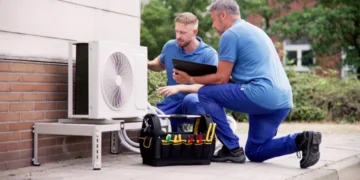
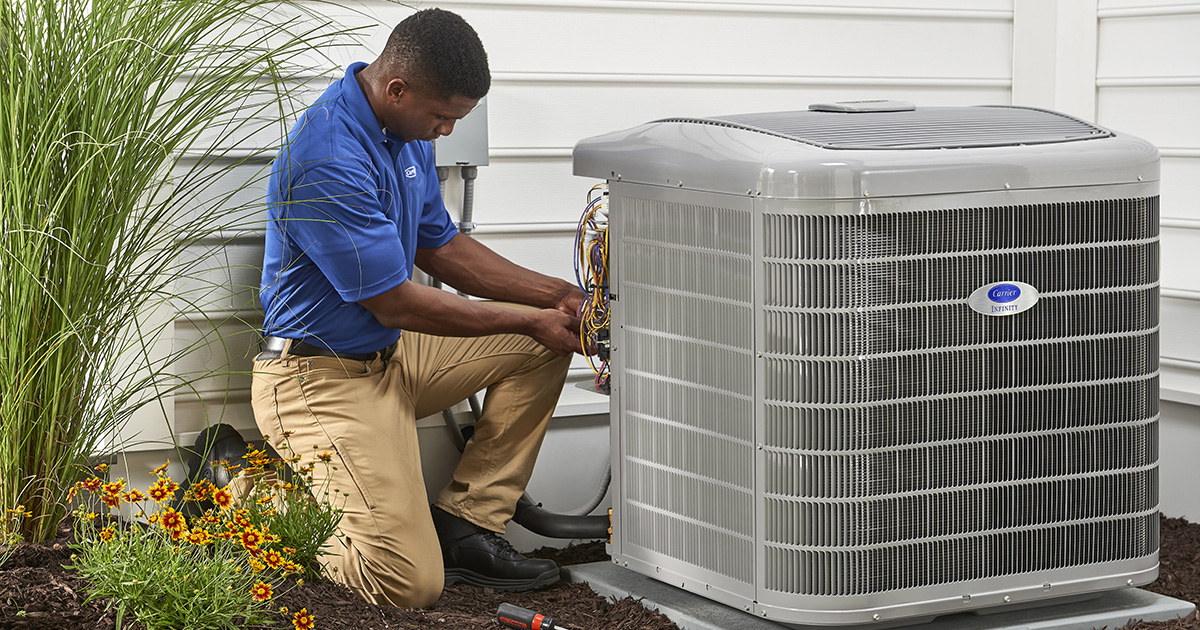
Once all components are in place, the system is installed according to manufacturer specifications. This includes securing outdoor compressors, mounting indoor units, connecting refrigerant lines, wiring electrical systems, and integrating thermostats. After installation, the system undergoes thorough testing to verify cooling performance, airflow balance, temperature consistency, and energy efficiency. Professionals also check for leaks, electrical issues, and overall functionality to ensure a reliable and long-lasting installation.
Maintenance Guidance
Professional installers provide guidance on routine maintenance, filter replacement, and seasonal inspections to extend system life and maintain efficiency. Homeowners receive instructions for optimal thermostat use, airflow management, and troubleshooting minor issues. Regular maintenance, guided by the installer, prevents major repairs and keeps the system operating at peak performance.
Benefits of Professional Air-Conditioning Residential Installs
Hiring professionals for residential air-conditioning installation offers numerous advantages that impact comfort, energy efficiency, and long-term reliability.
Energy Efficiency
Proper installation ensures the system operates at maximum efficiency, reducing energy consumption and utility costs. Incorrect installation can cause airflow imbalances, refrigerant leaks, and wasted energy, which increase monthly bills and reduce system lifespan.
Consistent Comfort
Professionally installed systems provide uniform cooling throughout the home, eliminating hot and cold spots and improving indoor comfort. Proper installation also allows for accurate temperature control using programmable or smart thermostats, further enhancing convenience.
Longevity and Reliability
Correct installation reduces stress on system components, extending the life of the air-conditioning unit and minimizing the need for costly repairs. This ensures long-term reliability and consistent performance during peak cooling periods.
Safety and Code Compliance
Licensed HVAC professionals follow strict safety protocols, ensuring proper electrical connections, secure refrigerant handling, and correct mounting of units. Compliance with local building codes and manufacturer guidelines protects the home, preserves warranties, and minimizes safety risks.
Cost Savings
Although professional installation may involve higher upfront costs than a DIY approach, it prevents future expenses associated with repairs, energy inefficiency, and system failure. The long-term savings make professional installation a cost-effective investment.
Choosing the Right Company for Residential Installs
Selecting the right provider for air-conditioning residential installs is critical to achieving a successful outcome.
Verify credentials, licenses, and insurance to ensure safe and compliant installation.Assess experience with similar residential installations to ensure expertise with the specific system type.Check references and online reviews to confirm quality, reliability, and customer satisfaction.Compare detailed estimates, including labor, equipment, warranties, and project timelines.Prioritize clear communication and professional guidance throughout the installation process.
Maintenance Tips After Installation
Post-installation maintenance is essential for ensuring energy efficiency and system longevity. Homeowners should replace or clean filters regularly to maintain airflow and indoor air quality, schedule annual inspections by a professional, keep outdoor units free from debris, and promptly address unusual noises or performance issues. Following these guidelines preserves the efficiency of the system and protects the homeowner’s investment over time.
Conclusion
Professional air-conditioning residential installs are an essential investment in home comfort, energy efficiency, and long-term system reliability. Proper installation ensures consistent cooling, reduces energy costs, prevents premature system failure, and safeguards the property from safety hazards. By hiring an experienced and licensed HVAC company, homeowners benefit from professional expertise, safe handling of refrigerants and electrical components, and systems optimized for performance and longevity.
From initial assessment and equipment selection to ductwork, installation, testing, and maintenance guidance, professional residential air-conditioning installation provides homeowners with peace of mind, improved indoor comfort, and reduced long-term costs. Investing in professional installation ensures a safe, efficient, and reliable cooling system capable of delivering comfort throughout the year.