Furniture is made to be used, not admired from a distance. Dining tables host family meals, sofas become the favourite spot for film nights, and coffee tables somehow end up holding everything from books to mugs of tea. It’s no surprise that everyday life leaves its mark.
The good news is that most furniture damage is preventable. A few simple habits, combined with the right care, can keep your furniture looking its best for years.
Whether you’re protecting a brand-new purchase or a treasured family piece, taking action now is always easier than dealing with repairs later.
Furniture Faces More Than Everyday Wear
Most people think of scratches and spills as the biggest threats to their furniture. In reality, many problems develop so gradually that they’re easy to miss.
Sunlight slowly fades fabrics and timber finishes, even through window glass. Dust acts like a fine abrasive when it’s rubbed across surfaces, while body oils build up on armrests, leather, and upholstery over time.
Changes in temperature and humidity also cause natural materials to expand and contract, placing stress on joints and finishes.
None of these problems appears overnight. That’s why regular care makes such a noticeable difference in the long run.
Different Materials, Different Challenges
Every material has its own strengths and weaknesses.
Solid wood is durable, but it can scratch, warp, or develop water marks if it isn’t properly protected. Upholstered furniture is more likely to absorb dust, spills, allergens, and everyday odours.
Leather develops character as it ages, but without occasional conditioning it can dry out, crack, or lose its softness.
Using products designed for each material helps preserve both the appearance and the lifespan of your furniture. A one-size-fits-all approach rarely delivers the best results.
Recognise the Early Signs of Damage
Furniture rarely goes from perfect to ruined overnight. Most damage starts small.
Fine scratches, loose joints, chipped corners, faded fabric, flattened cushions, and tiny cracks in wood are all early warning signs. While these issues may seem cosmetic at first, they can worsen if ignored.
Catching problems early often means a simple repair instead of a costly restoration. A loose chair leg, for example, is much easier to fix before it begins placing extra strain on the rest of the frame.
A quick inspection every few months can save both money and frustration later.
Prevention Costs Less Than Repair
Protecting furniture doesn’t have to involve expensive products or complicated routines.
Coasters prevent heat marks and water rings. Felt pads stop chairs from scratching wooden floors and reduce wear on furniture legs.
Washable throws protect sofas from pets, children, and everyday spills, while fabric protection treatments help liquids remain on the surface for longer, giving you time to clean them up.
These small investments cost very little compared with repairing a scratched dining table, restoring stained upholstery, or replacing an entire sofa. It’s one of the few occasions where a little prevention genuinely goes a long way.
Moving Is One of Furniture’s Biggest Risks
Oddly enough, furniture often suffers its worst damage when it isn’t being used at all.
House moves, renovations, and even rearranging a room can result in scratched surfaces, chipped corners, torn upholstery, or weakened joints.
Dragging heavy furniture across the floor places unnecessary stress on the frame, while poor packing can leave delicate finishes vulnerable to knocks during transport.
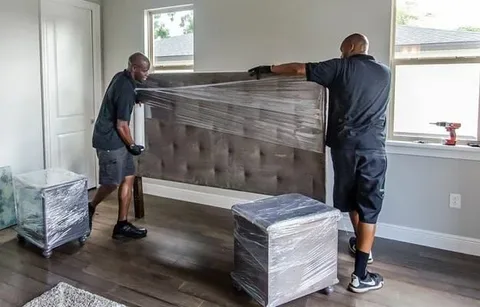
If you’re moving home, empty drawers before lifting large pieces, protect corners with padding, and wrap wooden and upholstered furniture in moving blankets.
Larger items are often easier and safer to transport once partially dismantled, provided they’re reassembled correctly afterwards.
For larger moves, experienced removals in Chiswick have the equipment and expertise to move bulky furniture safely.
Proper lifting techniques, protective wrapping, and secure transportation all reduce the risk of unnecessary damage, helping your furniture arrive in the same condition it left.
Storage Needs Just as Much Attention
Furniture isn’t completely safe simply because it’s been put away.
Garages, lofts, and sheds often experience changing temperatures and higher humidity levels. These conditions can lead to mould, warped timber, rust on metal fittings, and unpleasant odours in upholstered furniture.
Whenever possible, store furniture in a clean, dry, well-ventilated space. Cover pieces with breathable fabric sheets rather than plastic, which can trap condensation.
Avoid stacking heavy items on upholstered furniture, and keep wooden pieces raised slightly off concrete floors to reduce moisture exposure. A little care in storage helps ensure your furniture is ready to use when you need it again.
Build a Simple Maintenance Routine
Even well-protected furniture still benefits from regular care.
Dust wooden surfaces with a microfibre cloth to prevent tiny particles from scratching the finish. Vacuum upholstered furniture every week using the upholstery attachment to remove grit before it settles deep into the fibres.
Deal with spills as soon as they happen by blotting rather than rubbing. Leather furniture should be conditioned every few months to maintain its flexibility, while wooden furniture benefits from products specifically designed for its finish.
Furniture appreciates consistency far more than occasional bursts of enthusiastic cleaning.
Looking After Furniture Is Better for the Environment
Protecting furniture isn’t only good for your home. It’s good for the planet, too.
Extending the life of a sofa, wardrobe, or dining table reduces the demand for new materials, lowers manufacturing emissions, and keeps perfectly usable furniture out of landfill. Repairing minor damage instead of replacing an entire piece is often the more sustainable choice.
Choosing durable furniture, maintaining it properly, and using environmentally friendly care products all help create a home that’s both stylish and more sustainable.
Know When It’s Time to Replace Furniture
Good furniture deserves the chance to be repaired, but every piece eventually reaches the end of its useful life.
Minor scratches, faded finishes, loose fittings, and worn upholstery can often be restored without replacing the entire item. Quality wooden furniture, in particular, is usually well worth repairing.
Replacement becomes the better option when the frame is no longer structurally sound, repairs would cost almost as much as buying new furniture, or the piece no longer meets your needs. Stability should always come first.
A chair with failing joints or a cabinet that no longer stands securely isn’t worth the risk.
When deciding whether to repair or replace, think beyond appearance. Consider safety, long-term value, and how much life the furniture is realistically likely to have after repairs.
Conclusion
Furniture protection isn’t about keeping your home looking like a showroom. It’s about helping the pieces you rely on every day withstand everything that life throws at them.
A little care today helps preserve comfort, style, and value well into the future, making every piece a worthwhile investment for your home.