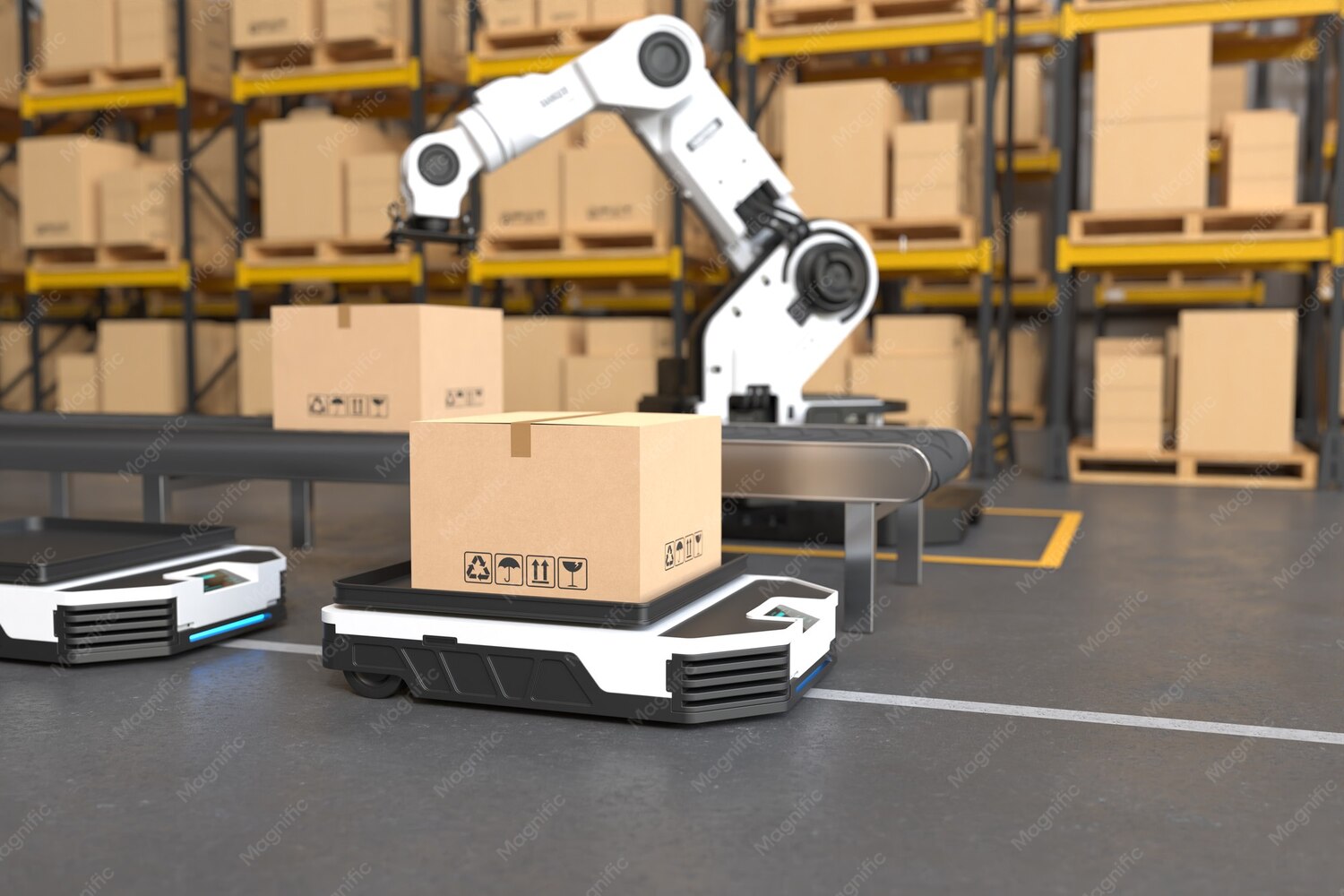
Modern heavy infrastructure projects rely on moving massive volumes of material, equipment, and structural components across vast distances. Traditional logistical approaches often struggle to keep pace with modern project timelines, tight profit margins, and strict site safety standards. Automated technologies are transforming heavy infrastructure logistics by streamlining material movements, improving site safety, and reducing expensive project delays. Below are key automation trends reshaping resource movement and field operations.
Autonomous Material Handling and Fleet Coordination
Self-Driving Heavy Haul Fleets
Autonomous transport units navigate haul roads and access routes using advanced radar, lidar, and real-time positioning systems. These vehicles follow optimal routes without direct human intervention, reducing fuel consumption and minimizing tire wear. Continuous operation without traditional shift breaks allows site managers to maintain consistent material movement cycles throughout the entire day.
Automated Heavy Lifting Operations
Precision lifting systems now utilize intelligent load-balancing software, smart sensors, and automated positioning controls. Integrating automated controls into overhead assemblies and specialized hoisting equipment ensures smooth load movement without sudden sway or displacement. Utilizing a remote-controlled mining crane inside deep excavation sites or processing hubs allows operators to position heavy components accurately while remaining at a safe, climate-controlled distance from hazardous zones.
Intelligent Site Data and Predictive Logistics
Real-Time Asset Tracking and Telematics
Internet-of-Things sensors attached to structural members, machinery, and support equipment feed location data directly into central management platforms. Digital tracking gives dispatchers instant visibility over site inventory, incoming shipments, and field assets. Knowing the exact location of critical components prevents bottlenecks and ensures assembly teams receive required materials right on schedule.
Predictive Maintenance for Critical Machinery
Machine learning algorithms analyze operational data from heavy equipment to predict component failure before mechanical breakdowns occur. Monitoring vibration levels, operating temperatures, and hydraulic fluid conditions identifies early mechanical wear. Fixing minor issues during scheduled maintenance windows prevents sudden, costly breakdowns during critical project phases.
Advanced Field Fabrication and Digital Planning
Integrated Building Information Modeling
Digital site models sync directly with automated logistics software to direct equipment movements based on real-time project progress. Building Information Modeling platforms generate dynamic schedules that adjust delivery sequences when weather or field conditions change. This integration ensures structural components arrive at the working face only when site crews are ready for installation, eliminating cluttered laydown yards.
Robotic In-Situ Assembly and Machining
Field fabrication uses automated welding, cutting, and machining units to repair or construct heavy structural elements directly on site. Mobile robotic cells execute precise cuts and welds without requiring components to return to off-site manufacturing facilities. Automated field fabrication significantly reduces transport delays for massive structural assemblies and keeps heavy infrastructure projects moving forward.
Safety and Environmental Sustainability
Remote Control and Hazard Mitigation
Centralized control centers allow site personnel to oversee multiple automated machines simultaneously from off-site offices. Removing workers from high-risk environments, such as steep embankments, underground tunnels, or unstable ground, drastically lowers workplace injury risks. Operators make precise adjustments using high-definition camera feeds and real-time telemetry while avoiding dangerous site hazards.
Optimized Energy and Fuel Consumption
Automated guidance systems optimize acceleration, braking, and idle times across all site equipment, significantly lowering overall carbon emissions. Smart microgrids adjust power delivery to automated charging hubs based on active fleet demand, ensuring electrical or hybrid fleets charge during off-peak hours. Reduced energy consumption lowers operating expenses while helping projects meet strict environmental standards.
Final Thoughts
Automation is no longer a futuristic concept in heavy infrastructure projects; it is an operational necessity. Embracing autonomous transport fleets, intelligent data tracking, automated lifting tools, and predictive maintenance protocols enables infrastructure developers to complete complex projects safely, efficiently, and within budget.