Biohazard cleanup is a serious task that requires clear steps and strict safety rules. Hazardous waste can contain dangerous germs, bacteria, bloodborne pathogens, and toxic materials. These dangerous substances pose real health risks to anyone in the area.
Standard household sponges and everyday cleaning soaps are never enough for these hazardous jobs. Cleaning up safely requires good preparation, protective gear, and proper waste disposal methods.
Following smart practices protects your personal health. It keeps others safe. It prevents the spread of harmful infections in homes, offices, and workplaces.
Continue reading to discover everything you need to know!
Proper Cleaning Techniques and Hazardous Waste Handling
Cleaning up biohazards involves much more than wiping down top surfaces. Dangerous liquids can soak into wood floors, subfloors, walls, and carpets very quickly. Technicians must clean all areas deep below the surface level to remove every health hazard.
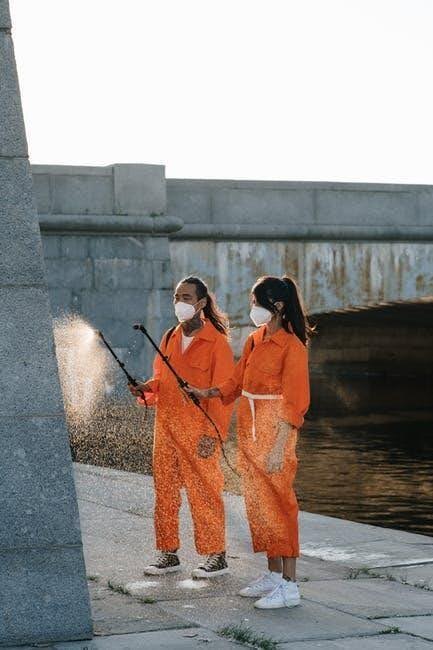
Specialized disinfectant sprays kill germs. They stop bad odors from spreading through the air. Isolate affected rooms with heavy plastic sheets and tape seals, and this step keeps dust and fumes from drifting into clean areas of the building.
When biological waste is tied to severe trauma, spills, or accidents, hiring experts in professional crime scene cleanup is the safest choice. Trained teams have the right equipment and technical training to clean difficult spaces safely. They follow strict standards to remove all health risks completely.
They restore the property to a clean and safe condition.
- Isolate all contaminated target areas.
- Spray medical-grade chemical disinfectants.
- Remove saturated carpet and drywall.
- Place waste in labeled containers.
- Sanitize all reusable cleanup tools.
Waste disposal requires strict steps under local, state, and federal laws. Never toss biohazard waste into common trash cans or public dumpsters. You must put hazardous items into special bags and containers marked with standard biohazard symbols.
Licensed medical removal companies must pick up these boxes for safe high-heat incineration. Proper disposal keeps hazardous waste away from public spaces, rivers, and local water sources.
Essential Protective Gear for Cleanup Safety
Safety always comes first during any biohazard work. Dangerous materials can enter your body through skin, eyes, nose, or mouth. Wearing proper gear keeps you safe from direct contact with hazardous fluids, chemical fumes, and sharp objects.
Full coverage is mandatory before entering any contaminated room, building, or job site. You should wear fluid-proof suits, thick nitrile gloves, respirators, and safety goggles.
Every piece of equipment forms a vital barrier against unseen biological hazards.
- Wear full personal protective gear.
- Always seal yellow biohazard bags.
- Use EPA-registered disinfectant solutions.
- Avoid direct contact with fluids.
- Wash hands thoroughly after work.
Removing your gear safely is just as critical as putting it on. Take off dirty medical gloves, boots, and clothing with care. This prevents you from touching contaminated surfaces.
Put all single-use items straight into marked biohazard bags. Wash reusable equipment with strong disinfectants right away. Clean your hands with soap and warm water as soon as your gear is removed.
Restoring Property Safety and Personal Peace of Mind
Handling dangerous biological spills requires care, patience, and strict safety rules. By wearing good gear, using proper methods, and following waste laws, you can restore any space safely.
Working with skilled experts ensures every room is thoroughly cleaned, sanitized, and deodorized. Taking these smart steps protects your home, safeguards your family, and keeps your entire community healthy.
Looking for more tips and ideas? We’ve got you covered. Check out some of our other posts now.