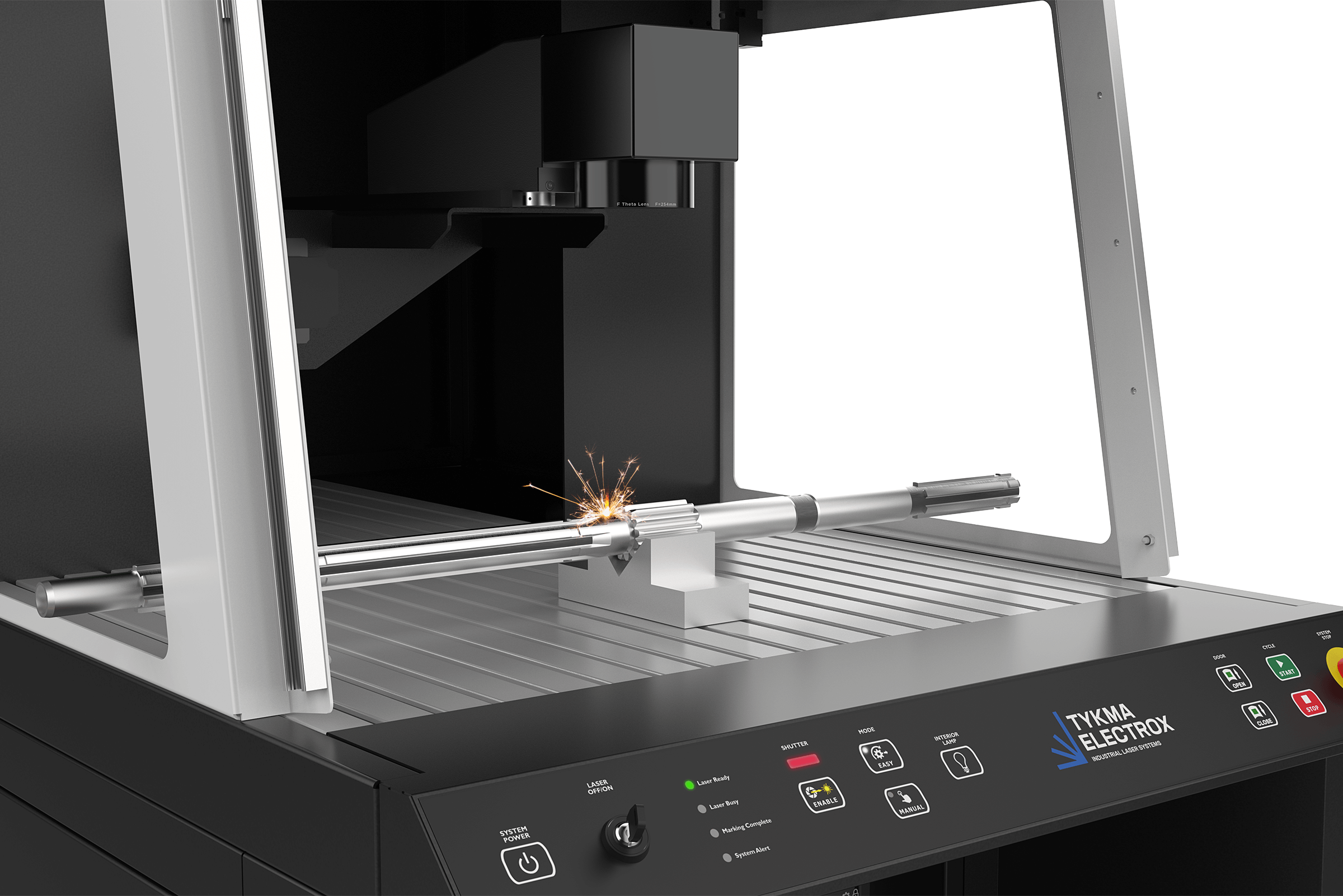
Manufacturers today are completely changing the way products are identified by using laser technology. Precise surface processing is now done by manufacturers using lasers. The terms laser etching, engraving, and marking, however, do not convey the same meaning.
The creation of the marks is different for each process. They are also at the disposal of various materials and manufacturing needs. A recognition of these differences will facilitate businesses to pick the right equipment. This can also avoid needless production expenses.
Laser Marking: What is it?
The laser marking process generates information on the surface. Not all the time is material removed. Rather, it alters the coat’s external look. The laser is able to cause a change in surface reactions and/or color. The changes yield readable text and graphics.
The direct control and identification applications are ideally suited for laser marking. Manufacturers are likely to assign serial numbers and codes to the products.
Other applications include:
- Barcodes and QR codes.
- Company logos
- Batch numbers
- Manufacturing dates
- Product identification codes
Good readability and consistency can be achieved with marking. It can be used in automatic production lines, too.
What is Laser Etching
However, laser etching does not deal with the marking in the same way as traditional marking does. It is a thermal process that removes surface material with the energy of the laser.
The liquid flows and forms a higher level. This leaves a mark of some sort, visible and to the touch. It is advisable to use etching under certain circumstances, such as when manufacturers require legible markings. It will also form aesthetically pleasing decorative designs.
Definition of Laser Engraving.
In Laser engraving, the material is removed from the surface. The physical cavity is simply a depression that is created by the laser. Depends on the material and the laser settings but is typically 0.5 to 1mm. The deeper the engraving, the higher the energy.
Often, engraving will take longer than surface marking. The depth required has a bearing on the speed of production.
The main differences among the three
The primary difference is that of the interaction of the laser with the material. Laser marking affects the appearance of the surface. Etching melts and slightly raises the surface. Engraving is depth-creating and takes away material.
Each idea has a few different pros and cons.
| Process | Main Action | Typical Result |
| Marking | Changes surface appearance | Visible surface mark |
| Etching | Melts surface material | Slightly raised mark |
| Engraving | Removes material | Recessed mark |
When selecting equipment, these should be taken into consideration.
Material Compatibility
One other element which needs to be taken into consideration is material choice. The way that the laser energy is absorbed varies depending on the material in which it is absorbed.
Fiber lasers are well suited to a variety of metals, such as ferrous, non-ferrous, non-conductive, and metals containing stainless steel. Depending upon the type of plastics, different wavelengths may be required for the laser.
A laser marking machine needs to be suitable for the object to be marked. Samples should be tested before large-scale production by manufacturers. However, tests can be used to identify the correct type of laser as well as the settings.
Production Speed
The manufacturing costs may vary depending on the production speed. The surface is often changed in the marking process, making it a quicker process.
An etching will expend more energy than simple marking. When deeper results are desired, engraving will take longer. The use of automation can aid in marking further. Machines can use designs that repeat and set the same settings for each repeat.
Precision and Detail
All three methods can be used to develop detailed designs. However, which is the best method will depend on the application.
Surface marking is suitable for fine text/codes. Clearly revealing decorative patterns can be achieved by etching. Even for complex designs, software control is important.
Opting for the right process
The first thing businesses should do is to determine the core goal that they are looking to achieve. Simple surface marking may be required to identify a product.
Etching may be used for special applications, such as decoration. If parts in this situation are worn, they can be engraved.
When making the decision, take the following factors into account:
- Target material
- Required mark depth
- Expected durability
- Production volume
- Marking speed
- Desired appearance
- Available budget
These considerations can help hone in on appropriate equipment.
The selection of suitable Laser equipment.
The source of the laser needs to be appropriate. Fiber lasers are widely used in many metal processing industries.
CO₂ lasers can be used with different non-metallic materials. The use of UV lasers might be more advantageous with sensitive materials. Additionally, the compatibility of the working area and software must be taken into account.
Industrial Applications
Various industries make use of laser processing. In the automotive industry, it is used for parts identification. Small parts and housings are marked by electronics companies. Permanent identification is used in the medical industry for certain devices.
Another key component requirement for aerospace companies is traceable component markings. For identifying and serial numbers, engraving is used on the tools manufactured by tool companies.
Marking systems can be used in the food and packaging industries as well. The method is dependent upon the packaging material.
Why Choose a Reliable Manufacturer?
The types of equipment to be used impact the yield over the course of production. Consistency/stability can be better without the use of unreliable machines.
Technical support should be assessed before buying a product from the manufacturer. Warranty as well as spares are significant as well. Before making a purchase, businesses should seek out sample tests to check. This will verify if the equipment is up to their specifications.
Businesses taking into consideration the ideal machine can look into HANTENCNC for laser processing solutions.
A good supplier can also guide you in the choice of the optimal laser parameters.
Conclusion
Laser etching, engraving, and marking are for different purposes. Primarily modifies the surface characteristics. In Etching, a very light change in the surface occurs.
Engraving will result in the removal of material and the development of depth. Each method has its own particular benefits in the field of industry.
The companies should take into account such aspects as material, durability, speed, and budget. It is not only possible, but even necessary to test actual products and improve purchasing decisions.
The proper process can enhance product identification and increase the quality of product production. It can transform your tiles into something long-lasting and professional too.