Introduction
When people think about branded fabric bags, they usually focus on design, color, or logo placement. But one of the most important factors is often overlooked: fabric thickness. The weight and structure of the material affect how the bag feels in hand, how long it lasts, and even how professional the brand appears. A thin bag may be fine for short-term use, while a heavier fabric creates a stronger impression of quality.
Why Fabric Weight Matters More Than It Seems
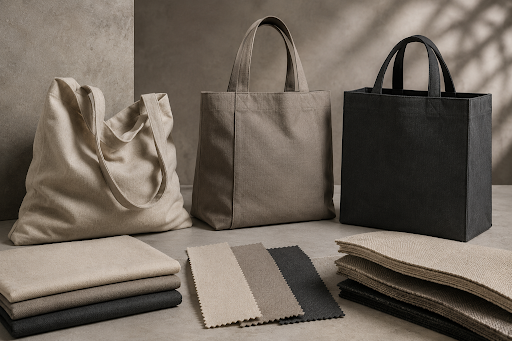
Fabric thickness directly influences durability. A lightweight material might fold easily and feel convenient, but it may not hold heavier items well. On the other hand, thicker fabrics provide structure and stability, making the bag more suitable for repeated use.
In branding, this difference is noticeable. A well-structured bag tends to look more premium, even if the design is simple. Customers often associate sturdier materials with higher brand reliability. That’s why many companies carefully choose Custom Tote Bags based not just on appearance, but also on fabric weight.
Thicker materials also affect printing results. Logos tend to look sharper and more stable on structured surfaces, while very thin fabrics can sometimes make prints appear uneven or less defined.
Matching Fabric Type With Usage Purpose
Not every use case requires heavy material. The key is matching fabric weight with function. For example, event giveaways may only need medium-weight fabric, while retail or daily-use bags benefit from stronger materials.
A few general guidelines often help brands decide:
- Light fabric: suitable for brochures, light items, or short-term events
- Medium fabric: balanced option for retail and promotional use
- Heavy fabric: ideal for long-term reusable shopping or lifestyle use
When brands scale up production, they often switch to Canvas Bag Weight Guide resources to better understand how different fabric weights perform in real-world conditions. This helps avoid underestimating usage demands, especially for customers who reuse bags frequently.
How Thickness Changes Customer Perception
Customers rarely measure fabric weight directly, but they feel it instantly. A thicker bag feels more reliable when lifted. It doesn’t collapse easily when placed on a surface. It holds shape better when filled with items. These small physical cues shape how people perceive the brand behind it.
Even if the design is identical, two bags with different thickness levels can create completely different impressions. One might feel like a disposable giveaway, while the other feels like a reusable everyday product. This is why material selection plays a hidden but powerful role in branding strategy.
Balancing Cost and Quality
Heavier fabrics usually cost more, so brands need to balance budget with purpose. Not every campaign requires premium thickness. However, cutting too much on material can reduce the chance of reuse, which ultimately lowers marketing value.
A practical approach is to reserve thicker materials for long-term or high-visibility campaigns, while using lighter options for short events or mass distribution.
Conclusion
Fabric thickness is more than a technical detail—it shapes how a branded bag feels, performs, and represents the company. Choosing the right weight helps ensure that the bag is not only functional but also aligned with the brand’s image. When material and purpose are matched correctly, even a simple tote bag can communicate quality and reliability without saying a word.