A roof project can look simple from the ground, but the most important choices happen well before materials arrive. Homeowners need to consider the existing structure, long-term maintenance, ventilation, weather exposure, warranties, and the quality of the installation team. Reviewing greenleafroof.com/ can offer a useful starting point when comparing roofing materials and understanding what professional workmanship should involve. The goal is not merely to cover a building. It is to create a complete system that protects everything beneath it.
Start With the Roof You Actually Have
Every successful project begins with an honest assessment of the existing roof.
Age is only one part of the picture. A relatively young roof may still have problems caused by poor installation, storm damage, inadequate ventilation, or unsuitable materials. An older roof may remain functional if it has been installed correctly and maintained carefully.
Homeowners should pay attention to patterns rather than isolated symptoms. Water marks, uneven surfaces, damaged edges, missing shingles, and recurring leaks may point to a larger issue. The attic can also reveal valuable clues, particularly around moisture, airflow, and daylight entering through gaps.
A thorough evaluation helps determine whether a focused repair is reasonable or whether replacement will offer better long-term value. Starting with assumptions can lead to unnecessary work or temporary fixes that fail to address the real problem.
Choose Materials for the Whole Building
Roofing materials should complement the property, but appearance is only one consideration.
Asphalt shingles remain a familiar option because they are available in many styles and can suit a broad range of buildings. Cedar shingles bring natural character and texture, though homeowners should understand their maintenance needs before committing. Rubber membrane systems are often considered for flatter or low-slope areas where water movement requires a different approach.
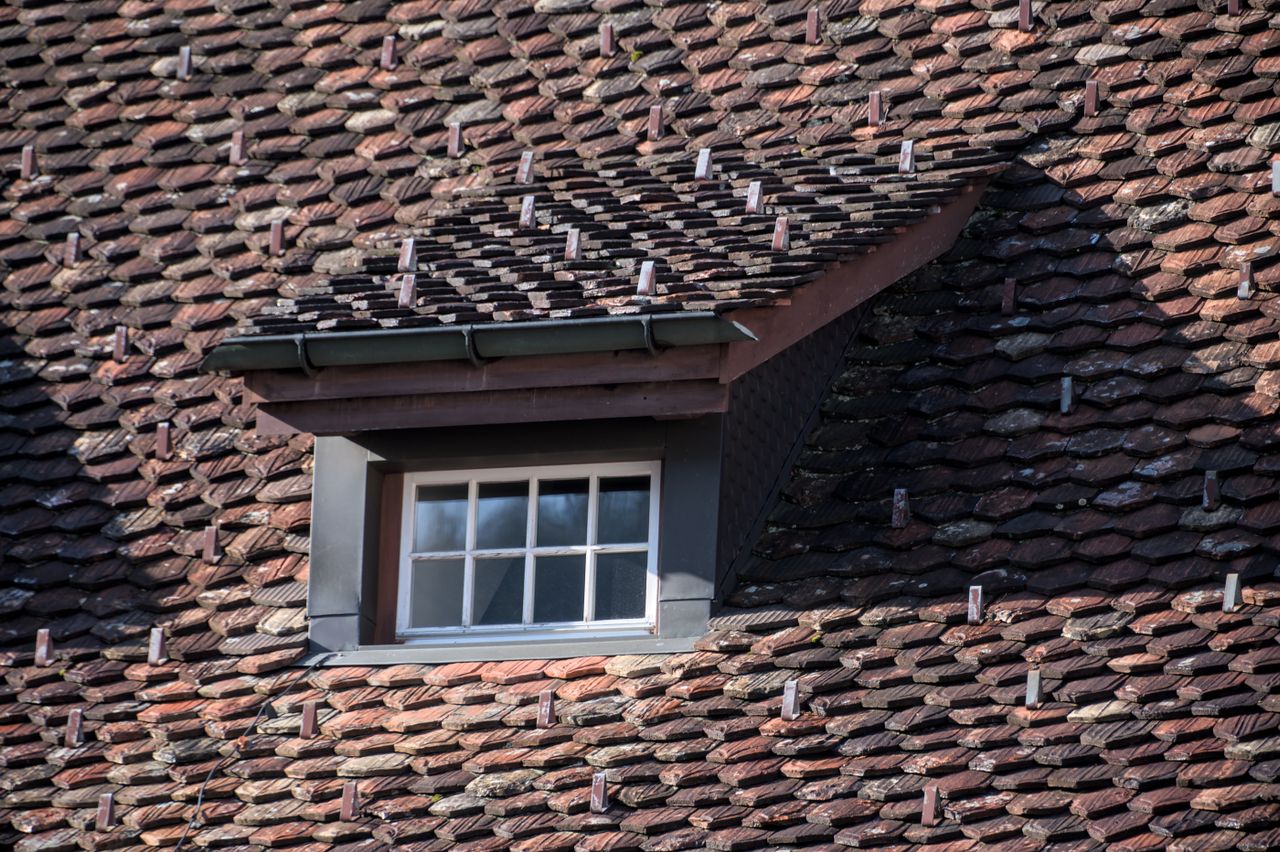
The building’s shape matters too. Roof pitch, valleys, dormers, chimneys, additions, and drainage points can all affect which material performs best. A product that works well on one part of a structure may not be appropriate for another.
The best recommendation should account for the roof’s design, expected exposure, maintenance preferences, and budget. Choosing solely by color or price can leave important performance questions unanswered.
Look Beyond the Total at the Bottom of the Quote
A roofing estimate should help homeowners understand the project, not simply present a final number.
A clear proposal may explain the planned materials, preparation work, removal of old roofing, disposal, flashing, ventilation, underlayment, labor, cleanup, and warranty coverage. When details are missing, comparing two quotes becomes difficult because the contractors may not be offering the same scope.
An unusually low price deserves careful examination. It may reflect a genuine efficiency, but it could also leave out necessary work or rely on a less complete installation process. A higher quote is not automatically better either. The value lies in what is included and how clearly the contractor explains it.
Homeowners should feel comfortable asking questions before signing. A professional contractor should be able to explain why each major step is necessary and how it contributes to the completed roof.
Installation Quality Lives in the Small Details
The materials may receive most of the attention, but their performance depends heavily on installation.
Flashing around chimneys, walls, skylights, and roof transitions helps direct water away from vulnerable areas. Underlayment provides an added layer beneath the visible surface. Drip edges, fasteners, seals, and ventilation components each have a role in protecting the structure.
These details are easy to overlook because many of them are hidden once the job is complete. That makes the contractor’s process especially important. Following manufacturer requirements can support proper performance and help preserve applicable product warranty coverage.
A roof should not be treated as a collection of separate pieces. Each component needs to work with the others. One poorly handled transition can create problems even when the surrounding materials are new.
The Jobsite Reveals the Contractor’s Standards
Roofing work naturally creates noise, debris, and disruption, but the site should still feel controlled.
A professional crew plans how materials will be delivered, where equipment will be placed, and how landscaping, siding, windows, and outdoor belongings will be protected. At the end of the project, old materials and loose debris should not be left scattered around the property.
Cleanup is more than a final courtesy. Nails, sharp fragments, and discarded materials can create risks for residents, visitors, vehicles, and pets. A careful contractor should include cleanup in the working process rather than treating it as an afterthought.
Homeowners can learn a great deal by asking how the crew protects the property and what happens after installation is finished. Pride in the completed roof should extend to the condition of the surrounding site.
Digital Marketing Has Changed How Roofers Earn Trust
For roofing contractors, digital marketing now plays a major role in how potential customers discover and evaluate their services. Property owners often compare websites, project photographs, service explanations, customer feedback, and online listings before making contact. Contractors considering specialist marketing support may explore RoofingROI Labs reviews alongside case studies, lead-quality reporting, and industry experience. Effective marketing should do more than increase website visits. It should connect roofers with people who genuinely need their services and provide enough useful information to encourage a confident inquiry.
Good Communication Prevents Expensive Confusion
A roof replacement involves several moving parts, and silence can make the process feel more stressful than it needs to be.
Homeowners should know when work is expected to begin, how long the project may take, and what could affect the schedule. Weather, hidden damage, material availability, and structural discoveries may require adjustments. Clear communication helps everyone respond without unnecessary frustration.
The contractor should also explain what residents need to do before work starts. Vehicles may need to be moved, fragile items could require protection, and certain areas around the building may need to remain clear.
Communication is equally important when unexpected issues appear. Photographs, plain explanations, and transparent pricing allow homeowners to understand the situation before approving additional work.
A Warranty Needs Context
Warranty language can sound reassuring, but homeowners should understand what is actually covered.
Material warranties generally relate to the roofing products, while workmanship protection addresses installation. These are different forms of coverage and may have separate conditions, time periods, and exclusions.
A contractor should explain how the roof must be installed for manufacturer coverage to remain valid. Homeowners should also keep copies of proposals, invoices, product information, and warranty documents in a safe place.
The value of a workmanship warranty also depends on the reliability of the contractor providing it. Experience, insurance, communication, and a stable operating history all matter when considering long-term protection.
Think Past Installation Day
A new roof should make ownership easier, but it should not disappear completely from the homeowner’s attention.
Periodic visual checks can identify changes before they become serious. Debris may gather in valleys, branches can rub against surfaces, and severe weather may loosen or damage materials. Gutters and drainage paths should remain clear so water can move away from the building properly.
Homeowners should avoid climbing onto the roof without the right experience and equipment. Many concerns can be observed safely from the ground, through upper windows, or from inside the attic. A professional can assess anything that requires closer inspection.
The smartest roofing decisions are rarely the most dramatic. They come from understanding the building, selecting appropriate materials, asking better questions, and hiring a team that treats every hidden detail as seriously as the finished appearance.